Reasons why Visit Queen Elizabeth National Park
Reasons why visit Queen Elizabeth National Park, It is one of the popular tourist destinations for nature lovers and wildlife enthusiasts, known for its unique attractions, natural beauty and diverse wildlife species. It is located in western Uganda in Kasese district, spanning about 1978 square kilometres and surrounded by Rubirizi, Kamwenge, and Rukungiri districts. The park offers unique activities such as game viewing, birdwatching, boat rides, and chimpanzee trekking. This popular destination is home to over 600 bird species, 10 primates, and 95 mammals moths like Heady Maiden and various crater Lakes. Its diverse attractions make it the most visited national park in the country. The park is also known for its rich wildlife, including chimpanzees and primates. The park’s diverse attractions make it an ideal destination for those seeking a unique and memorable experience.
Game viewing
Queen Elizabeth National Park is among Uganda’s top destinations for game drives. Game drives are conducted in distinct places such as Kasenyi Plains, Mweya Peninsula, and Ishasha sector, where tree-climbing lions can be seen.
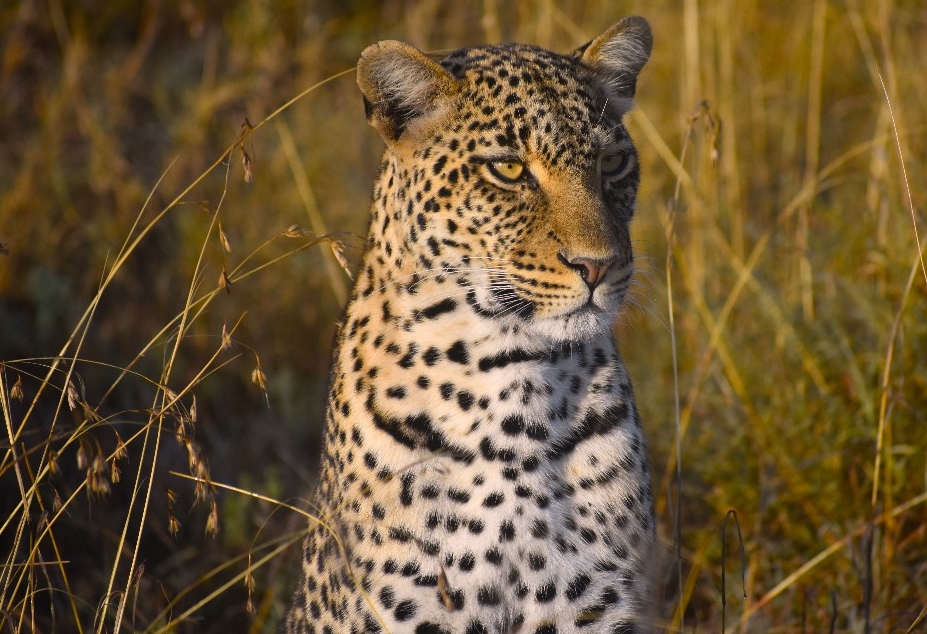
During the game drive activities, visitors travel on several game tracks to various areas, such as water sources of the park, where they can observe various wildlife species, such as mammals like leopards, elephants, sitatungas, bushbucks, giant forest hogs, buffaloes, hyenas, lions, tree-climbing lions, deffassa waterbucks, warthogs, Uganda kobs, primates, and several bird species.
Tree-climbing lions
Travellers should visit Queen Elizabeth National Park and witness the rare spectacle of the tree-climbing lions in the Ishasha area of the park. Other than Queen Elizabeth National Park, these tree-climbing lions are unique, making them hard to find anywhere else in the world. During game drives or lion trekking activities, those who wish to see these lions must travel to Queen Elizabeth National Park to see them lounging on large fig trees in the Ishasha region.
Chimpanzees
Chimpanzees are some of the rare species that can be found in Queen Elizabeth National Park, mainly in Kyambura Gorge and Maramagambo Forest. Visitors who wish to participate in this once-in-a-lifetime experience should go to Queen Elizabeth National Park and spend time with these chimpanzees. A small number of chimpanzees have been tamed for morning and evening tourism activities in the breathtaking Kyambura Gorge, avalley of wonders.
The chimpanzee trekking adventure is led by ranger guides, and it starts with a briefing where trekkers get information about the rules and regulations of the trek. The journey takes visitors deep into the Kyambura Gorge, where they begin searching for potential chimpanzee habitats. There are chances to witness various creatures throughout the search, but as soon as chimpanzees are spotted, visitors are allowed to spend an hour with them, see their daily routines, learn about their habits, and snap pictures, among other things.
Birding- Reasons why Visit Queen Elizabeth National Park
More than 600 bird species may be seen at Queen Elizabeth National Park, which is a reason why visitors, particularly birdwatchers, should come to visit this protected area. Most of the bird species can be spotted during nature walk activities in prominent park areas like Katwe, Kasenyi plains, Mweya Peninsula, Maramagambo Forest, and Lake Kikorongo, making it one of Uganda’s top birding sites.
The following birds can be seen in Queen Elizabeth National Park: African Jacana, Red-chested Flufftail, Spotted thick-knee, Great Spotted Cuckoo, Three-banded Plover, Blue-spotted Wood Dove, Red-billed Teal, Striated Heron, African Cuckoo, African Sacred Ibis, Dusky Long-tailed Cuckoo, Grey-crowned Crane, Common Quail, Denham’s Bustard, Spotted Thick-knee, Dusky Turtle Dove, Black-tailed Godwit, Great Snipe, Gull-billed Tern, Namaqua Dove, Emerald-spotted Wood Dove, European Honey Buzzard, and the Crested Guinea Fowl.
Others include African fish eagle, Vinaceous dove, African fish eagle, northern ground hornbill, African grey hornbill, African wood owl, golden-tailed woodpecker, red-chested owlet, common barn owl, scary-throated honeyguide, cinnamon-chested bee-eater, white-brown coucal, great crested grebe, buff-spotted woodpecker, scarce swift, crowned eagle, lesser spotted eagle, booted eagle, yellow-throated cuckoo, little grebe, northern ground hornbill, and many others.
Boat cruise
Queen Elizabeth National Park is one of the best places that offer fantastic boat cruise safaris. These boat cruise safaris last for about 2-3 hours with morning and evening sessions. They are normally carried out on the magnificent Kazinga Channel that connects the two water bodies of Lake George and Lake Edward.
During the guided boat ride, the Uganda Wildlife Authority (UWA) guides will share their knowledge of the channel, its inhabitants, and the two lakes of Edward and George. Tourists can take advantage of the refreshing breeze and see crocodiles and hippos while on the boat excursion. Along the channel, visitors can observe various water birds and park animals grazing or drinking water.
Nature walks-Reasons why Visit Queen Elizabeth National Park
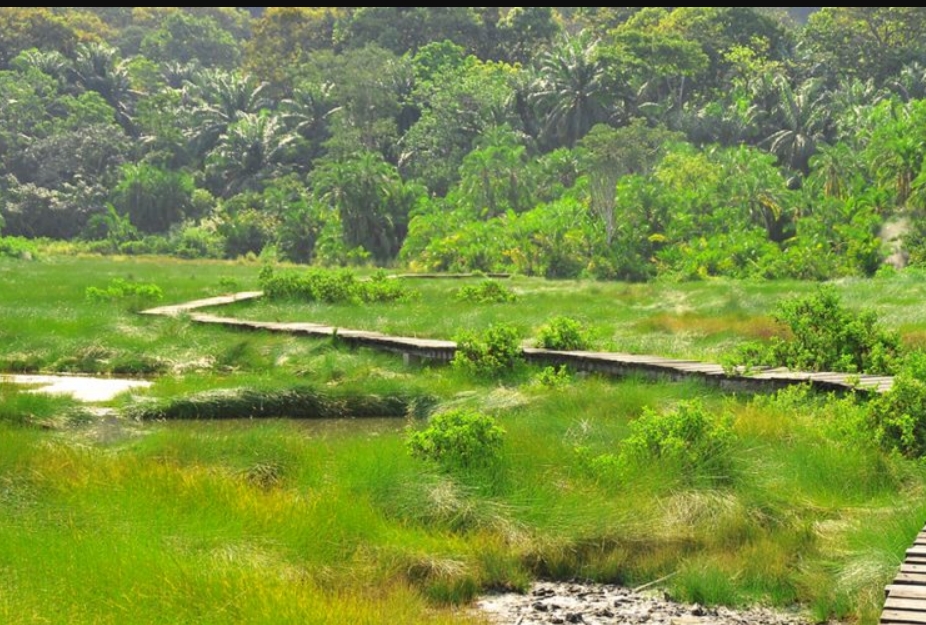
Since nature walks offer excellent chances to explore the outdoors of the park on foot, where they will see several wildlife species, cultural and community experiences, among others, therefore, visitors should get the time and visit Queen Elizabeth National Park. Particularly areas of Ishasha, Kasenyi, Maramagambo Forest, Mweya Peninsula, and explosion craters, among others.
Wildlife species to see during nature walks include leopards, buffaloes, hippos, elephants, lions, olive baboons, duikers, waterbucks, warthogs, giant forest hogs, Uganda kobs, primates and several birds such as the Black-headed Weaver, African Jacana, Palm Nut Vulture, Shoebill Stork, collared pratincole, Swamp flycatcher, grey kestrel and Pied Kingfisher, among others.
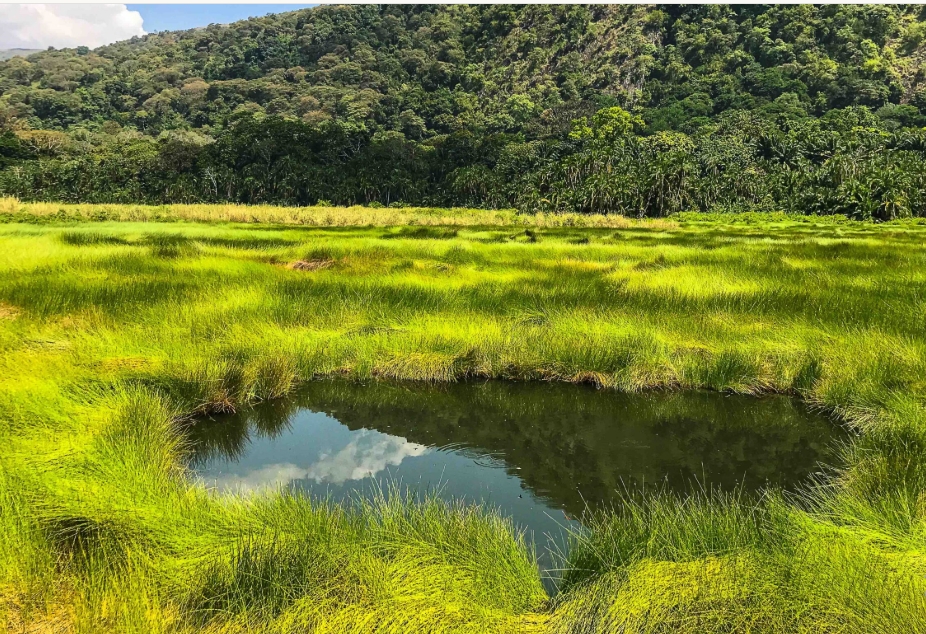
In addition to the park’s wildlife species, visitors can see several plant species, trees, and water bodies such as the Kazinga Channel, Lake Edward, and Lake George during nature walks. Tourists may witness other unique lakes and explosion craters, including Lake Katwe, Lake Bunyonyi, Bunyaruguru crater fields, and Ndali-Kasenda crater fields, among others.
Queen Elizabeth National Park is open all year.
Queen Elizabeth National Park is a must-see for tourists because it offers year-round park activities. There are two distinct seasons in the park: the dry season and the rainy season. However, the dry season is the best time of the year to visit Queen Elizabeth National Park. The park’s roads are accessible, especially during the dry season, when the game tracks seem to be dry, with sparse vegetation and dry trekking trails, making it convenient to spot different wildlife species.
Visitors can also visit the park during the wet season, which is characterised by fewer crowds and accommodation discounts from most of the lodges. This season is always convenient for low-saving travellers whose budget is always tight, with less competition on activities and accommodations. However, this wet season receives heavy rains, which makes the roads impassable due to mud and slippery routes connecting to the park and thick vegetation that affects the visibility of the park’s wildlife species. These months run from March to May and from October to December.
Accessing Queen Elizabeth National Park
Travellers can take either air or vehicle transportation to reach Queen Elizabeth National Park, which is around 400 km from Kampala, in a single day. It takes about seven to eight hours to reach the national park by car from Kampala via Masaka, Mbarara, Bushenyi, and Rubirizi, or from Kampala via Mubende, for the park’s entrance and Kasese.
Accessing the park from Kajjansi or Entebbe International Airport to Mweya Airstrip takes 1:30 minutes. However, it is always advisable to make a prior booking with prominent airline companies like AeroLink Uganda and the Uganda Aviation Authority.