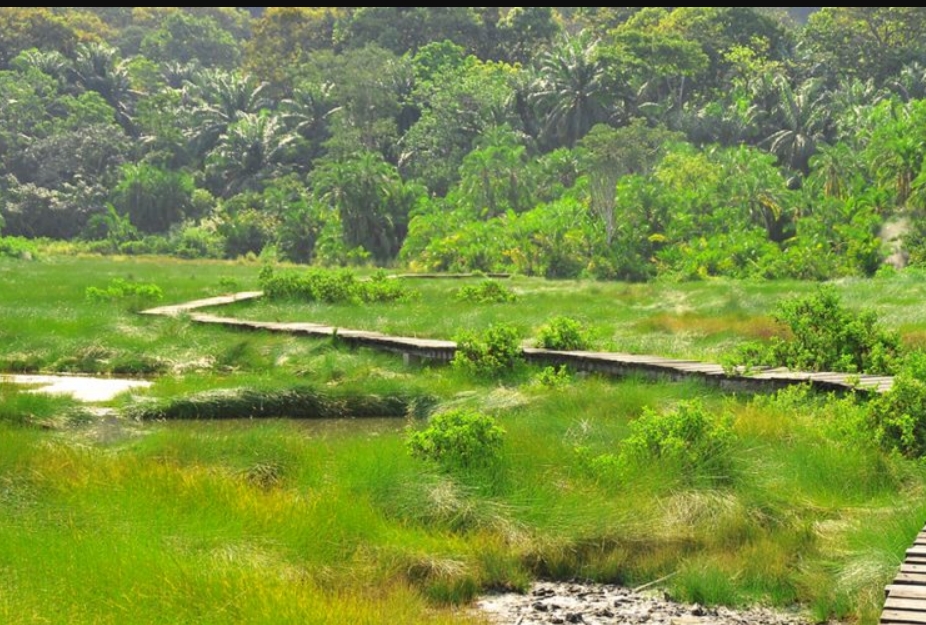
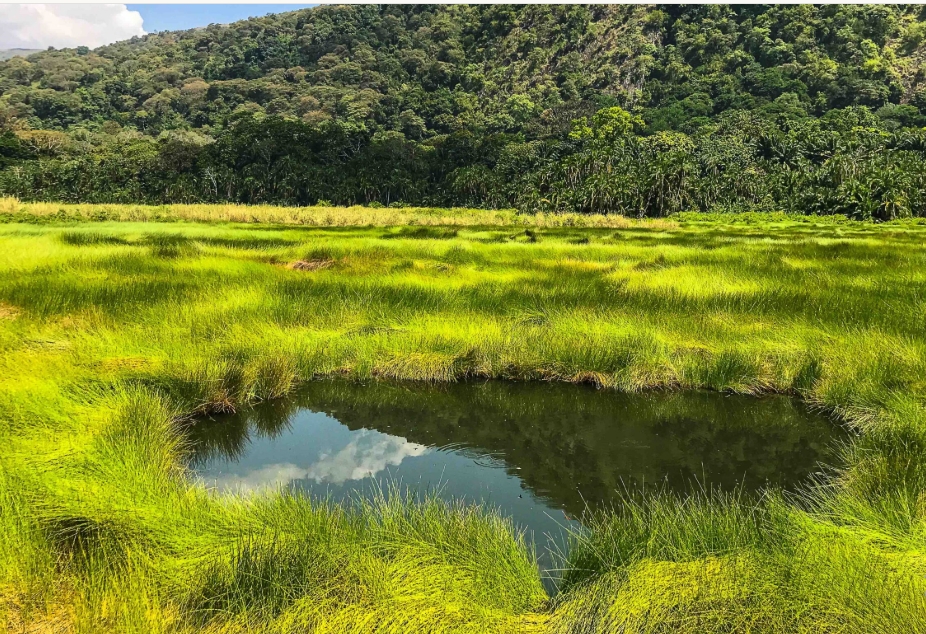
Crater Lakes in Queen Elizabeth National Park.
Crater Lakes in Queen Elizabeth National Park, located in western Uganda, spans the districts of Kasese, Kamwenge, Rubirizi, and Rukungiri. Established in 1952, it is one of the most popular and frequently visited parks in the country, renowned for its stunning crater lakes formed by ancient volcanic activity. The park boasts rich biodiversity, hosting over 610 bird species, 96 mammal species, 60 butterfly species, 10 primate species, and a variety of tree species. One of the park’s most captivating features is the chain of crater lakes, predominantly situated in the northern part of the park near the foothills of the Rwenzori Mountains and the Ndali Kasenda crater region. These lakes not only enhance the dramatic scenery but also provide habitats for diverse wildlife and bird species. Notable crater lakes in the park include Lake Katwe, Ndali Kasenda, Lake Bunyaruguru, and Kyemengo. In addition to exploring the crater lakes, visitors to the park can engage in various activities, such as game drives, boat cruises on the Kazinga Channel, bird watching , nature walks, chimpanzee trekking, and predator tracking, making it a remarkable safari destination.
How Crater Lakes were formed in Queen Elizabeth National Park.
The craters in Queen Elizabeth National Park were formed as a result of violent volcanic explosions that occurred approximately 8,000 to 10,000 years ago. Intense heat built up beneath the Earth’s surface, forcing molten lava out through vents in extinct volcanoes. These explosions created large steam blasts that blew off the tops of the volcanoes, leaving behind vast basins that eventually filled with rainwater, transforming into the picturesque crater lakes we see today. These lakes come in various shapes and sizes and serve as habitats and sources of water for diverse wildlife in the park. A tour around the crater lakes in Queen Elizabeth National Park is an incredible adventure that should be on everyone’s list of activities while visiting the park.
Bunyaruguru craters
The Bunyaruguru craters are a collection of over 20 volcanic crater lakes located south of Lake George in the western part of the park. This region, situated within the Kichwamba escarpment of the Albertine Rift, features both fresh and saline water lakes. The scenic Kichwamba crater fields boast beautiful depressions filled with water and lush vegetation. Notable lakes in the area include the twin lakes of Kyema and Kamweru, as well as Nkugute Crater Lake. Visitors can enjoy breathtaking views, nature walks, bird watching, and photography.
Katwe Crater Lake in Queen Elizabeth National Park.
Katwe Crater Lake is a hyper-saline salt lake located in the northern part of the Mweya Peninsula, formed due to volcanic eruptions within Queen Elizabeth National Park. It sits at a high elevation within the park. The lake is not only an important site for traditional salt mining but also features a scenic 28 km crater drive, offering panoramic views of the surrounding Western Rift Valley, as well as Lake George, Lake Edward, and the Rwenzori Mountains.
Visitors to Lake Katwe can observe various wildlife species, including elephants, warthogs, buffaloes, and Uganda kobs. The drive provides stunning views of the Kazinga Channel, which connects Lakes George and Edward, along with the western rift valley escarpment and the Rwenzori mountains. Moreover, guests can learn about traditional salt extraction methods from local miners and hear their stories. If you are looking for a safari experience that includes community engagement, the crater drive at Queen Elizabeth National Park is a must-visit.
Ndali Kasenda Crater Field in Queen Elizabeth National Park.
The Ndali Kasenda crater field is a stunning area featuring numerous crater lakes located near Kibale National Park and Queen Elizabeth National Park in Uganda. Visitors can embark on guided nature walks to explore this picturesque region, which offers panoramic views of the Rwenzori Mountains, the Rift Valley escarpments, and expansive tea plantations. This unique landscape provides an experience that goes beyond traditional wildlife safaris.