Best Activities to do in Queen Elizabeth National Park
Queen Elizabeth National Park is one of the remarkable tourist destinations with a rich biodiversity, with unique wildlife species and attractions that draw tourists from various parts of the world. This article highlights the best activities to do in Queen Elizabeth National Park during your adventure safari. These activities include game drives, boat cruises, nature walks, and bird watching, among others.
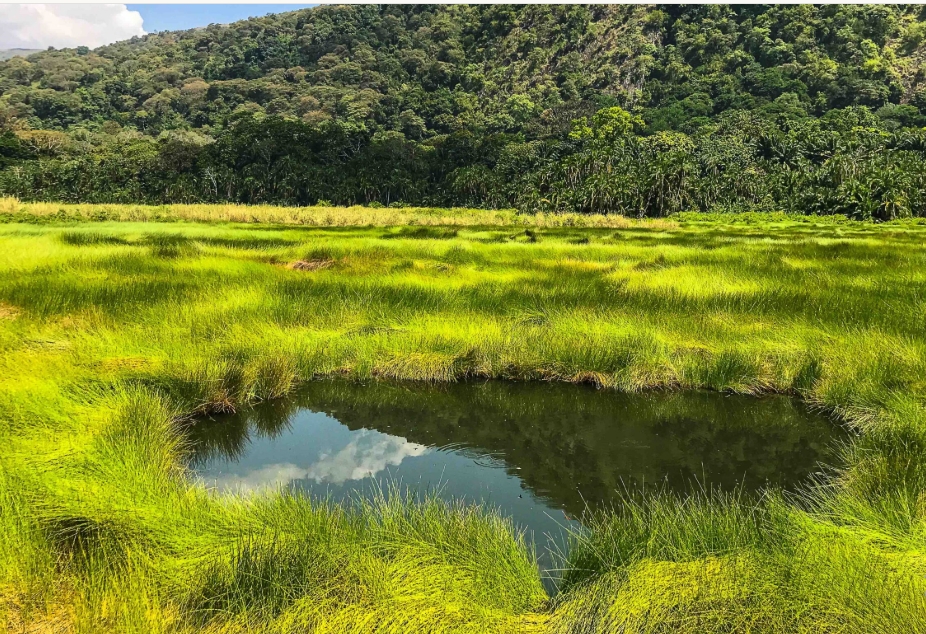
Queen Elizabeth National Park is Uganda’s most visited protected area in the western part of the country, spanning over 1978 square km, and was gazetted in 1952 to protect and restore wildlife species. The park is open all year round for visitors who wish to explore its unique attractions and natural beauty. Among the attractions are 95 mammals, 600 bird species, 10 primates, the Kazinga channel, and several water bodies, such as Lake Edward, Lake George, and crater lakes, among others.
Top activities in Queen Elizabeth National Park.
Game drives
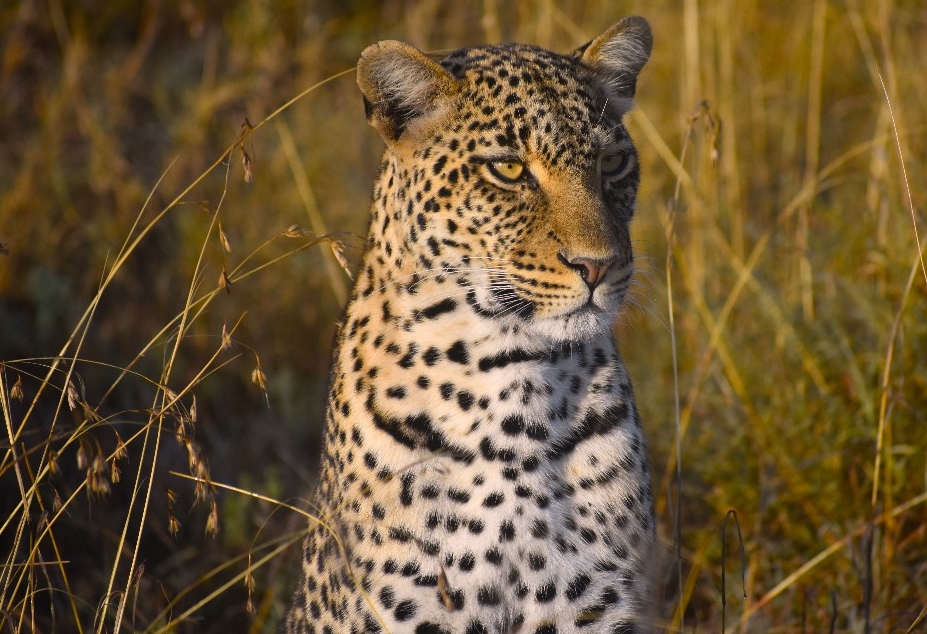
This is the most popular activity in Queen Elizabeth National Park that will expose you to the park’s unique creatures, including over 600 different species of birds, 10 primate species, and 95 mammals that can be seen during game drives. The prime locations for game drives, where visitors can see several wild species, include the Ishasha sector, Kasenyi plains, and Mweya peninsula. Travellers who enjoy seeing nocturnal species and predators, especially during their active hours, should utilise night game drives.
Those who prefer enjoying browsers such as elephants, buffalo, and antelopes, game drives are conducted in the morning and evening hours. Animal species to see include buffalo, topis, spotted hyenas, lions, defassa waterbucks, hippos, leopards, olive baboons, warthogs, Uganda kobs, elephants, side-striped jackals, and primates such as sitatungas, vervet monkeys, black and white colobus monkeys, blue monkeys, and others.
Chimpanzee trekking
Queen Elizabeth National Park is one of the few places in Uganda where chimpanzees can be seen. Some of the park’s chimpanzees are habituated, and they can be found at Kyambura Gorge. The primary activity here is chimpanzee trekking, and visitors are only permitted to spend time with them on condition that they have trekking permits issued by the Uganda Wildlife Authority, the autonomous body that manages and protects Uganda’s wildlife.
Only 8 trekkers go for chimpanzee trekking in Kyambura during morning and evening sessions. After getting briefed on the trekking rules and regulations, armed ranger guides lead the group through the jungle searching for potential primate locations. Upon seeing these chimpanzees, trekkers are allowed to spend an hour with them, observing their daily activities, getting to know their customs, and taking memorable photos.
Boat cruises – Best Activities to do in Queen Elizabeth National Park
The boat tour on Kazinga Channel is one of the most popular and exciting activities in Queen Elizabeth National Park. According to research, the Kazinga channel, which connects Lake George and Lake Edward in Queen Elizabeth National Park, is the largest water channel in the world. During a boat ride, you can spot birds like the African Jacana, African fish eagle, Malachite Kingfisher, Pied kingfisher, shoebill, papyrus gonolek, and Saddle-billed Stork as well as other species like crocodiles and hippos in the water. You can witness many park animals grazing or quenching their thirst by drinking water along the channel shorelines.
Birding
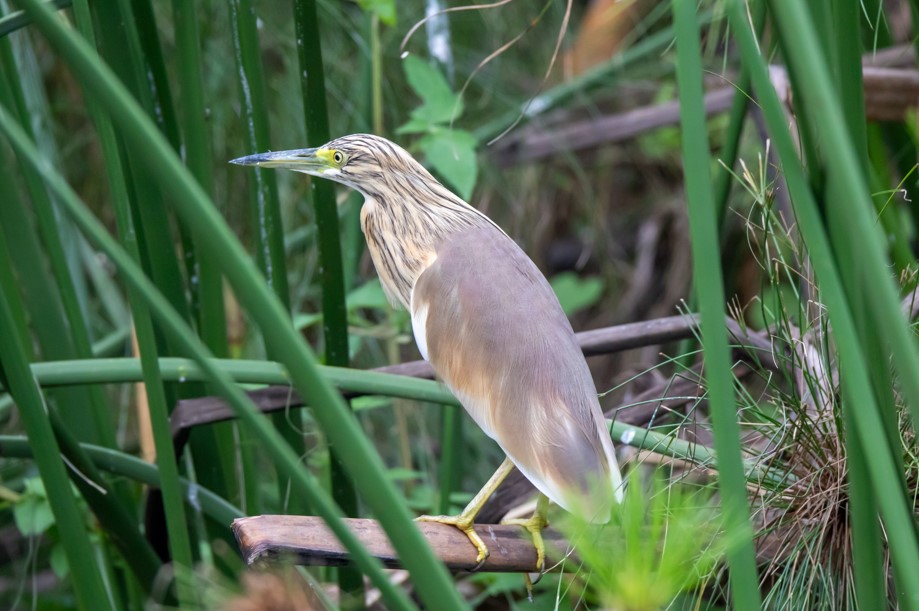
Queen Elizabeth National Park in the western region of Uganda is one of the best destinations for birdwatching. With over 600 bird species found in the park, several places in the park contribute tremendously to their refuge, and these include the Ishasha Sector, Kasenyi plains, Lake Kikorongo, Katwe, Maramagambo Forest, Kasenyi area, the Ishasha sector, Mweya peninsula, and Katunguru Bridge.
Birds to see include Buff-spotted Woodpecker, Shoebill Stork, laughing dove, cassin’s hawk-eagle, lizard buzzard, verreaux’s eagle owl, vinaceous dove, grasshopper buzzard, mountain buzzard, African thrush, African grey hornbill, spotted eagle, grey-cheeked hornbill, white-headed wood hoopoe, Montagu’s harrier, rufous-breasted wryneck, buff-spotted Woodpecker, Piping hornbill, and many others.
Angolan swallow, European bee-eater, Northern House Martin, Grey-throated barbet, long-tailed hornbill, Olive bee-eater, yellow-fronted tinker bird, spot-flanked barbet, double-toothed barbet, yellow-billed barbet, southern carmine bee-eater, black-throated wattled-eye, blackcap puffback, grey-green buck shrike, fawn-breasted waxbill, and Northern fiscal.
African black duck, Purple-banded Sunbird, fulvous whistling duck, rufous-billed heron, red-knobbed coot, red-necked francolin, pin-tailed whydah, Yellow Bill, Fawn-breasted Waxbill, Magpie manikin, White-tailed Ant thrush, lesser striped swallow, olive sunbird, Mosque Swallow, plain green bull, and others.
Community tours – Best Activities to do in Queen Elizabeth National Park
Both people and animals reside in the gazetted Queen Elizabeth National Park, but they were evicted from the park premises and chose to settle in the surrounding areas. If you would like to explore these settlements during a park visit, you should plan a cultural tour that includes stops at several homesteads as you interact with the community members.
During the park community tour, you can visit any of the tribes, such as the Basongora, Bakonjo, Banyaruguru, and others, to engage with the locals and learn about their daily lives. You can also participate in home activities like cooking to sample African cuisine, hear stories from the past, sample local wines, give to the less fortunate, support small businesses, and be entertained.
Nature walks
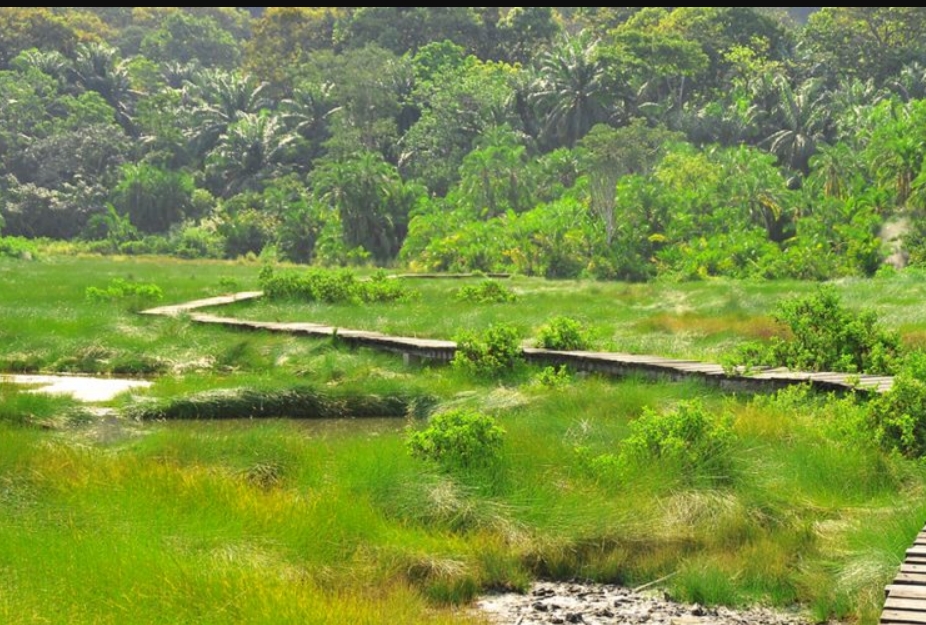
While on a safari at Queen Elizabeth National Park, visitors should not overlook nature walks. During nature walks, armed park ranger guides always escort visitors to various areas of the park on foot throughout the nature walk experience, depending on their interests. Nature walks are conducted in places like Maramagambo Forest, Kasenyi plains, Ishasha, Mweya peninsula, and explosion craters, among others. It is an activity that is done on foot.
During nature walks, visitors can see a variety of vegetation zones with several wildlife species, such as amphibians, reptiles, butterflies, and primates, including blue monkeys, red-tailed monkeys, olive baboons, black and white colobus monkeys, and others. Animal species to see in the vast grasslands include topis, elephants, buffalo, Uganda kobs, sitatungas, waterbucks, and others.
Best time to visit
Although Queen Elizabeth National Park can be visited all year round, some months of the year are better than others. The best time to visit the park is during the dry season, which runs from June to September and December to February. This is because there is little to no rainfall, leaving the game tracks dry, less foliage, easy visibility of wildlife, and other attractions.
Travellers, particularly those on a tight budget who enjoy haggling, might visit Queen Elizabeth National Park during the rainy season when lodge rates are lower. The best experience may not be had during the rainy season, which runs from March to May and October to November; this is because of heavy rains that lead to slick and muddy roads with thick vegetation, making it hard to see the animals.
Accessing Queen Elizabeth National Park
The park can be accessed using either road or air transport. Tourists can travel by car from Kampala/Entebbe to the park via Masaka, Mbarara, Bushenyi, and Kasese, or from Kampala to the park via Mubende, Kyenjonjo, Fort Portal, and Kasese. Travellers using air transportation must book their travel tickets with Bar Aviation Uganda or Aerolink Uganda well in advance. These airlines offer flights to Queen Elizabeth National Park that depart from Entebbe International Airport or Kajjansi Airport and arrive at Mweya Airstrip or Kasese Airport in 1 hour and 15 minutes.