Best Time to Visit Queen Elizabeth National Park
Are you planning a visit to Queen Elizabeth National Park and wondering when the best time to go is? Worry no more; this article will guide you on how to choose the perfect time for your African wildlife safari. Queen Elizabeth National Park is one of the most popular and frequently visited savannah parks in Uganda. It is famous for offering exceptional safari experiences in the wilderness, featuring stunning activities such as breathtaking views of the Kazinga Channel, which connects Lake Edward and Lake George. The park is also known for the famous tree-climbing lions in the Ishasha sector, as well as game drives, chimpanzee trekking, bird watching, and nature walks.
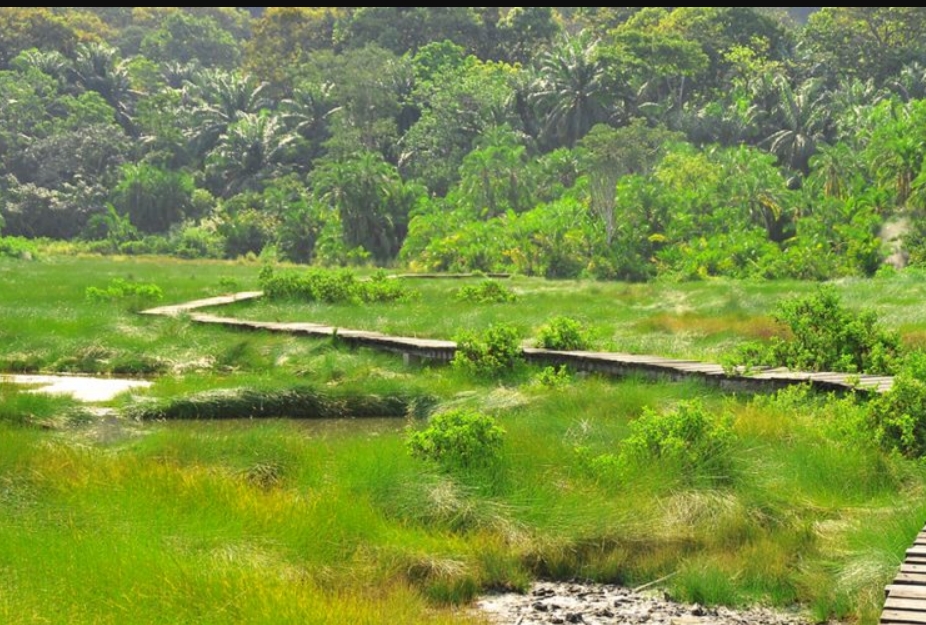
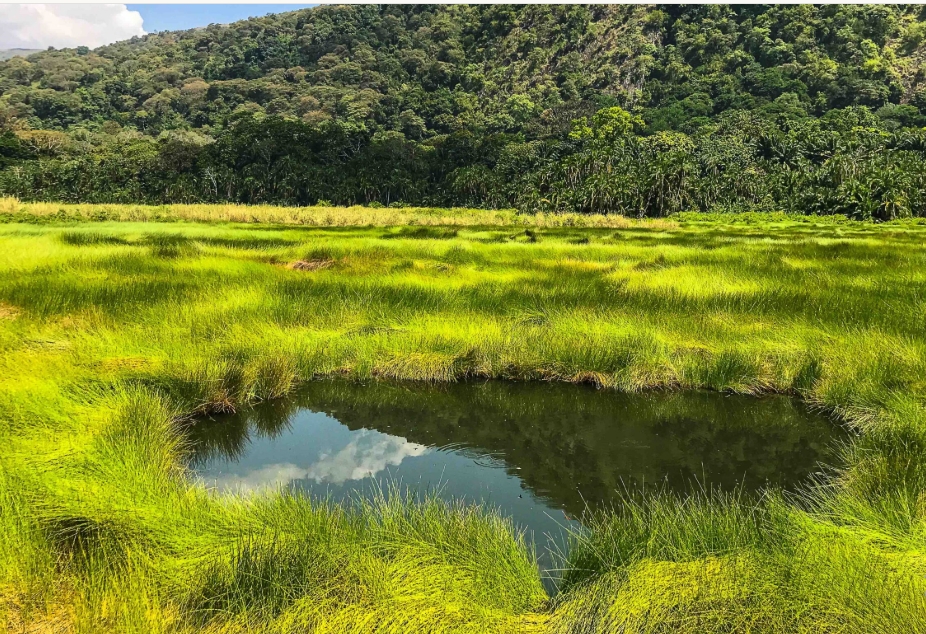
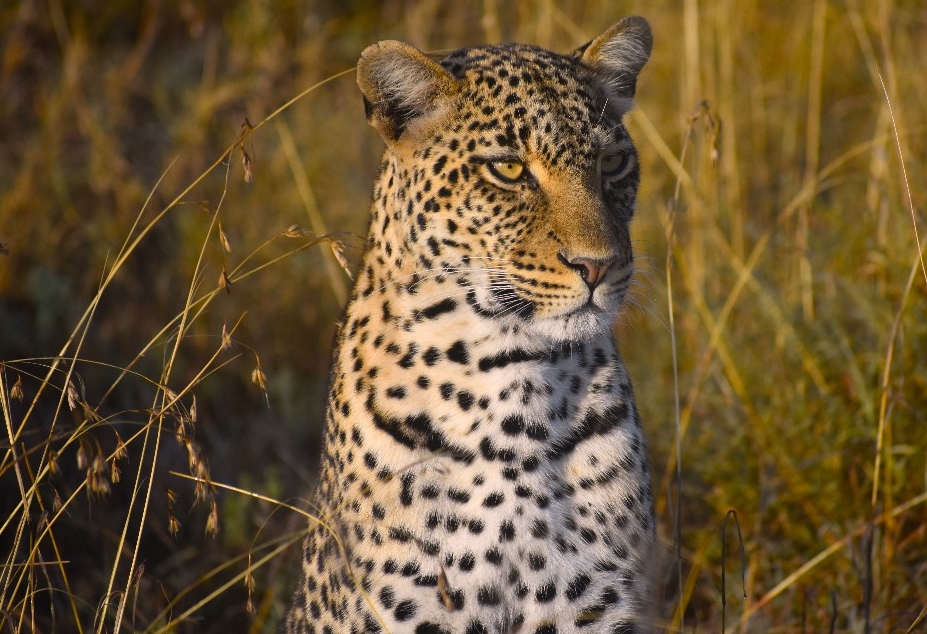
The park’s diverse landscape includes woodlands, wetlands, forests, and grasslands, which support a wide array of wildlife, including the “Big Four” (lions, leopards, buffalo, and elephants), hippos, warthogs, Uganda kobs, tree-climbing lions, and various bird species such as the long-crested eagle, African finfoot, black bee-eater, hooded vulture, and African skimmer. All of this makes selecting the best time to visit Queen Elizabeth National Park essential. The park experiences two wet seasons and two dry seasons. Due to changing weather patterns, the weather can be quite unpredictable, not only in Uganda but throughout the African continent.
Monthly Weather Variations.
Queen Elizabeth National Park experiences several seasons throughout the year. The best time to visit is during the dry months of June, July, August, December, January, February, and September. Although September falls under the wet season, it is still considered a high season month due to minimal or no rainfall. Conversely, the wet months include October, November, April, and May, which are characterized by heavy rainfall and lush green vegetation. These months are regarded as low season months for visitors.
Dry Season- Best Time to Visit Queen Elizabeth National Park
The best time to visit Queen Elizabeth National Park is during the dry season, which is the peak season. This occurs in June, July, and August, making it an excellent time for a safari. Additionally, there is a brief dry season that begins in mid-December and lasts through January and February. February tends to be the hottest month, with temperatures ranging from 30°C during the day to 17°C at night. During this period, there is little to no rainfall, and the vegetation is shorter, providing clear views of animals in their natural habitats. The dry roads make transportation easier, and animals are more likely to visit lakes in search of water, increasing the chances of spotting wildlife.
Wet Season.
In Queen Elizabeth National Park, the peak wet season occurs from March to May, bringing heavy rainfall and lush green vegetation that creates stunning scenery throughout the park. A brief rainy period also takes place from September to mid-December, with some areas experiencing heavy rainfall in October and November. During these wet months, the park has ample water sources, causing some animals to remain in the bush rather than travel to the Kazinga Channel, which connects Lake Edward and Lake George, to drink. This can make spotting wildlife more challenging during this time. However, many travelers still choose to visit the park during these months because tour operators and accommodations often offer discounts.