Facts about Queen Elizabeth National Park.
This article provides Facts about Queen Elizabeth National Park, located in western Uganda, within the districts of Kamwenge, Rubirizi, and Kasese. Covering an area of over 1,979 square kilometers, it is one of Uganda’s oldest national parks, having been gazetted in 1952, and is the second-largest park in the country after Murchison Falls National Park. Initially known as Kazinga National Park, the park’s earliest inhabitants were the Basongora people, who relied on pastoralism. However, they migrated to the Kazinga Channel, a 32 kilometer long waterway connecting Lake George and Lake Edward due to cattle raiding by the Banyoro and Baganda people, as well as smallpox outbreaks in the region. In the Kazinga Channel, they shifted their economic activities to fishing. The park was later renamed Queen Elizabeth National Park in honour of Queen Elizabeth II of Great Britain during her visit in 1954.
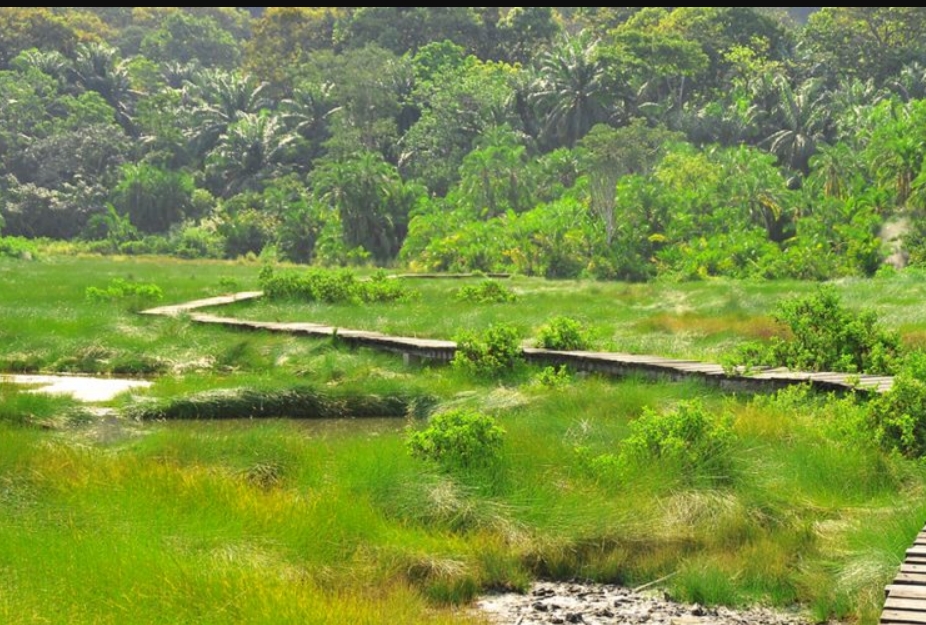
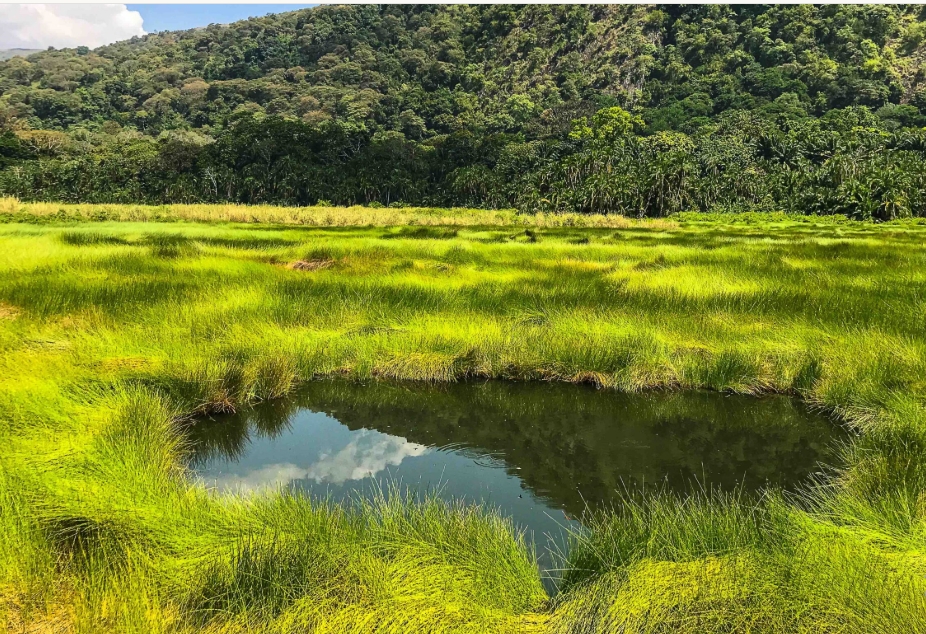
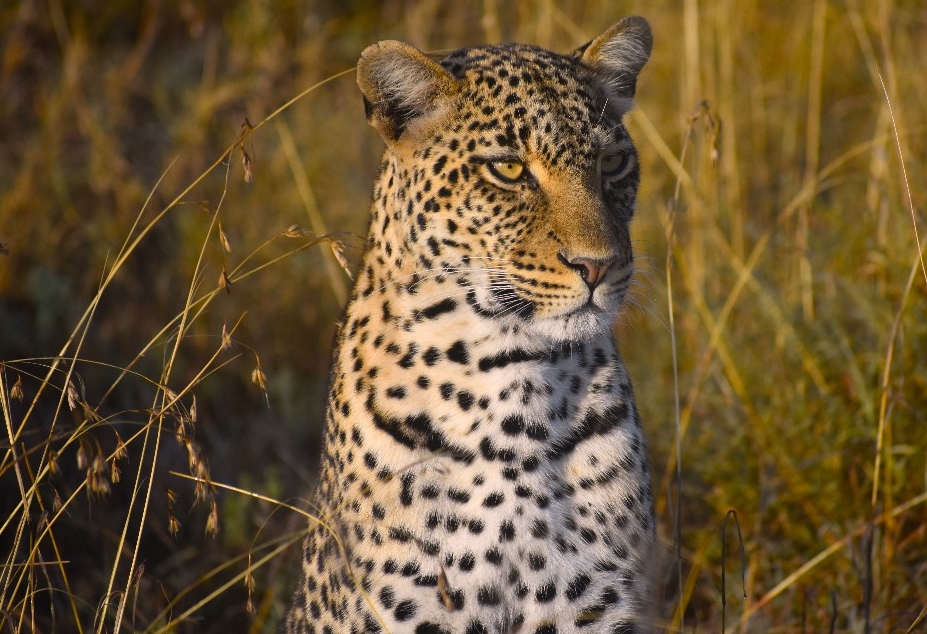
Queen Elizabeth National Park boasts a rich diversity of ecosystems, including woodlands, forests, wetlands, and grasslands, all of which contribute to its biodiversity. The park is home to over 610 bird species, such as the African Crake, Red-chested Sunbird, Pin-tailed Whydah, Lesser Masked Weaver, Swamp Flycatcher, and Pygmy Kingfisher. Additionally, it hosts more than 96 mammal species, including the African Big Four lions, elephants, buffalo, and leopards, as well as waterbucks, Uganda kobs, hyenas, and warthogs. It also features over 60 species of butterflies and 10 species of primates, including chimpanzees, vervet monkeys, and black-and-white colobus monkeys. Queen Elizabeth National Park is particularly famous for its tree-climbing lions, which are found in the Ishasha sector in the southern part of the park.
Things to do in Queen Elizabeth National Park.
Bird watching.
Bird watching is one of the top activities in Queen Elizabeth National Park. This park is a haven for bird lovers, boasting over 610 bird species that call it home, making it one of the best bird watching destinations in Uganda. Birders can explore various birding sites, including Maramagambo Forest, Kasenyi Plains, Kyambura Gorge, Kazinga Channel, and Mweya Peninsula. Notable birds to spot include the Red-chested Sunbird, Pin-tailed Whydah, Blue-napped Mousebird, Lesser Masked Weaver, Swamp Flycatcher, Pygmy Kingfisher, African Morning Dove, and several types of nightjars. Other species of interest are the Black Bee-eater, African Paradise Flycatcher, Hooded Vulture, Grey Kestrel, Helmeted Guineafowl, Long-crested Eagle, Black-bellied Bustard, Ross’s Turaco, Broad-billed Roller, Double-toothed Barbet, Lesser and Greater Flamingos, Avocet, Montagu’s Harrier, Little Stint, Common Greenshank, Southern Red Bishop, African Moustached Warbler, Broad-tailed Warbler, Pallid Harrier, and Curlew Sandpiper, among many others.
Chimpanzee trekking.
Chimpanzee trekking in Queen Elizabeth National Park takes place in Kyambura Gorge, known as the “Valley of Apes.” This activity is the second most popular in Uganda, following gorilla trekking. There are both morning and afternoon trekking sessions, which begin with a briefing on the dos and don’ts of chimpanzee trekking. The trek lasts between 2 to 4 hours, depending on the movement of the playful chimpanzees. Once you locate them, you’ll spend an hour observing their behavior, including how they play, mothers caring for their young, and chimps climbing in the trees.
Game Drives- Facts about Queen Elizabeth National Park.
This is one of the top activities in Queen Elizabeth National Park, which gives an opportunity to explore the park’s rich biodiversity, including various bird species, mammals, and butterflies. Game drives are conducted by an experienced guide who gives an insight into the things you encounter. They take place in several areas, including Kayenyi Plains and Mwenya Peninsula in the northern sector, as well as the Ishasha sector in the southern part of the park. During these drives, you have the opportunity to see tree-climbing lions, along with other wildlife such as lions, leopards, elephants, hyenas, buffaloes, Uganda kobs, warthogs, and a variety of bird species. In the Ishasha sector, you can specifically look for the famous tree-climbing lions, which can often be seen lounging on tree branches. They relax, monitor their territories, and watch for prey, while cubs are sometimes spotted climbing fig trees. This unique sighting is truly an amazing experience.
Boat cruise on Kazinga Channel.
A boat cruise on Kazinga Channel is a relaxing way to explore the park’s beauty while enjoying the delightful songs of various birds. Kazinga Channel is a waterway that connects Lake George and Lake Edward. During the cruise, you will have the opportunity to observe schools of hippos swimming, crocodiles basking in the sunset, and buffaloes, elephants, and kobs drinking or bathing, as the channel serves as a vital water source for these inhabitants. Bird lovers will be thrilled to spot over 50 different bird species along the way.
Lion Tracking.
This is one of the best activities for those who love lions, and it is only available in Queen Elizabeth National Park in Uganda. This guided experience is led by armed rangers and researchers who use GPS equipped radio collars to track the lions. There is a 98% chance of seeing lions during this tracking activity, as the rangers typically focus on the lionesses that stay with the group. Lions often move around to mark their territories, giving you the opportunity to learn more about them and take clear pictures.
Nature walks- Facts about Queen Elizabeth National Park.
Nature walks in Queen Elizabeth National Park offer a wonderful opportunity to experience nature on foot. There are designated trails specifically for nature walks, including the Mweya Peninsula, Kyambura Gorge Trail, Maramagambo Forest, and Ishasha River Trail, each providing a unique experience. During your nature walk, you can spot various animals such as kobs, warthogs, chimpanzees, vervet monkeys, and both black and white monkeys. You’ll also encounter a variety of tree species, butterflies, and birds, including the Red-chested Sunbird, Pin-tailed Whydah, Blue-napped Mouse bird, and Lesser Masked Weaver, among others.
How to Access Queen Elizabeth National Park.
You can access Queen Elizabeth National Park by taking a road trip from Kampala, which is approximately a 5-hour drive using Kampala- Mbarara- Masaka route or Kampala –Fortportal- Kasese route. Along the way, you’ll have several stopovers that will make the trip both interesting and memorable. Alternatively, you can fly domestically from either Entebbe International Airport or Kajjansi Airstrip to Mwaye Airstrip or Kasese Airstrip. The flight takes about 1 hour and 30 minutes, making it the fastest way to reach the park for those who prefer not to sit for long hours.