Leopard Tracking In Queen Elizabeth National Park.
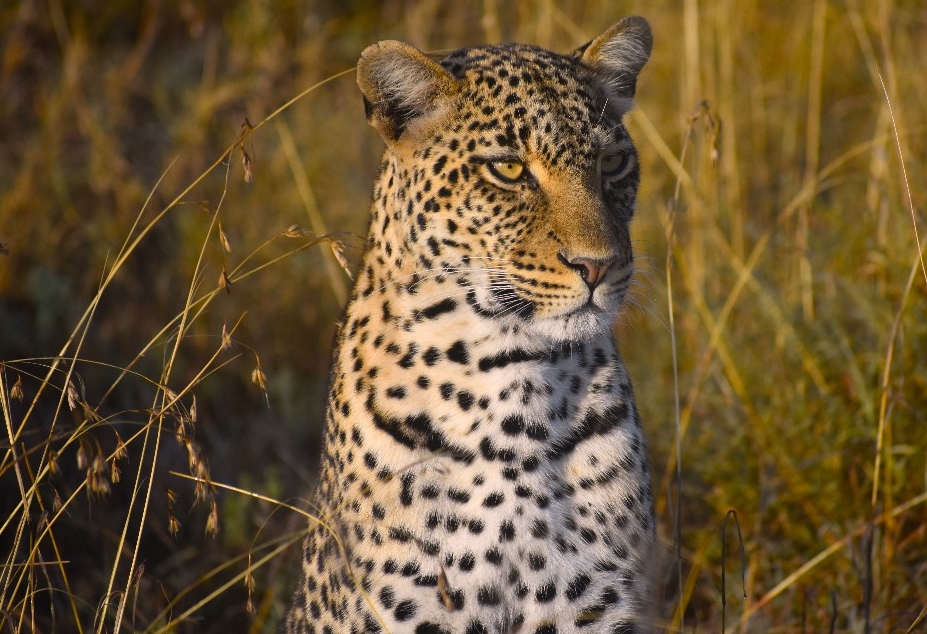
Leopard tracking in Queen Elizabeth National Park, located in southwestern Uganda, is a unique experience. The park covers an area of 1,978 square kilometers and is the most visited national park in the country. It is home to four of the Big Five: lions, elephants, buffalo, and leopards. Queen Elizabeth National Park is the only park in Uganda that offers experiential leopard tracking, conducted by the Uganda Carnivore Program, which aims to protect carnivorous animals in the park. It is quite rare to spot leopards during regular game drives, so if you happen to see one, consider yourself lucky. Leopards are nocturnal hunters that rest and conserve energy during the day, often hiding in dense vegetation, caves, or perched in trees. The leopards in Queen Elizabeth National Park are radio-collared with GPS for research and protection purposes.
Leopards are generally timid animals and are not aggressive towards humans. Tracking leopards can sometimes be challenging, depending on the season and the time of day. In Queen Elizabeth National Park, leopard tracking incurs a fee of $210 for foreign non-residents, $160 for foreign residents, and 200,000 UGX for members of the East African Community. A portion of the fees collected is given to the Uganda Carnivore Program, which supports research, protection, and community education efforts around the park. Tracking is conducted by armed rangers and trackers from the Uganda Carnivore Program, who utilise the GPS in the radio collars worn by the leopards.
Leopard Tracking Experience In Queen Elizabeth National Park
Tracking these magnificent cats as they roam freely in their natural habitats is an incredible experience. This unique opportunity is a must when planning your African safari. In Queen Elizabeth National Park, leopard tracking can take place in both the morning and evening. However, the morning hours are the best for tracking leopards as they return from their night hunts and seek shelter to rest. This activity is conducted as a game drive, where tourists are guided to the prime locations by trained trackers and game rangers who lead the group.
It’s a must to see leopards during leopard tracking because the trackers use radio collars equipped with GPS, which are placed on one of the group members. This helps them locate the leopards. Unlike a typical game drive, where vehicles are not allowed to go off road in the park, leopard tracking allows vehicles to go off-road, providing a clearer view of the leopards.
Once the trackers pinpoint a clear view of the leopards, they turn off the car engines, allowing you the opportunity to observe these magnificent cats close up in their natural habitat. You will see how they live, watching mothers care for their cubs, climb trees with their prey to protect it from other animals, and mark their territories, among other behaviors. You’ll have the chance to take pictures when the view is clear, and the trackers will provide you with more information about the leopards. Leopard tracking in Uganda Queen Elizabeth National Park is a must for cat lovers.
The Best Time To Do Leopard Tracking.
Leopard tracking in Queen Elizabeth National Park can be done year-round, but the best times to visit are during the dry seasons, which are from December to February and from June to September. During these months, there is little to no rainfall, the trails remain dry, and the grass is short, making it easier to spot leopards.
While leopard tracking is also possible during the wet season, which lasts from March to May and from October to November, heavy rainfall during these months can make accessibility to the park challenging. The trails may become wet and muddy, and the grass tends to be taller, which makes spotting leopards more difficult. However, traveling during the wet season can be advantageous for budget travelers, as many tour companies and accommodations offer discounts to clients.
Where to Stay on Safari in Queen Elizabeth National Park.
Queen Elizabeth National Park offers comfortable accommodations for your stay during Leopard tracking safari, with options ranging from budget to luxury. For budget-friendly options, you can consider staying at Pumba Lodge or Bush Lodge. If you’re looking for something a bit more upscale, Twin Lakes Safari Lodge, Parkview Safari Lodge, and Elephant Hab are excellent choices. For those seeking a truly luxurious experience, options like Kyambura Gorge Lodge, Elephant Plains, and Ishasha Wilderness Camp are available, among others.