Travel Guide to Gorilla Trekking Experience in Rwanda.
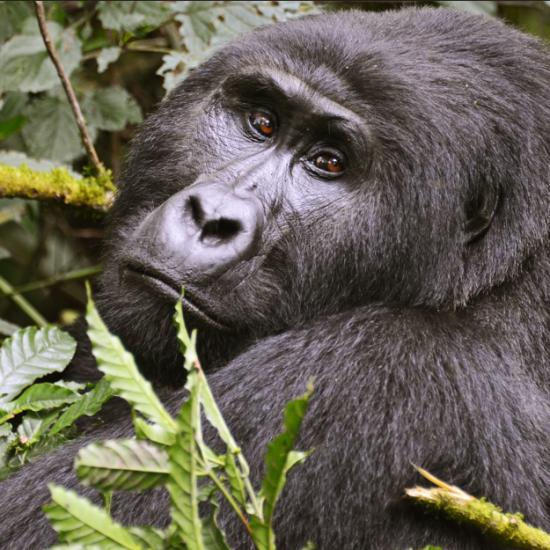
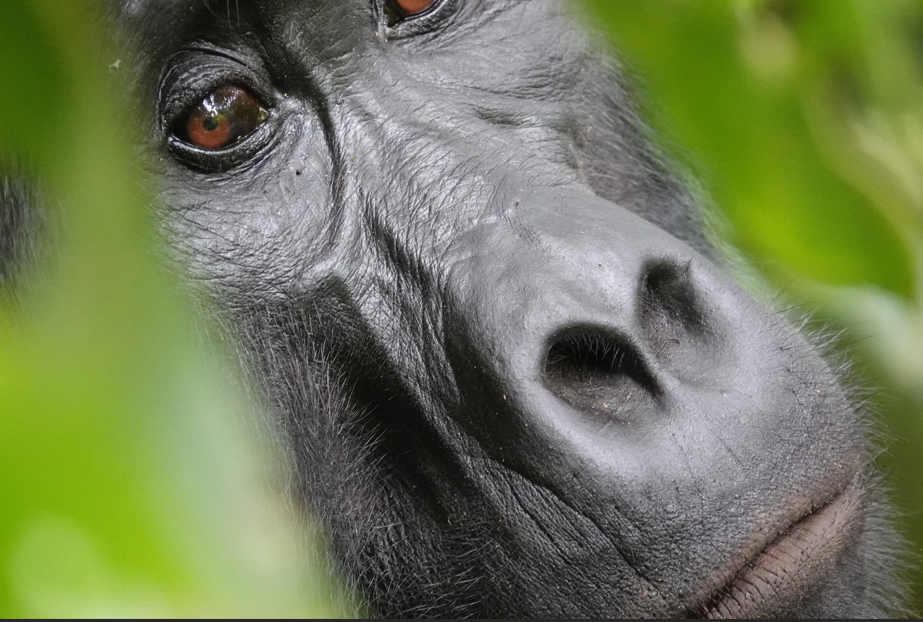
Are you preparing your dream safari in Rwanda and looking for a travel guide for a gorilla trekking experience in Rwanda? This article will guide you on what to expect on your safari. Gorilla trekking in Rwanda is done in Volcanoes National Park, which is one of the four destinations in the world hosting the endangered mountain gorillas. It’s situated in the northwestern part of Rwanda, and it’s one of the smallest parks in the country, covering an area of about 160 square kilometers. It’s part of the Virunga Conservation Area aimed at protecting the endangered mountain gorillas and golden monkeys. Virunga National Park has a mix of ecosystems such as bamboo forests, montane forests, grasslands and wetlands that provide habitats to various mountain gorillas. It’s home to over 30% of the world’s total population of mountain gorillas, making it one of the best destinations for gorilla safaris with a 99% chance of encountering these awesome creatures in their natural habitats. The park has over 14 habituated gorilla families, which are acclimated to human presence. If you are planning to visit these amazing creatures, Rwanda must be included on your bucket list, as it promises exceptional experiences.
Gorilla Trekking Experience in Volcanoes National Park
Travel Guide to Gorilla Trekking Experience in Rwanda: Gorilla trekking in Rwanda’s Volcanoes National Park is a thrilling adventure that allows travellers to see the endangered mountain gorillas close up in their natural habitats. This guided activity is led by an experienced park guide who gives more insights about the park’s inhabitants encountered. Trekking starts early in the morning with a briefing about the rules and regulations of the activity. Later, participants are divided into groups of 8, and each group is assigned to a gorilla family and a park ranger. After participants head into the forest, hiking through the steep slopes in search of the endangered mountain gorillas. The trek takes about 2 to 7 hours, depending on the location of the gorillas and the fitness of the participants. Once located, they are given one hour to observe their behaviour. They will see them feed, groom, play and interact, which is a magical moment. Photographers will take as many videos as they wish.
What is the Cost of a Gorilla Trekking Permit in Rwanda.
A gorilla permit is an official document that allows primatologists and nature lovers to have a close encounter with the endangered mountain gorillas in their natural habitats. A gorilla trekking permit costs $1500 for foreign non-residents, $500 for Foreign residents, $500 for the rest of Africa and $200 for East African residents. Travellers can obtain the permits directly from the Rwanda Development Board, or they can contact a licensed travel company like Caracal Explorers to purchase the permits for them. Gorilla permits are few, and they are subject to availability on a first come first serve basis. Visitors are highly advised to book their permits at least 3 to six months in advance to avoid disappointment.
Things to Pack for a Gorilla Safari.
Travel Guide to Gorilla Trekking Experience in Rwanda: Nature lovers visiting the park should pack essential items, which will allow them to have a memorable gorilla trekking safari. They should consider packing long-sleeved clothes, a face mask, a brimmed hat, sunglasses, trekking poles, insect repellents, sunscreen, a camera with extra batteries, comfortable waterproof hiking shoes, long cotton socks, a pair of gaiters, a pair of binoculars, a waterproof rain jacket, a waterproof backpack, energy snacks and a drinking water bottle.
When to see Mountain Gorillas in Rwanda.
Rwanda’s Volcanoes National Park is open year round, and the best time to trek gorillas is determined by an individual’s interests. The park receives two seasons, the dry season and the wet season, both of which provide exceptional experiences. The dry season is from December to February and from June to September. The season is characterised by little to no rainfall; the park is dry, and the vegetation cover is short, which makes it easier to hike through the steep slopes in search of the endangered mountain gorillas. The wet season is from March to May and October to November, which is characterised by enough rainfall. The park is muddy during this period, which makes it challenging to search for the endangered mountain gorillas.