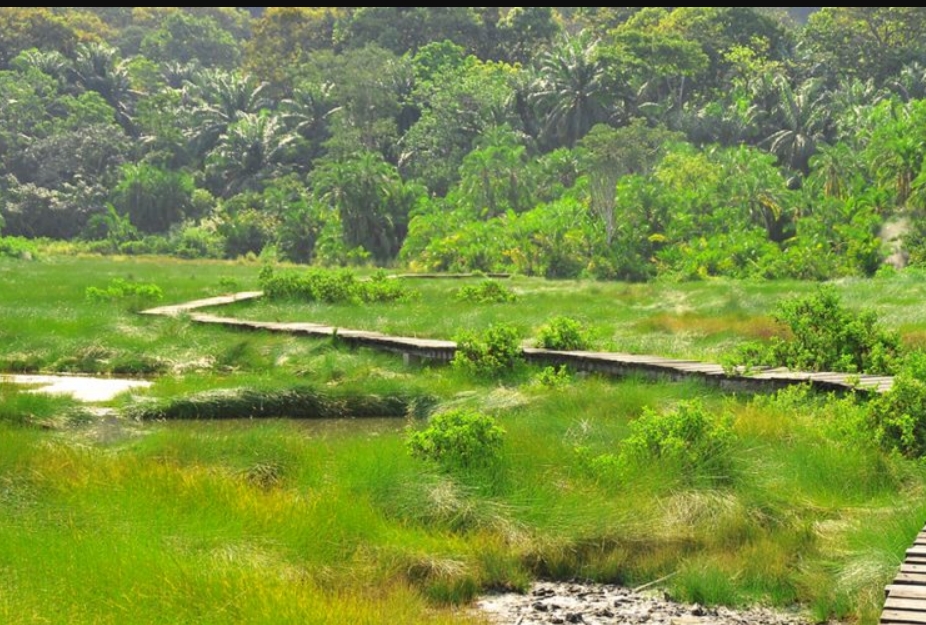
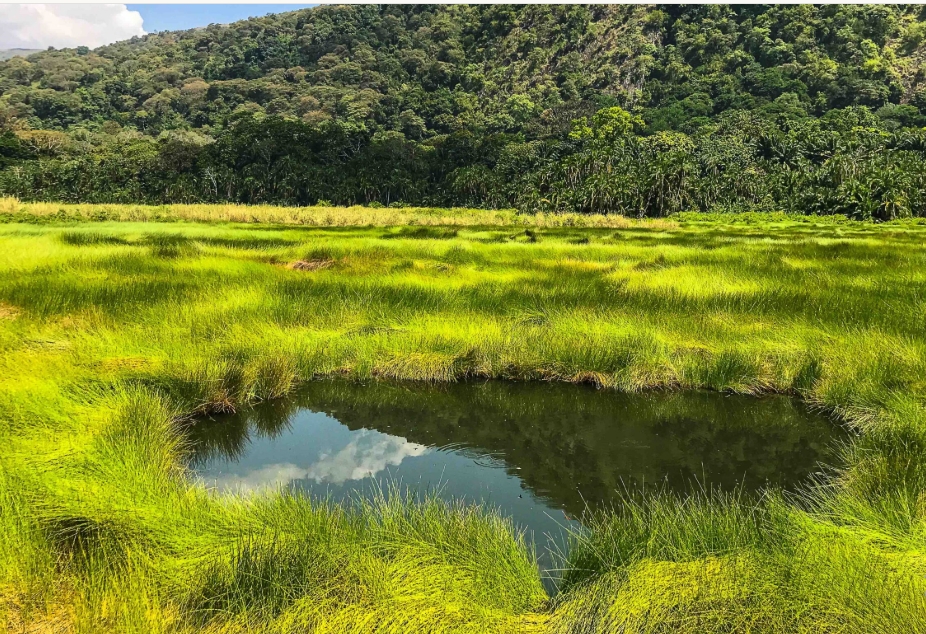
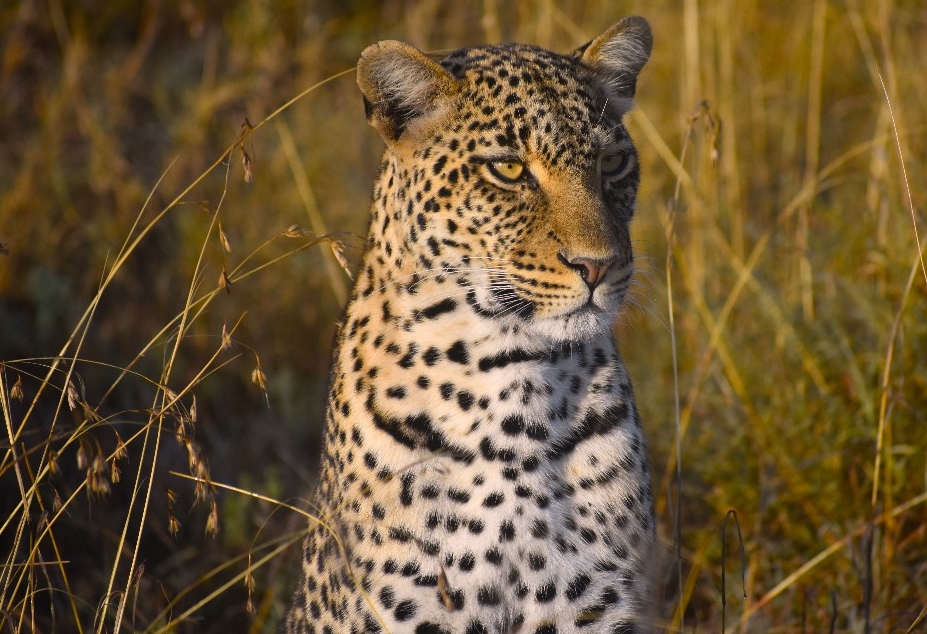
Wildlife in Queen Elizabeth National Park.
Wildlife in Queen Elizabeth National Park which is known for its diverse ecosystems, which include wetlands, woodlands, forests, and grasslands that support a rich biodiversity. The park is home to a variety of wildlife species, such as mammals, birds, butterflies, reptiles, and primates, making it one of the most beloved national parks in Uganda. Established in 1952, Queen Elizabeth National Park is the second-largest national park in Uganda, covering over 1,979 square kilometers, following Murchison Falls National Park. The park boasts more than 610 bird species, 10 primate species, 97 mammal species, and 300 butterfly species, enhancing its natural beauty.
Primates: Queen Elizabeth National Park is home to over 10 species of primates, which can be found in areas such as Mwenya, Kyambura Gorge, Kasenyi, and Maramagambo Forest. The primates in the park include olive baboons, chimpanzees, red-tailed monkeys, vervet monkeys, black-and-white colobus monkeys, blue monkeys, Dent’s monkeys, bush babies, mona monkeys, and L’Hoest’s monkeys.
Visitors can observe these primates while on a game drive or during nature walks in Maramagambo Forest, Kyambura Gorge, or Mweya Peninsula. You can also partake in chimpanzee trekking in Kyambura Gorge, where you will have the opportunity to get close to these playful chimps and learn more about their behaviors. This trek will also allow you to see other primates that inhabit the valley, creating a truly memorable experience.
Mammals: Queen Elizabeth National Park is home to a diverse range of wildlife, with over 97 mammal species inhabiting the area. Various spots in the park, such as the Kasenyi Plains, Mweya Peninsula, and the famous Ishasha sector, known for its tree-climbing lions which offer great opportunities for viewing these mammals.
The park is particularly renowned for the Big Four: leopards, lions, buffaloes, and elephants. Other mammal species you may encounter include hippos, waterbucks, hyenas, warthogs, giant forest hogs, bushbucks, topis, sitatungas, side-striped jackals, serval cats, African civets, genets, aardvarks, bushbabies, cane rats, African otters, and banded mongooses, among others. Visitors to Queen Elizabeth National Park can observe these mammals through guided nature walks, guided game drives, or boat cruises along the Kazinga Channel.
Bird species: Queen Elizabeth National Park is home to over 610 bird species, making it a paradise for bird watchers and one of the best bird watching sites in Uganda. Various areas within the park, such as Maramagambo Forest, Lake Katwe, Ishasha, Kasenyi Plains, and Mweya Peninsula, are prime spots for observing these diverse bird species.
Some of the notable birds found in Queen Elizabeth National Park include the Hooded Vulture, Palm-nut Vulture, Brown Snake Eagle, African Crake, and Black-headed Gonolek. Other species include the Papyrus Gonolek, Great Swamp Warbler, Pink-backed Pelican, Malachite Kingfisher, Carruther’s Cisticola, Pied Kingfisher, Yellow Wagtail, White-winged Warbler, African Jacana, Common Squacco Heron, Saddle-billed Stork, Sacred Ibis, Shoebill, Croaking Cisticola, Lesser and Greater Flamingos, Avocet, Montagu’s Harrier, Little Stint, Common Greenshank, Southern Red Bishop, African Moustached Warbler, Broad-tailed Warbler, Pallid Harrier, Curlew Sandpiper, Gull-billed Tern, and Eurasian Marsh Harrier.
Additional species include the Grey Kestrel, Helmeted Guineafowl, Long-crested Eagle, Black-bellied Bustard, Ross’s Turaco, Broad-billed Roller, Double-toothed Barbet, Striped Kingfisher, Greater Honeyguide, and Lappet-faced Vulture, among more. Visitors to the park can expect to see these birds in their natural habitats, contributing to a rich and diverse avian experience.
Ways to See Wildlife Species in Queen Elizabeth National Park.
Nature Walk: One of the best ways to observe wildlife in Queen Elizabeth National Park on foot is through a guided nature walk. These walks are led by knowledgeable ranger guides who provide valuable insights about the species you will encounter. The park features specific trails designed for nature walks, including the Ishasha Trail, Kyambura Gorge, Kasenyi Plains, and Maramagambo Forest.
Game Drive: Experience an unforgettable safari in Queen Elizabeth National Park through a game drive. The park offers morning, evening, and night game drives, each providing a unique opportunity to appreciate the stunning scenery and diverse wildlife. During your drive, you may encounter various species, including leopards, elephants, hippos, waterbucks, warthogs, lions, buffaloes, and Uganda kobs, among others. Each drive promises an amazing adventure and a chance to immerse yourself in the beauty of the park.
Bird Watching: For bird enthusiasts, Queen Elizabeth National Park offers one of the best opportunities to observe a diverse range of wildlife species. The park is a true haven for bird watchers, featuring various species, including both aquatic and forest birds. During a bird-watching safari, you may have the chance to see interesting birds such as the African Crake and the Black-headed Gonolek. Other notable species include the Papyrus Gonolek and the Great Swamp Warbler, among others.
Best Time to Visit the Park.
The best time to observe wildlife in Queen Elizabeth National Park is during the dry seasons, which run from June to September and from December to February. During these months, there is little to no rainfall. The trails remain dry and accessible, and the shorter vegetation provides a clearer view of the wildlife in the park.