Lion Tracking Experience in Queen Elizabeth National Park
Lion tracking experience in Uganda offers a chance for predator lovers to visit Queen Elizabeth National Park, one of the top intriguing spots for an African Safari. Established in 1952, the park features beautiful landscapes like savanna grasslands and the Rwenzori mountains. Queen Elizabeth National Park hosts about 95 mammals, 600 birds and several plants species. Some of the mammals include lions, buffalos, elephants, hippos, Uganda kobs, among others.
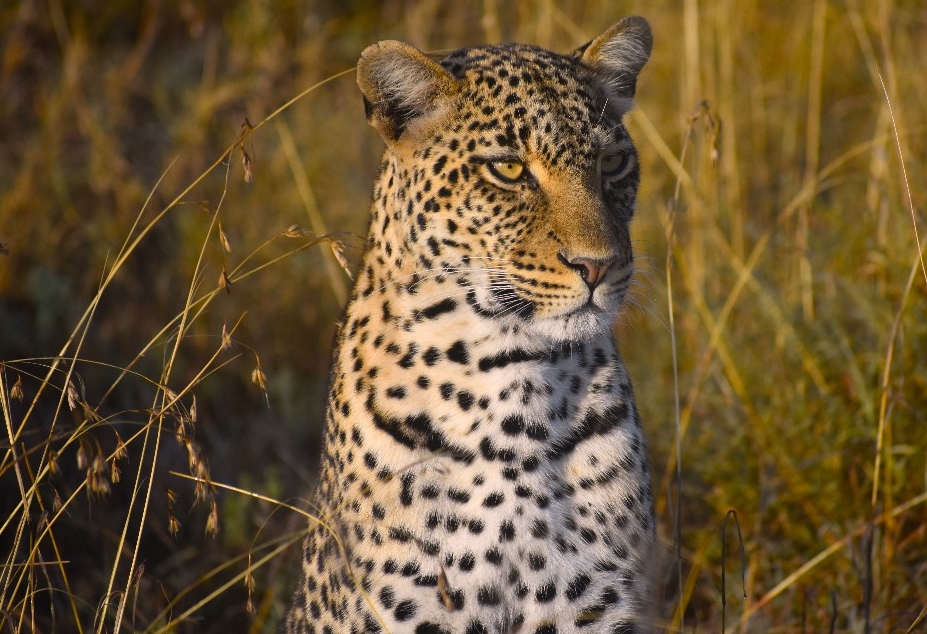
The park is a renowned destination for lion conservation and is home to over 250 lions. It is one of the best places in Africa to see these large cats. The park is especially famous for having the largest population of tree-climbing lions, which are found in the Ishasha sector. Climbing lions in Ishasha sector can best be seen during the afternoon game drive as they are often seen sprawl on the large tree branches.
Lion tracking experience in Queen Elizabeth National Park is one of the unique and intriguing wildlife adventure activities where visitors get a chance to track these amazing creatures during a game drive especially in the northern part of the park. This activity is led by skilled and experienced researchers from the Uganda Carnivore Program, which helps nature lovers to get close and personal to these majestic creatures in the wilderness as they study their behaviours and feeding habits. By participating in lion tracking, visitors directly contribute positively to wildlife conservation and sustainable efforts.
Lion tracking experience in Queen Elizabeth National Park offers tourists an opportunity to get a closer look at lions as they roam the vast savannah grasslands of the park. With armed ranger guides and researchers, visitors can have a close encounter with lions, gaining unique insights into their behavior and feeding habits. Booking in advance is required, costing between $150 and $200, plus extra fees.
Uganda Carnivore Program, Research and Wildlife Conservation
The Uganda Carnivore Program (UCP) is part of the Uganda Wildlife Authority’s research department and started in the 1990s as the Uganda Large Predator Project. It was created due to worries that the canine distemper virus, which was harming canines in the Serengeti National Park, might affect predators in Uganda. Initial concerns grew from unknown lion deaths, but research showed that Uganda’s lions were dying from poisoning, not the virus. This significant project extends to monitor predators mainly lions and further expanded to include community sustainability and other conservation efforts, finally becoming the Uganda Carnivore Program.
The Uganda Carnivore Program is dedicated to conservation and research. It educates nearby communities on the importance of wildlife and how to coexist with big cats. Queen Elizabeth National Park seems to be one of the largest in the country, infact its the second largest after Murchison Falls National Park, but has many human settlements and a major highway running through it. Local communities rely on farming and raising livestock, which often graze in lion territory, leading to encounters and conflicts with predators.
The UCP has obtained modern tracking devices to monitor predator movements in Queen Elizabeth National Park, Uganda. They maintain a detailed database of the lions in the park, which aids conservationists and the government in understanding lion populations. UCP also trains young scientists, relocates park animals, and provides recommendations for funding decisions. The project welcomes international volunteers and student researchers interested in wildlife conservation and ecology.
Lion tracking experience in Queen Elizabeth has been introduced to raise funds and increase visibility for project activities in collaboration with the Uganda Wildlife Authority. A limited number of tourists can participate in day and night tours to learn about predators like leopards, hyenas, and lions. The Uganda Carnivore project is led by Dr. Ludwig Siefert, who has been involved since the 1990s and also lectures at Makerere University. He has significantly contributed to wildlife research, attracted funding, and trained many scientists. Other team members include James Kalyewa, who monitors predators, and Kenneth Mugyenyi, who handles community outreach.
Best time to do lion tracking in Queen Elizabeth National Park
The best time to spot lions in Queen Elizabeth National Park is during the early morning hours (early morning game drive) and during nighttime safaris. This is the best time to see these predators in action before they go into their hideouts to rest. However, the best season to see these majestic creatures is during the dry season, which runs from June to September and December to February, when the game tracks are dry and passable. During the rainy season, which runs from March to May and from October to November, the game tracks tend to be muddy, slick, and slippery due to heavy rains.