Best Time to do Lion Tracking in Queen Elizabeth National Park.
Travelers planning a lion tracking safari in Uganda often ask about the best time to experience this activity at Queen Elizabeth National Park. This is the only park in Uganda where you can participate in lion tracking, making it a unique attraction for lion enthusiasts from around the world. This article will guide you on the optimal time to explore this fascinating experience, learn more about lion behavior, and capture amazing photographs.
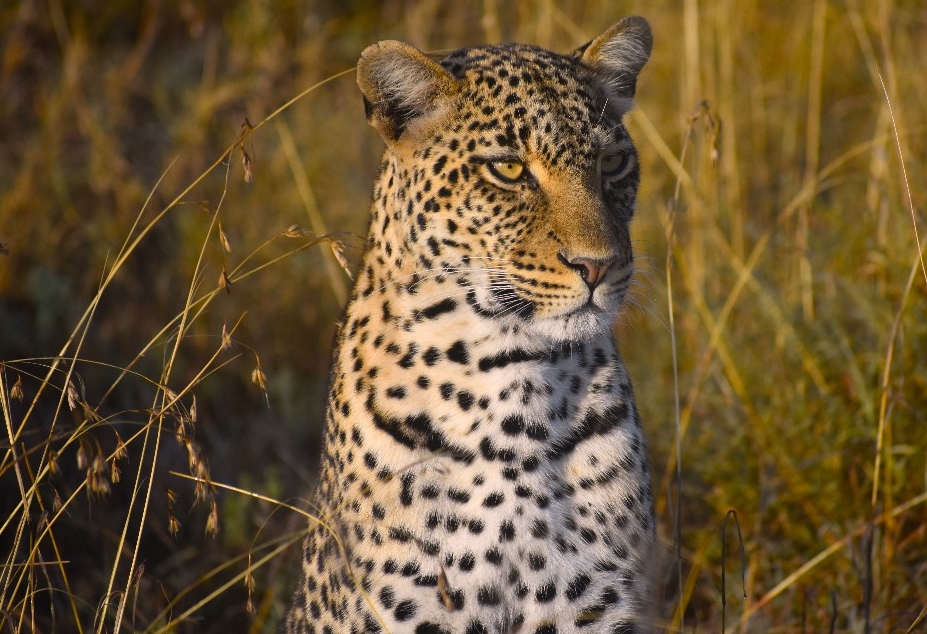
Queen Elizabeth National Park is situated in western Uganda, spanning over 1,979 square kilometers. It is the second largest park in the country, following Murchison Falls National Park, and is renowned for its stunning landscapes. The park is particularly notable for its high population of lions, with over 250 individuals, especially in the Kasenyi plains area, which is in the northern sector of the park. This region has the highest concentration of lions, making it the primary area for lion tracking activities. The lion tracking program is part of a research initiative conducted by the Uganda Carnivore Program, which aims to protect predator populations.
Located on the equator, the park enjoys a warm climate with temperatures ranging from 18 °C to 28 °C. There are two rainy seasons and two dry seasons, allowing visitors to enjoy the park year-round. While the park can be visited at any time for various adventure activities such as lion tracking, leopard tracking, primate tracking, game viewing, nature walks, and boat cruises, bird watching, mongoose tracking, certain months may be more convenient for tourists than others.
Best Time to do Lion Tracking in Queen Elizabeth National Park.
Dry seasons.
Queen Elizabeth National Park experiences two dry seasons, which are the ideal times for lion tracking in Uganda. The dry months occur from December to February and then again in June through September, a period often referred to as the high season. During these times, rain is minimal or nonexistent, resulting in dry roads that make it easy to navigate the park and access lion tracking routes.
The shorter vegetation during the dry seasons also provides excellent visibility for spotting lions, making it easier to capture clear photographs due to improved lighting conditions. These dry seasons are characterized by warm temperatures in this beautiful savannah park, drawing many lion enthusiasts eager to experience the true African wilderness.
While tracking lions in Queen Elizabeth National Park, visitors may also have the chance to see a variety of other wildlife species that inhabit the area. This includes leopards, elephants, waterbucks, warthogs, Uganda kobs, both white and black colobus monkeys, vervet monkeys, buffalo, and many species of birds.
Wet Seasons- Best Time to do Lion Tracking in Queen Elizabeth National Park.
During this season, travelers can still participate in lion tracking in Queen Elizabeth National Park. The wet season runs from March to May and again from October to November, a period commonly referred to as the low season. This time is particularly beneficial for budget-conscious tourists, as tour companies and lodges typically offer discounts due to the lower number of visitors. However, this season also brings heavy rainfall that makes the roads leading to the park slippery, muddy, and challenging to navigate. Additionally, the vegetation becomes thick and tall, which can hinder clear views of lions in their natural habitats.
How to get to the Park.
Queen Elizabeth National Park can be accessed by either air or road transport, depending on the visitor’s budget and preference. For those who prefer a quicker journey, flights are available that take just 1 hour and 40 minutes from Entebbe International Airport or Kajjansi Airport to Mweya Airstrip or Kasese Airfield. Airlines such as Aerolink Uganda and Bar Aviation Uganda operate these flights.
For visitors traveling by road from Kampala, there are two main routes. The first route takes you from Kampala/Entebbe through Masaka, Mbarara, Bushenyi, and Kasese. The second route goes from Kampala via Mubende, Kyenjojo, Fort Portal, and Kasese. Additionally, visitors can drive through Kihihi and Kanungu to reach the park from the Buhoma sector of Bwindi.
Where to Stay while doing Lion Tracking in Queen Elizabeth National Park
Visitors to Queen Elizabeth National Park have a variety of accommodation options both inside and outside the park, so they don’t need to worry about where to stay during their lion tracking safari. Tourists can choose from different price ranges, with options that cater to budget, mid-range, and luxury preferences. Some of the available accommodations include Parkview Safari Lodge, Elephant Hub, Mweya Safari Lodge, Jacana Lodge, Kazinga Channel View Resort, Kingfisher Lodge, Elephants Plain Lodge, Red Chilli Hideaway, Pumba Safari Camp, Kyambura Gorge Lodge, Queen Elizabeth Bush Lodge, Ishasha Wilderness Camp, and Katara Lodge.