When is the Best Time to Visit Queen Elizabeth National Park
Most travellers especially nature lovers and birdwatchers often pose questions about the when is the best time to visit Queen Elizabeth National Park. Well, this article will immerse you into various seasons of the year and the related activities to indulge in such as game drives, boat cruises, birdwatching, nature walks, among others. This park is located in Kasese district in Western Uganda was established in 1952 is located in Uganda’s western region, Kasese district spanning 1978 square km (764 sq miles). The park receives two climatic zones including 2 dry seasons and 2 rainy seasons throughout the year. These two climatic zones offer excellent activities where travellers have a choice of selection depending on the time of their travel and activities selected.
What is the best time to visit Queen Elizabeth National Park
Dry season
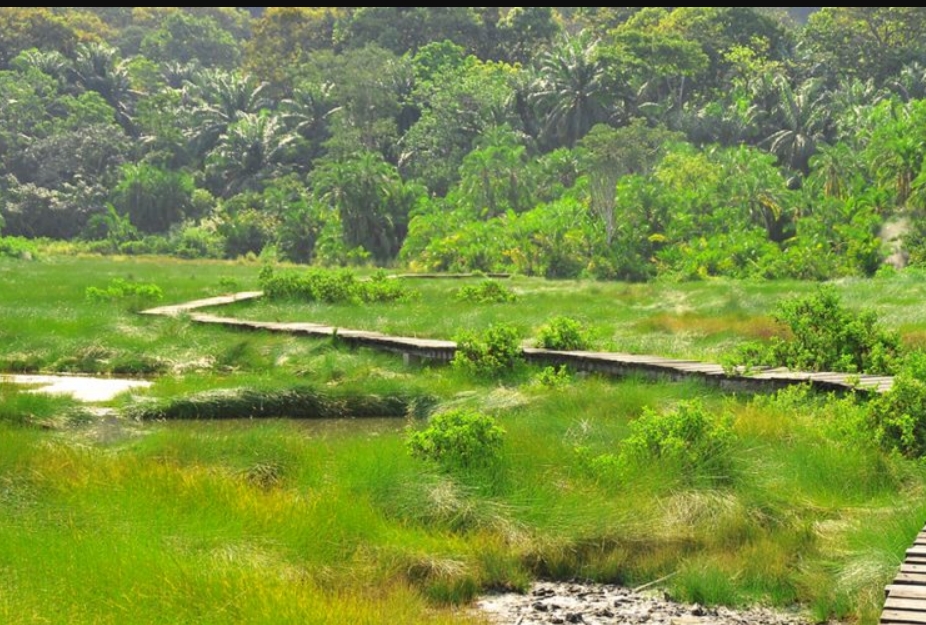
For numerous reasons, the dry season is perhaps the best time of year to visit Queen Elizabeth National Park. Every year, June, July, August, September, December, January, and February are the dry season months. The dry season is more convenient for most of park activities due to internittent rainfall. The park’s vegetation cover is always sparse and short, with a golden color during the dry season, making it easier for visitors to see its various attractions, such as primates, birds, mammals, and much more. The dry season also keeps the game tracks and walking trails dry and usable, which doesn’t slow down visitors’ pace while they’re strolling and keeps cars from getting stuck.
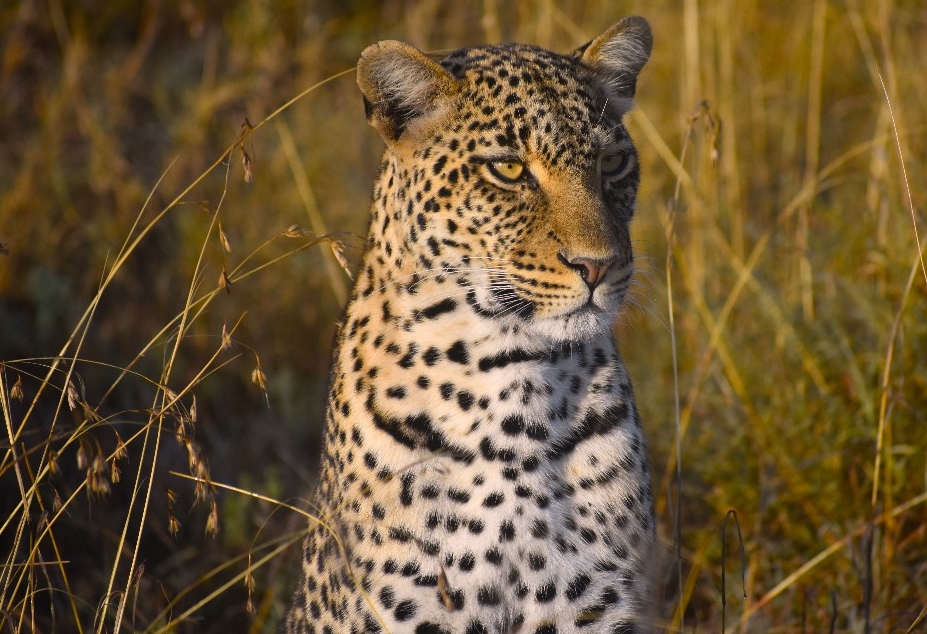
Several activities to enjoy during the dry season include Game drives, birdwatching, community encounters, nature walks and boat rides on the scenic Kazinga Channel. The dry game tracks make it easier for safari vehicles to drive through, and the short, dry vegetation provides excellent views of the park’s other attractions and wildlife species. All these factors make the adventure enjoyable especially during game drives. Nature walks are also exciting in the dry season because the trails are dry and manageable, which doesn’t slow down movement. Most of the park’s wildlife species to see include mammals, primates, birds, reptiles, butterflies, and much more, are easily seen due to the sparse foliage.
Due to the dry season that receives intermittent rainfall, the birding trails are always dry making birdwatching also enjoyable throughout the dry season, which runs from late May to September. The park has few or no migrating birds, but due to the short vegetation and unobstructed views, birdwatchers may see the majority of the park’s creatures.
In terms of transportation, Queen Elizabeth National Park is relatively accessible during the dry season due to the navigable road ways heading to the park. This implies that visitors will arrive to the park on schedule with no chance of becoming stuck while the roads are dry.
The rainy season
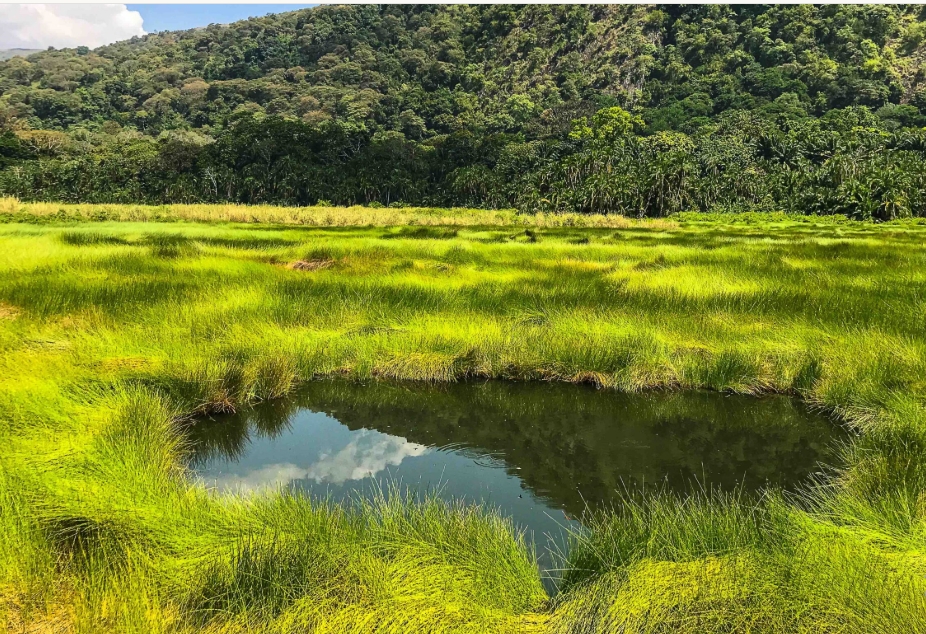
During the two dry seasons, March, April, May, October, and November are the months that are subjected to heavy rains in Queen Elizabeth National Park. Due to heavy rains received on most days throughout these months, detracts visitors from the majority of park activities, making them unpleasant. However, due to abundance of food throughout the park, many bird species, including migratory birds, can be seen, making birdwatching the most pleasurable activity during the wet season. Although there are many birds to see during the birding activity, the muddy, slippery and slick trails make it take longer.
Although additional park activities, including boat rides, game drives, nature walks, and community visits, are also available to tourists during the rainy season, they are not as engaging as they are during the dry season, which is caused by the rains. In the rainy season, tourists can see a variety of species during activities like game drives, however not as many as during the dry season. Due to the abundance of food and the tendency to congregate in places with dense foliage, animals avoid over moving within the park during wet seasons, which makes it difficult for visitors to see the park’s animal species.
Even during the rainy season, boat tours on the Kazinga Channel are conducted, although the wind and extremely high-water levels make it impossible. In contrast to the dry season, when the activity can be done in the morning and evening, it may even be postponed for safety reasons when the water speed is high. During the wet season, the park has plenty of food and water, thus there aren’t many animals along the Kazinga channel.
The roads leading to the park are impassable during the wet season, particularly the main tarmac road that leads to the park. Due to their poor construction and marram, the roads can become slick after heavy rains, causing vehicles to become stuck and prolonging the time it takes to travel to the park. Flights to the park may tend to delay during the wet season especially during heavy rains, and this may not be possible during the dry season. Birdwatchers should visit the park during the rainy season, but those who prefer other activities can still come and take advantage of significant savings on lodging.
In conclusion, the dry season, which runs from June to September and December to February, is the best time of year to visit Queen Elizabeth National Park. The vegetation is sparse, offering stunning views of all the park’s wildlife species, the roads leading to the park are passable, and the months are marked by intermittent rainfall, which keeps the game tracks and walking trails dry and accessible.