Top Reasons to Visit Queen Elizabeth National Park
If you are planning an African safari and are curious about the top reasons to visit Queen Elizabeth National Park, you’re in for a treat. This park is one of the most beloved and frequently visited in Uganda, attracting tourists from around the globe. Queen Elizabeth National Park is renowned for its rich biodiversity. It is home to over 605 bird species and 96 mammal species, including the “Big Four”: lions, leopards, buffaloes, and elephants. Additionally, you can find other fascinating wildlife such as hyenas, waterbucks, Uganda kobs, bushbucks, topis, hippos, warthogs, banded mongooses, genets, and African civets, as well as numerous primate species like chimpanzees, blue monkeys, red-tailed monkeys, and olive baboons.
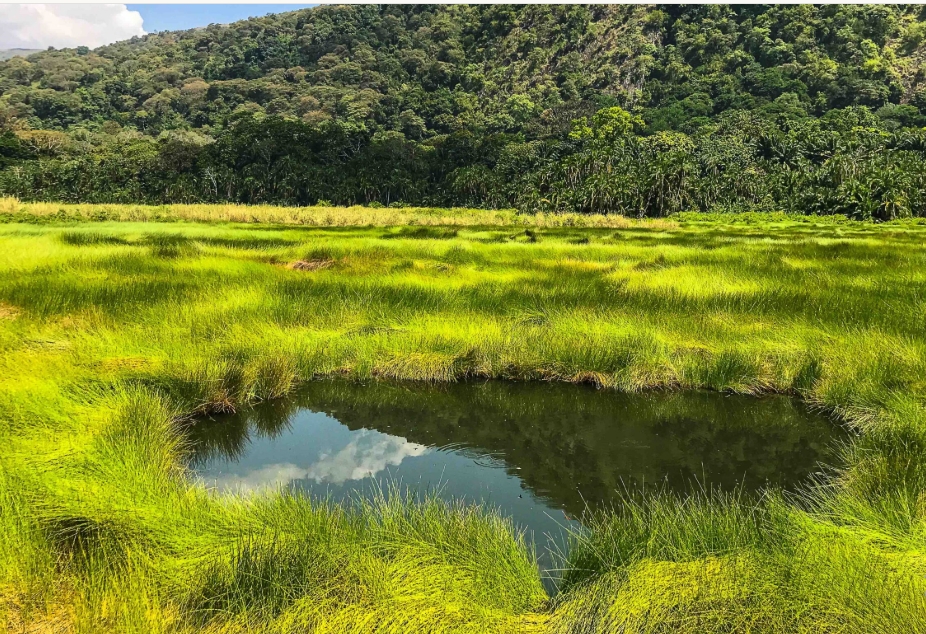
One of the park’s most unique features is its tree-climbing lions, which can only be found in Uganda and Tanzania in East Africa. This unusual behavior of climbing trees makes the park a special destination, drawing many visitors eager to observe these rare lions. There are numerous compelling reasons to visit Queen Elizabeth National Park, including the remarkable tree-climbing lions, the scenic Kazinga Channel, exciting game drives, predator tracking opportunities, and breathtaking landscapes. Each of these aspects contributes to the park’s allure and makes it a must-visit location.
Why Visit Queen Elizabeth National Park.
Chimpanzee Trekking in Kyambura Gorge.
Chimpanzee trekking is one of the top reasons to visit Queen Elizabeth National Park, specifically in Kyambura Gorge. This trekking experience offers a unique opportunity to get close to our closest relatives on Earth.
The trek begins with a briefing about the rules of chimp trekking. Participants are divided into groups of eight, each led by a ranger guide who will take you to the assigned chimpanzee family. Once you locate the family, you will spend one hour observing these playful creatures and their daily activities. You will witness how they play, feed, and how mothers care for their young ones, all while moving gracefully from tree to tree. It is fascinating to see their playful behaviors and the way they care for each other, much like humans do. For anyone wanting to see these beautiful creatures, Queen Elizabeth National Park is a must-visit destination.
Kazinga Channel.
Kazinga Channel is a picturesque waterway stretching 32 kilometers, connecting Lake George and Lake Edward. It serves as a vital water source for the area’s wildlife and is home to over 70 species of birds, including flamingos, kingfishers, egrets, and pied kingfishers, among others.
One of the most memorable experiences in Queen Elizabeth National Park is taking a boat cruise on Kazinga Channel. This relaxing journey offers a chance to appreciate the park’s stunning beauty. During the cruise, you can observe schools of hippos swimming, crocodiles sunbathing, and buffalo and elephants coming to drink water or bask in the sun, making the experience truly remarkable.
Game drives- Top Reasons to Visit Queen Elizabeth National Park
A game drive is one of the top reasons to visit Queen Elizabeth National Park. It offers the chance to observe a diverse array of wildlife, stunning landscapes, and various bird species that inhabit the park. During a guided game drive, you may encounter a range of mammals, including elephants, buffalo, leopards, lions, waterbucks, bushbucks, mongooses, hyenas, hippos, genets, and African civets. Primate enthusiasts will appreciate spotting baboons, red-tailed monkeys, blue monkeys, and vervet monkeys. Additionally, bird watchers will be thrilled to discover over 605 bird species, making the park a paradise for birders. Notable bird species to look out for include the Black-headed Gonolek, Red-chested Sunbird, Black-bellied Bustard, Ross’s Turaco, Broad-billed Roller, and Double-toothed Barbet, among many others.
Bird Watching.
Bird watching in Queen Elizabeth National Park is one of the most exciting activities for bird enthusiasts. The park’s diverse ecosystems, including wetlands, woodlands, grasslands, and forests, provide excellent habitats for a wide variety of bird species.
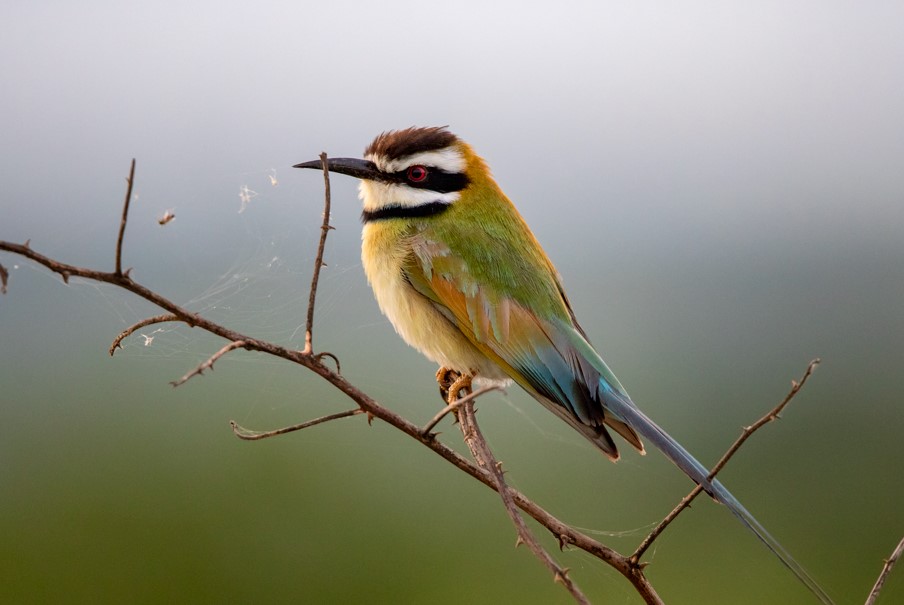
During a birding safari, you will have the opportunity to see numerous birds, such as the Black-bellied Bustard, Ross’s Turaco, Broad-Billed Roller, Double-toothed Barbet, Grey-backed Fiscal, Green Crombec, Montagu’s Harrier, Little Stint, Common Greenshank, Southern Red Bishop, Lesser and Greater Swamp Warbler, Common Squacco Heron, Carruther’s Cisticola, Saddle-billed Stork, Papyrus Gonolek, Great Swamp Warbler, Pink-backed Pelican, Hooded Vulture, Palm-nut Vulture, and the Brown Snake Eagle, among others.
Predator Tracking- Top Reasons to Visit Queen Elizabeth National Park
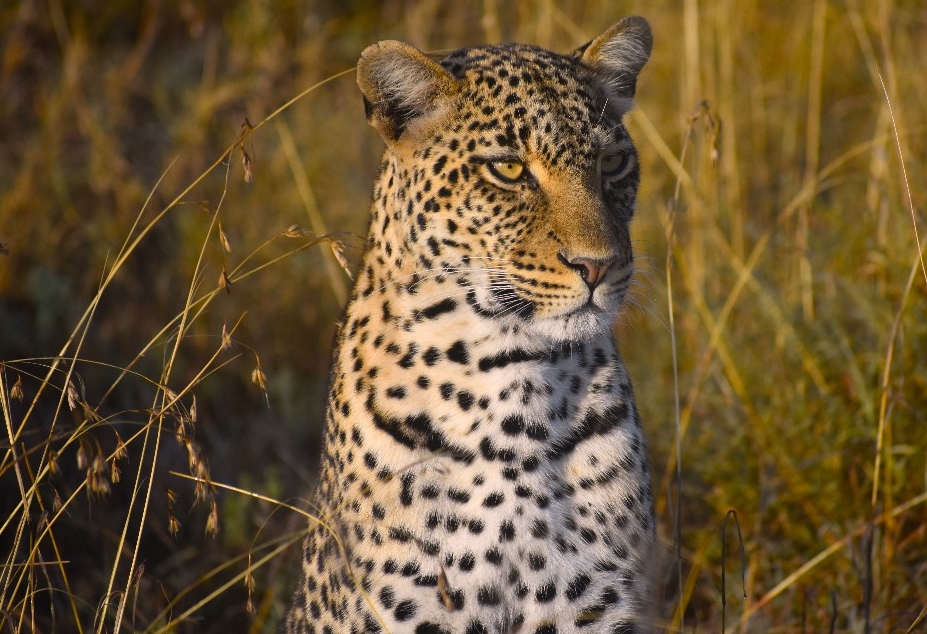
Predator tracking, particularly for lions and leopards, is one of the most exciting activities to experience in Queen Elizabeth National Park. This unique opportunity allows visitors to get close to these elusive animals, which can be challenging to spot during the day. The tracking is conducted by the Uganda Carnivore Program, an initiative dedicated to protecting these species while also supporting the surrounding communities to discourage hunting.
The research program is led by an armed ranger and a researcher who track the predators using GPS radio collars. There is a 98% chance of seeing either lions or leopards, depending on your engagement preference. Once the animals are located, participants have the chance to observe their behavior up close and learn more about these fascinating predators. This experience is remarkable, allowing you to capture clear photographs and gain valuable insights about these animals in their natural habitat.
Tree -climbing Lions in the Ishasha sector.
Tree-climbing lions in the Ishasha sector, located in the southern part of Queen Elizabeth National Park, are one of the top reasons to visit this park. These unique lions are found only in Uganda and Tanzania and are known for their rare ability to climb trees, which attracts many tourists eager to witness this unusual behavior. Visitors often have the opportunity to see cubs climbing and playing on the branches, as well as adult lions lounging in the trees while they look for prey. This incredible experience is something everyone should have the chance to enjoy.