Experience the Unique Queen Elizabeth National Park
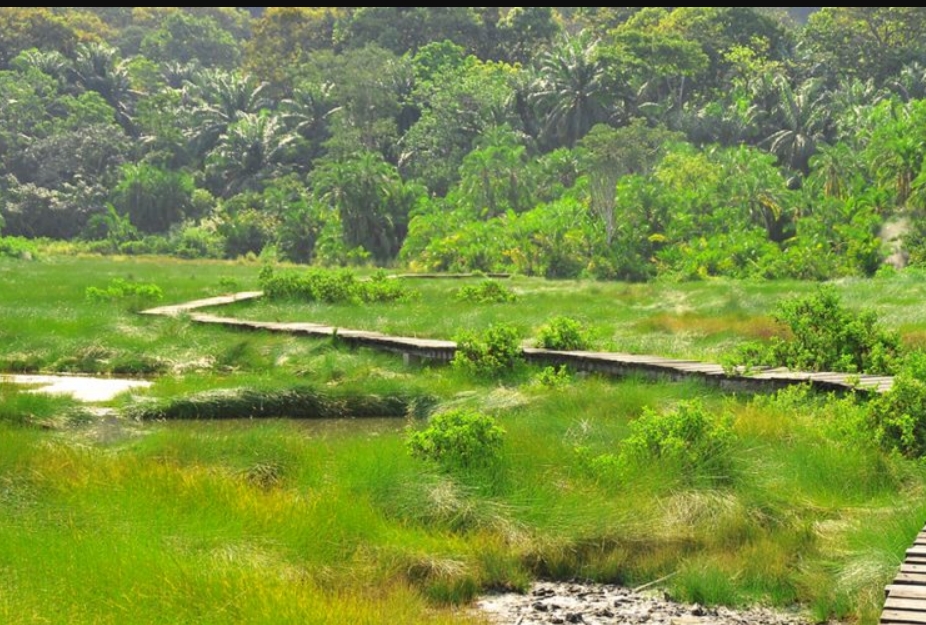
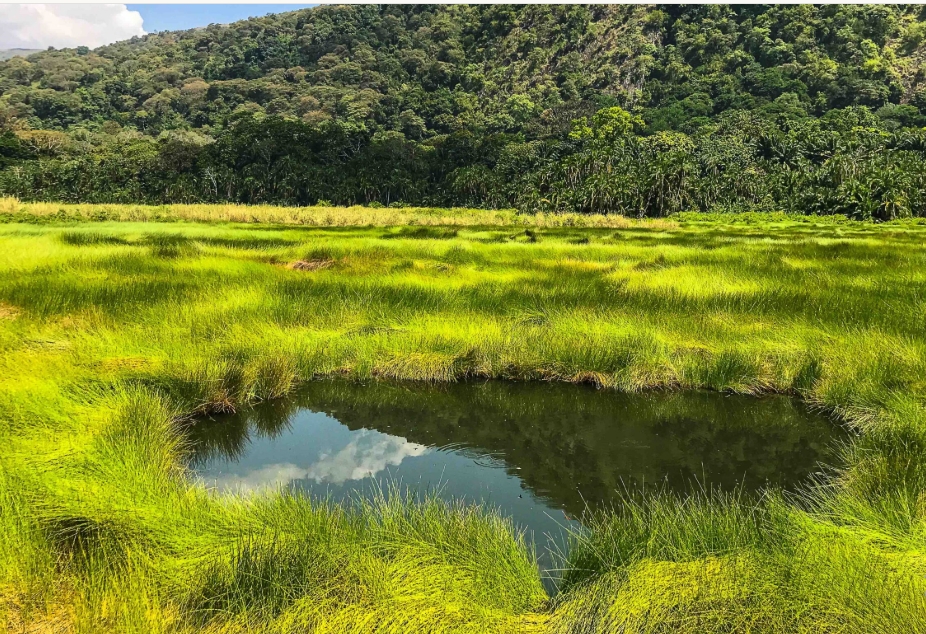
Experience the Unique Queen Elizabeth National Park: Queen Elizabeth National Park is a remarkable wildlife destination and Uganda’s most popular and diverse conservation area located on the Rift valley floor in south western Uganda, next to the Congo Uganda border in the East. This is one of the most visited parks in the country due to its rich biodiversity that entails unique habitats such as wetlands, savannah grasslands, acacia woodland, tropical forest and open water.
History of the park
Queen Elizabeth National Park is also known by its early name, Kazinga National Park, from 1952 during colonial governance. Later in 1953 the park was fully established as a national park, and its renaming followed after the visiting of Queen Elizabeth II.
The expansion of the park also includes the colonial-era conservation management effort due to the displacement of communities and their farms; hence, its size is approximately 1,989 km². The expansion of the park was mainly due to the displacement of people around the park.
The displacement of people around the park is believed to have come out of tsetse flies and a rinderpest outbreak, which directly attacked the pastoralists; hence, evictions by the colonial government were by then in the conservation system. However, the locals believed that it was just a trap.
Biodiversity
Experience the Unique Queen Elizabeth National Park: As a UNESCO Biosphere Reserve, Queen Elizabeth National Park is recognized internationally for its exceptional level of biodiversity, housing more ecosystems than any other protected area of Uganda.
Famously known as a medley of wonders, Queen Elizabeth National Park is rich in biological diversity, ranging from savannah grassland and woodland to tropical rain forests. The Kasenyi plains, in the form of a savannah ecosystem in the northern part of the park, have accommodated several animal species, such as antelopes, buffaloes, and warthogs, and have also acted as a hunting ground for lions.
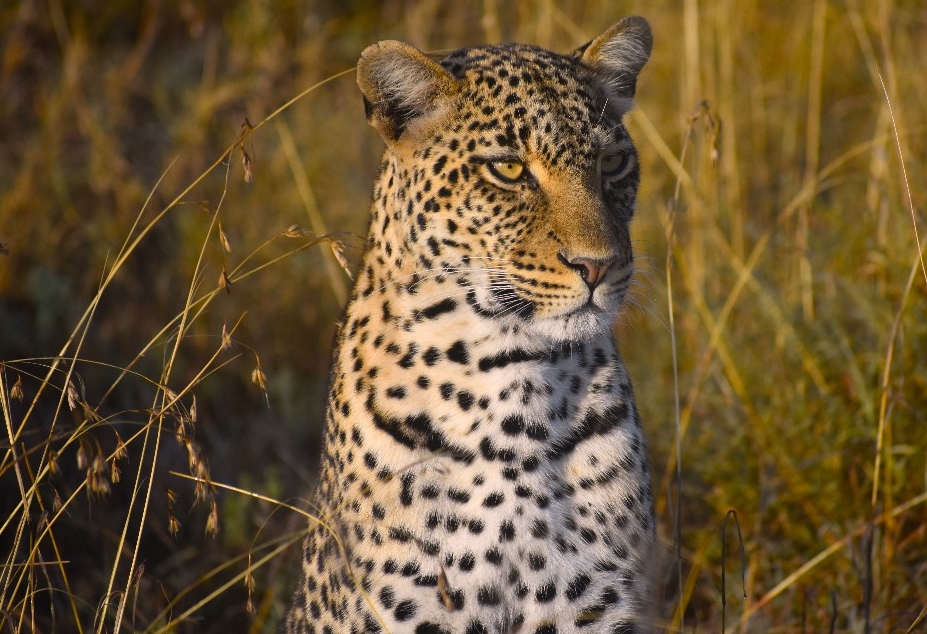
The availability of the big four animals among the big five, namely elephant, lion, buffalo, and leopard, has also stimulated the tourist desires to visit the park, and it has brought it to the frontline of the must-visit destinations in Africa.
Kalinzu Forest Reserve and Maramagambo Forest have also acted as home for different primates such as white colobus, L’Hoest’s monkey, chimpanzees, mangabeys, vervet monkeys, and so many others. Beside the Kazinga Channel that connects Lake Edward and Lake George, being home for various herds of hippos and crocodiles, Lake Edward and Lake George also act as home to different fish species.
Various bird species, such as shoebills along the shores of lakes and at the bank of the Kazinga Channel, and cattle egrets are spotted within the park, which makes Queen Elizabeth National Park a good destination for bird lovers.
Maramagambo Forest is not only home for primates like chimpanzees, but also the variety in plant species is used by the community in the process of collecting medicine, which helps in coexistence.
The Kyambura Gorge, also known as the Valley of Apes, a chimpanzee concentration, also provides a wonderful experience in the park.
Not like any other reserved areas of Uganda, Queen Elizabeth National Park is the only destination to see the unique climbing lions. The Ishasha sector of the park in the southern part provides a unique experience of climbing lions, where one sees them relaxing on the branches of the trees.
Geography of the park
Experience the Unique Queen Elizabeth National Park: The Kasenyi plains, the relatively flat landscape of Kasenyi, provide easy concentration of various animals and provide a clear hunting ground for predators.
Volcanic crater: the park has numerous crater lakes like the Katwe explosion crater, which provides a unique scenery. Lake Katwe is remarkably known traditionally for its salt mining experiences since the colonial era.
Kazinga Channel: Apart from connecting large water bodies of the park (Lake Edward and Lake George), the Kazinga Channel is also known for accommodating large numbers of hippos in all East African conserved destinations.
Community and conservation
Community and conservation: the conserved area has benefited from the community, and the community has also benefited in a way that the local people around the park use the park as the source of fuel by collecting firewood for home use. The Uganda Wildlife Authority has come up with measures and restrictions on how to access the park resources, and also the community members have benefited from the conservation by being directly or indirectly employed.
Direct employment of the local community members comes in a way that local guides are hired during the visit to the park. It is believed that during cultural encounters local guides are employed just because they have firsthand information about their culture and the community at large.
Market base: Conservation has also stimulated the market base for the goods that are produced locally; agricultural products like matooke and vegetables are sold directly to the tourists during the visit.
Uganda Wildlife Authority (UWA) has also come up with a 10% program that goes directly to the community, hence making conservation a bit easier compared to before.
How to access Queen Elizabeth National Park
It requires a 5 hr – 6 hr drive to reach the park depending on the traffic conditions on a given day. A tourist to access the park will drive from Kampala via the Masaka-Mbarara road, or a tourist might decide to access the park by driving from Kampala. Via Mityana, Mubende, and Fort Portal, these two routes will lead you to Queen Elizabeth National Park, and the time will vary.
Threats to conservation
Poaching
Various challenges have been encountered during conservation process especially encroaching on the park land and killing of some animals. This is mainly done by the poachers who kill the animals directly, hence slowing down the conservation work.
Man’s activities
These include construction, farming, fishing, deforestation, and others have played a very big role in affecting the conservation efforts through killing these wild animals, which has led to reduction in wildlife species due to habitat loss emanating from man’s activities.
Wildfires
Wildfire breakdown also slows down the activities of conservation by killing animals and destroying vegetation.
Land conflicts
This is between the authority body and the communities around the park; some locals up to now believe that some occupied park areas are still their land, hence encroaching.
Recommendations
The central government should team up with the Uganda Wildlife Authority in conservation processes by directly investing into the tourism industry and increasing the percentage that goes back to the community; this will ease the conservation and management activities because the community will believe it is yielding directly from the park.
Still, the Uganda Wildlife Authority (UWA) should directly employ a good percentage of local members to directly work as game rangers, guides, and drivers; hence, conservation will be seen as a major factor in the communities, and this will reduce the challenge of encroaching.
Conclusion
In conclusion, Queen Elizabeth National Park is not only seen as a habitat for wildlife but also directly provides positive outcomes through the park revenue that is partly shared to the communities for community projects as part of sustainable development.