Birding Safaris in Volcanoes National Park.
Birding Safaris in Volcanoes National Park offer a remarkable experience in one of the most scenic national parks in Rwanda, which allows bird lovers to encounter various bird species in their natural habitats. It’s situated in the far northwest corner of the country, bordering Uganda and DR Congo. It’s within the Virunga mountains, which create beautiful scenic views of the ranges, and this amazing park is widely known for hosting the endangered mountain gorillas, but it is equally a prime destination for bird enthusiasts and ornithologists seeking rare and endemic species. It’s one of the oldest national parks in Africa, established in 1925 to protect the endangered mountain gorillas and wildlife species that existed at that time.
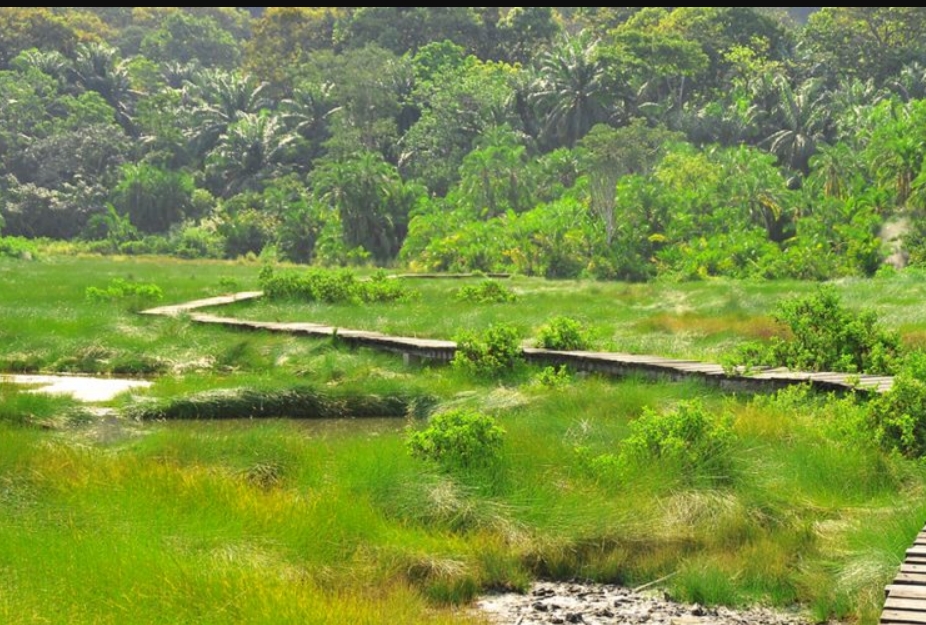
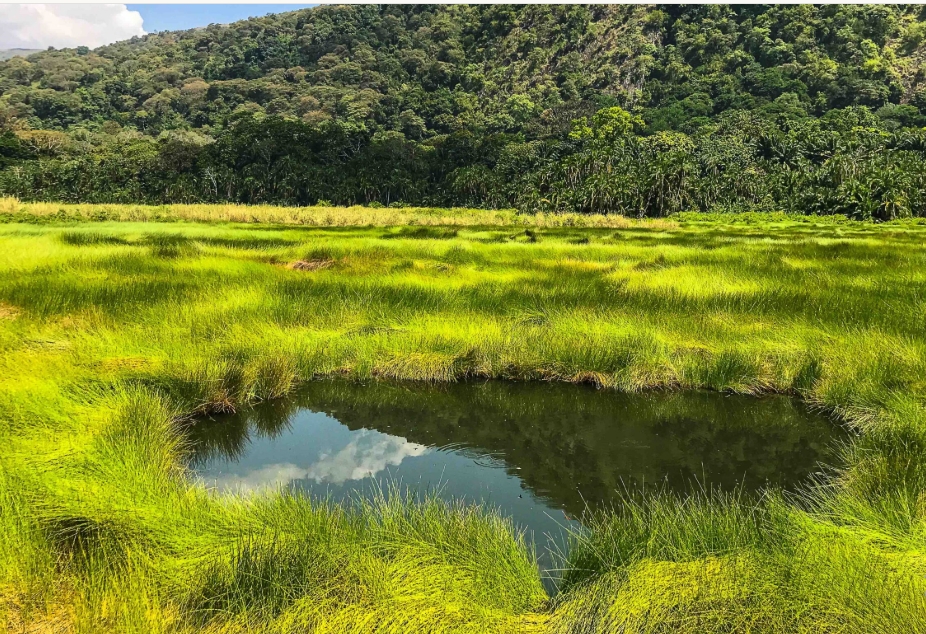
It’s the smallest national park in Rwanda, covering an area of approximately 160 square kilometres. The park is home to over 237 bird species recorded by Avibase, which include forest birds, 18 Albertine Rift endemics, water birds, migratory birds and the park’s endemic species, which are rare to find elsewhere. The park’s rich avian life is supported by a mix of ecosystems, which provide various habitats to unique bird species like bamboo forests, montane forests, grasslands and wetlands. Bird lovers can also do other activities while on a safari in the park, like golden monkey tracking, gorilla trekking and cultural encounter, all of which provide true African safari experiences. Whether you are a seasoned birder or a nature lover looking to expand your wildlife experience, birding in Volcanoes National Park provides an unforgettable safari experience in the heart of Rwanda.
Birds to see on Birding Safaris in Volcanoes National Park.
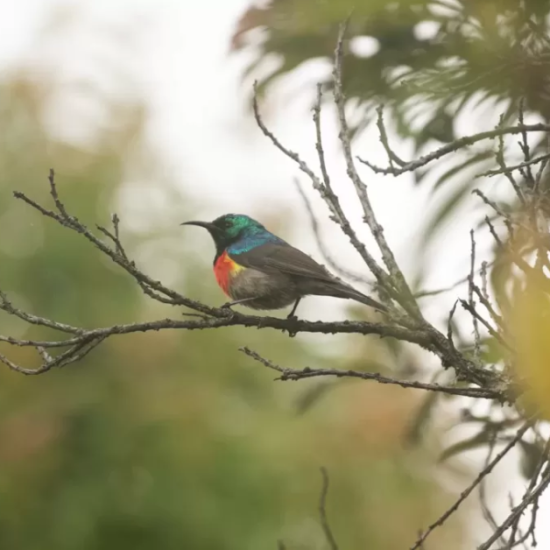
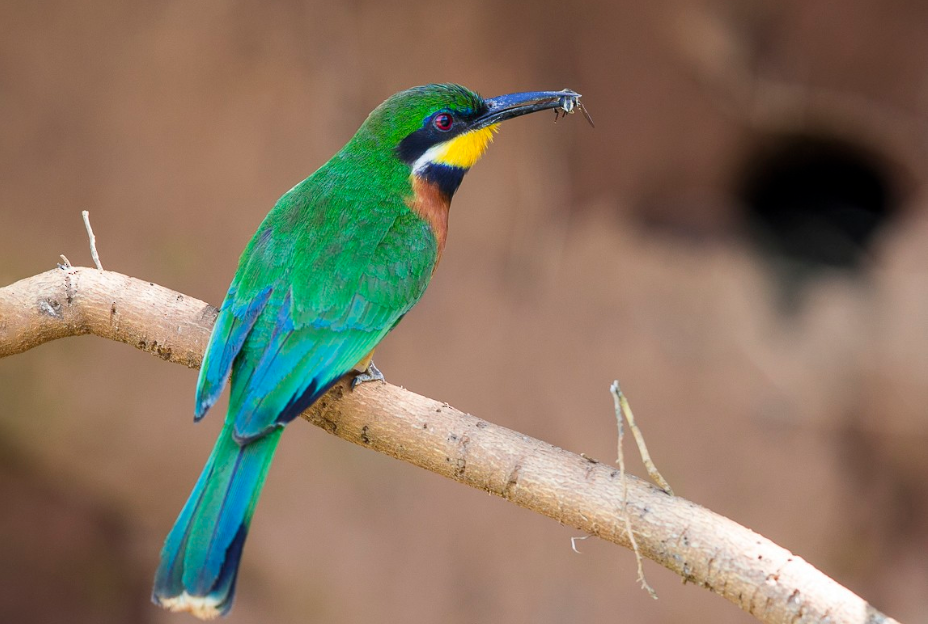
Bird enthusiasts will find the park a paradise for bird watching, with various colourful birds which call this awesome park home. Some of the birds to encounter on birding safaris in Volcanoes National Park include Ruwenzori Turaco, Black-billed Turaco, Purple Heron, Little Egret, African Sacred Ibis, Hadada Ibis, Great Cormorant, Rufous-breasted Sparrowhawk, Black Sparrowhawk, Black Kite, Little Bee-eater, African Pygmy Kingfisher, Pied Kingfisher, Common Kestrel, African Hobby, Eurasian Hobby, Peregrine Falcon, Dusky Turtle Dove, Mourning Collared Dove, Red-eyed Dove, Ring-necked Dove, Laughing Dove, African Green Pigeon, Tambourine Dove, Scarce Swift, African Palm Swift, Alpine Swift, White-rumped Swift, Little Swift, African Swift, Blue-headed Coucal, Levaillant’s Cuckoo, Klaas’s Cuckoo, African Emerald Cuckoo, Diederick Cuckoo, Collared Sunbird, Blue-headed Sunbird, Olive Sunbird, Scarlet-chested Sunbird, Bronzy Sunbird, Malachite Sunbird, Olive-bellied Sunbird, Scarlet-tufted Sunbird, Regal Sunbird, Northern Double-collared Sunbird, Red-chested Sunbird, Variable Sunbird, Copper Sunbird, Yellow Bishop, Fan-tailed Widowbird, Archer’s Ground Robin,Red-faced Woodland Warbler, Collared Apalis, Stranger Weaver, Dusky Crimsonwing, Rwenzori Double- collared Sunbird, Hottentot Teal, African Black Duck, Yellow-billed Duck, Ross’s Turaco, Marabou, Yellow-billed Stork, European White Stork, Pink-backed Pelican, Hamerkop, Cattle Egret, Grey Heron, Black-headed Heron, Goliath Heron, Brown-necked Parrot, Ruwenzori Batis, Chinspot Batis, Chinspot Batis, Brown-throated Wattle-eye, Black-throated Wattle-eye, Lagden’s Bush-shrike, Northern Puffback, Brown-crowned Tchagra, Albertine Sooty Boubou, Mountain Sooty Boubou, Doherty’s Bush-shrike, Lühder’s Bush-shrike and more.
Birding Experience in the Park.
Birding safaris in Volcanoes National Park offer guided bird watching walks led by a knowledgeable park guide who assists travellers in identifying various bird species by listening to their beautiful melodic calls and gives more insightful information about the bird species you’ve encountered in the park. Birding is best done very early in the morning or late evening when birds are more active. This involves moving through the dense forest in search of various unique bird species. The park has various birding trails which cater to all levels of birders, whether you are an experienced birder or simply a beginner. Volcanoes National Park offers exceptional bird watching safaris, which shouldn’t be missed by bird enthusiasts.
Best Time to go for Birding Safaris in Volcanoes National Park.
Birding in Rwanda’s Volcanoes National Park can be done throughout the year, though some months are better than others. It has two seasons: the dry season and the wet season. Both seasons offer unique bird watching experiences to travellers visiting the park. The wet season is the most loved season by birders, which is from March to May and October to November. During these months, the park receives enough rainfall, trees and plant species bear fruits which attract migratory birds to the park, which run away from Asia and Europe in search of good weather conditions and food. Birds don’t move deep in the park in search of food, as the park always has enough food. Travellers should be aware that during this season, the park is always muddy, which makes it challenging to penetrate. Birders can also do birding in the dry season, which is from June to September and December to February. During this period, the park receives little to no rainfall, and it’s less muddy, making it easy to search for birds in the food. Though birds move deep into the park in this season in search of food.