Best Time to See Primates of Queen Elizabeth National Park
Travellers have always asked about the best time to see primates in Queen Elizabeth National Park. therefore, this article will guide you on the best time to explore the park’s wilderness, particularly for chimpanzee trekking, as the major draw for primate enthusiasts. Lying at an altitude of 480 meters to 1390 meters, the park is located in western Uganda and ranks third among Uganda’s top chimpanzee trekking destinations after Kibale National Park and Budongo Forest Reserve.
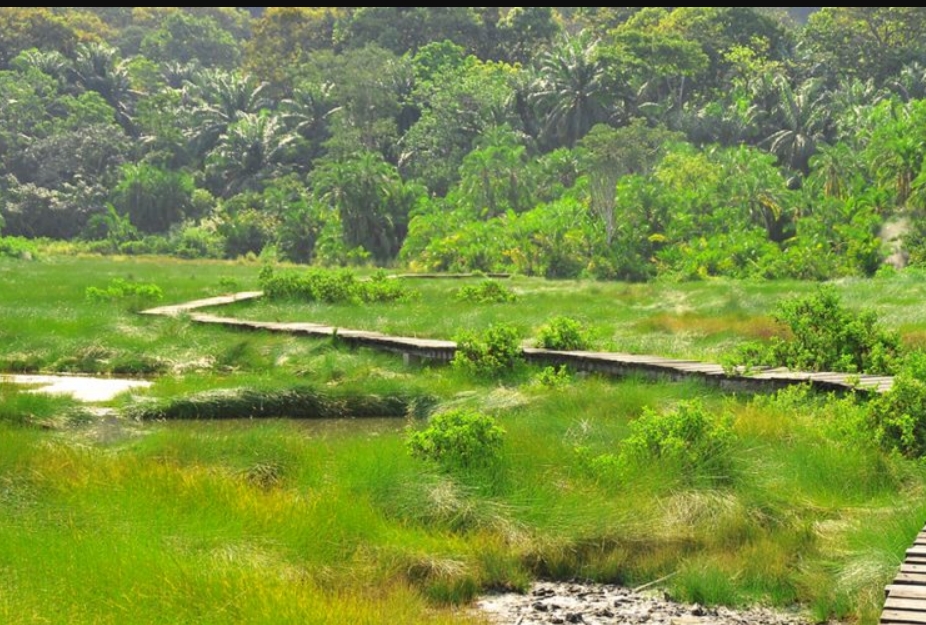
The park is home to unique primates that reside in places such as Kyambura Gorge, Kazinga channel, and Maramagambo Forest, among others. Chimpanzees are the top primates that attract visitors since they share 98% DNA with humans. It is a chimpanzee trekking experience that offers primate lovers and nature lovers an opportunity to come next to their close cousins.
The park, being located within the equator line, receives constant warm temperatures of between 18 °C to 28 °C, resulting in two dry seasons and two rainy seasons. The park can be visited throughout the year especially for adventure activities such as primate tracking, game viewing, nature walks, birding and boat cruises among others. However, some months seem to be more convenient for tourists than others.
Dry Season
The dry season is the best time to see primates in Queen Elizabeth National Park, typically in the Kyambura Gorge due to its chimpanzee population. The dry months runs from December, January to February and stretches from June July, August and September, terming to it as the high season. This season is characterised by intermittent rains that make the roads dry, easing accessibility to the park premises for primate tracking activities. More still, the vegetation cover is always short and scattered with open and dry trekking trails, offering clear views of wildlife.
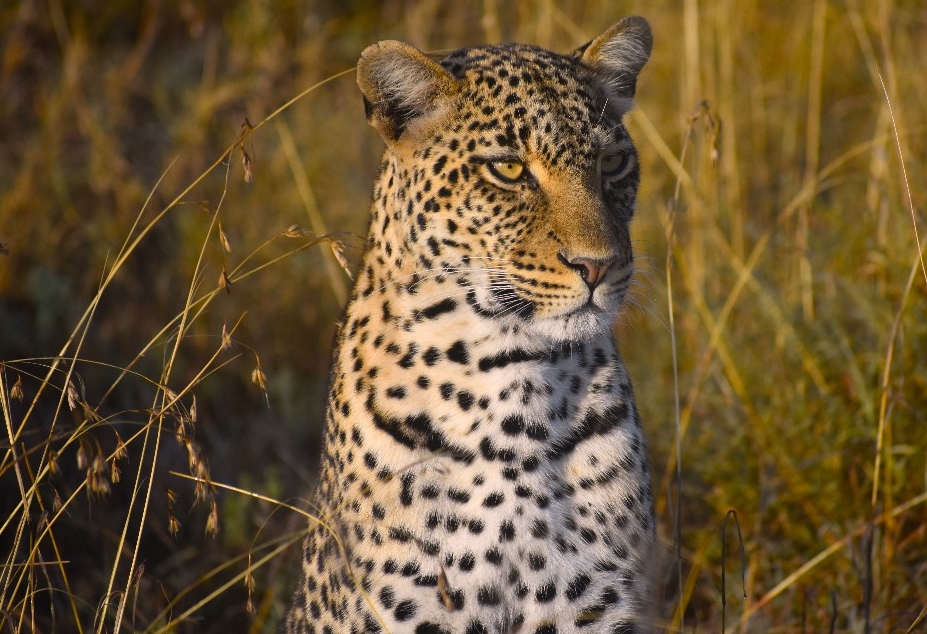
The dry season offers the best and convenient conditions for adventure safaris. The season is characterised by high temperatures that attract many primate enthusiasts to the park to see these primates. This is the best time for primate activities like Chimpanzee trekking, where visitors also have higher chances of other primate species such as olive baboons, black and white colobus monkeys, vervets, and others. More still, it is much easier to see browsing mammals and predators roaming within the park, such as lions, buffalo, elephants, and several antelopes. However, during the dry season, there is much traffic at spot points, and lodges tend to be at full capacity, hence getting more expensive.
Wet Season
During the wet season, travellers can still visit the park for primate trekking, particularly chimpanzees and other primate species in Kyambura Gorge. The wet season occurs during the months of March to May and October to November, mainly in favour of travellers on a tight budget. During this season, the park receives less crowds and because of this, lodges provide discounts to clients, which favours budget travellers. However, this season receives heavy rainfall, which makes the roads connecting to the park slippery, slick, and muddy, the vegetation is also thick and tall, which obscures the visibility of wildlife, particularly primate species.
Primate species to see in Queen Elizabeth National Park
Primates to see in Queen Elizabeth National Park include the intelligent chimpanzees, L’hoest (mountain) monkeys, mangabeys, blue monkeys, bushbabies, black and white colobus monkeys and olive baboons, and vervet monkeys, among others.
Primate Trekking Experience
Although Queen Elizabeth National Park is home to more than 10 primate species, chimpanzees are the tamest since they are the top highlight and share 98% of human DNA. It’s only in Kyambura Gorge, where some chimpanzees have become acclimated and accustomed to humans, hence open for trekking.
Trekking has two sessions, where one starts in the morning and another one in the afternoon, but the process begins with a briefing given to trekkers highlighting guidelines about the experience. Trekkers may spend 1-3 hours searching, led by armed ranger guides, into the valley, where they begin looking for potential chimpanzee locations. Trekkers can interact with a variety of park primates, several animals, and bird species.
Upon meeting these apes, trekkers spend an hour with the apes. This allows them to observe their daily activities, which include nurturing, nesting, mating, hunting, and nursing. more still, visitors can take photos and learn about their routines. In addition to primate trekking, visitors can observe the park’s primates while taking a boat cruise down the Kazinga Channel.
Some of these primates, but not chimpanzees, live in the riverine vegetation that envelops the Kazinga channel. Here, visitors will have the chance to see as many primates as possible in the wetlands surrounding the waterway as they enjoy their 2-hour boat trip.
During game drives, visitors have higher chances of seeing some primate species on their way as they search for food and shelter. Visitors may also have the chance to encounter a variety of primates during nature walks, particularly if they are conducted in forested or marshy areas where they always hang in search of food.
How to get to Queen Elizabeth National Park
The park can be accessed by plane or by road transport. Airline companies such as Aerolink Uganda and Bar Aviation Uganda organise flights to Queen Elizabeth National Park, which can be reached in 1 hour and 15 minutes. To get to Mweya or Kasese airstrips, flights depart from Entebbe International Airport or Kajjansi Airfield. Accessing the park is always easy, and it is close to other national parks, including Semuliki National Park, Kibale National Park, Rwenzori National Park, and Bwindi Impenetrable National Park.
By road, the journey takes 7-8 hours to get to Queen Elizabeth National Park from Kampala via Masaka, Mbarara, Bushenyi, or Kampala via Mubende, Kyenjonjo, and Fort Portal. For travellers who are fine with long travel times and cannot afford flights, the road means of transport for the best experience.