Visiting Queen Elizabeth in the Low Season
Visiting Queen Elizabeth National Park in the Low Season which take place when the park is only getting a small number of tourists. In Queen Elizabeth National Park, March, April, May, October, and November are the off-peak months, visitors should be aware of this when planning for their adventure safari in Queen Elizabeth National Park. During the low season, there are few people within the park, and the lodges are never at full capacity.
During the low season, the park receives heavy rains, and it’s said that some of these travellers decline to visit the park in order to avoid unpleasant conditions. In Europe and the United States of America, the low season occurs during the busy summer months when the country receives a lot of visitors; consequently, the park receives fewer visitors than during the peak season.
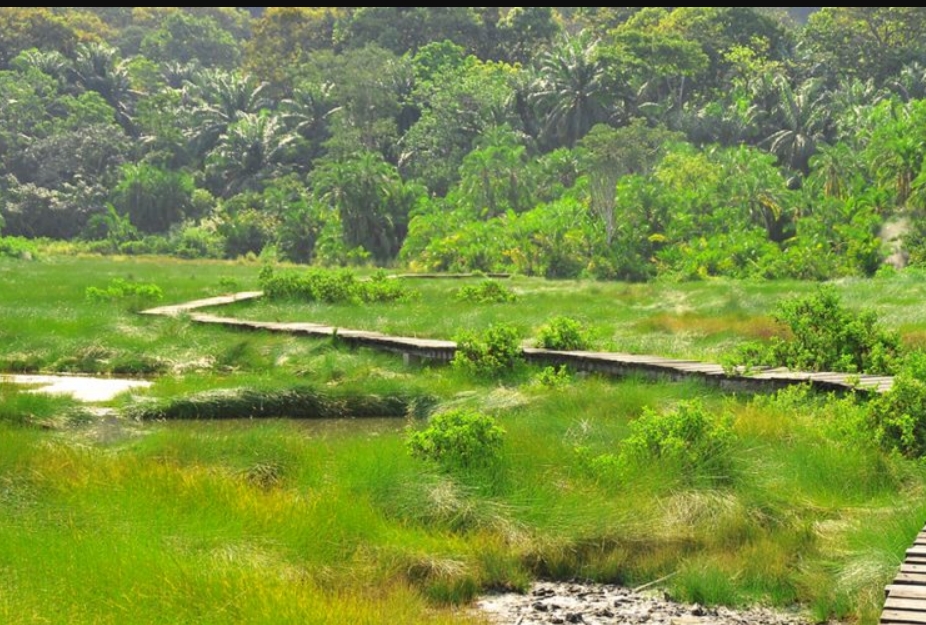
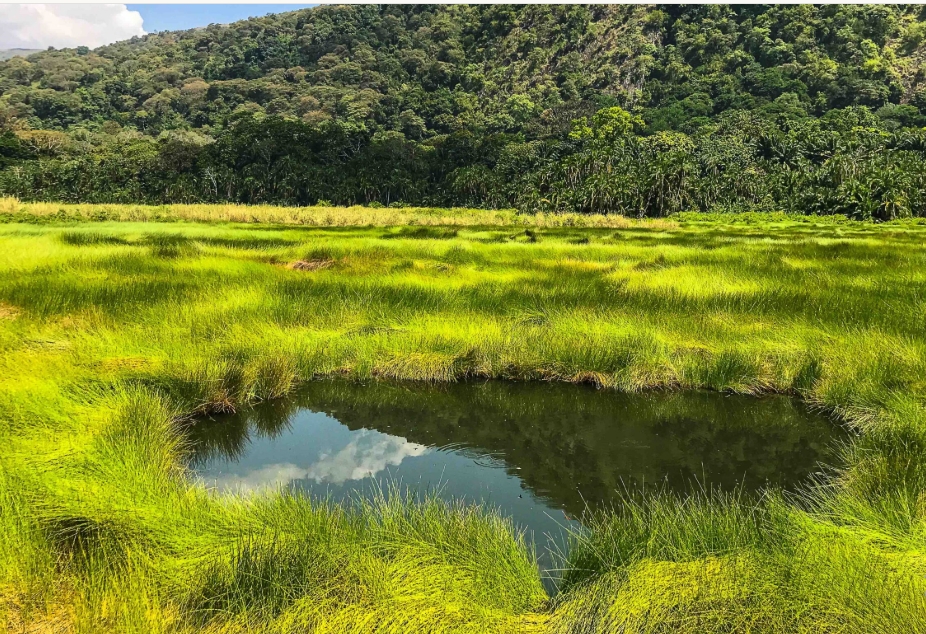
All activities are very possible during the rainy season, but they may not be as effective as those in the dry season since the trekking trails and game tracks are muddy and slick, with heavy rains that may disrupt some activities. More still, the thick vegetation obscures the wildlife views. However, birdwatchers enjoy birding during the months of November to April, when migratory birds are present.
Discounted lodging options are only one of the numerous advantages of going on safari in Queen Elizabeth National Park during the low season. During this season, lodges tend to offer discounts to their clients as a way of attracting them during this off-peak season. It may be possible to get a safari at a lower cost if you schedule your trip to Queen Elizabeth National Park during the off-peak season.
The low season in Queen Elizabeth National Park
The months of March to May and from October to November receive torrential rain in Queen Elizabeth National Park, contributing to its low season. This is so because during this season there is a reduction in visitors number, leading to less crowds, particularly those on a tight budget.
With the exception of birdwatching, the majority of park activities are less popular during the off-peak period. This season is more convenient for birding due to migration of migratory birds and presence of food sources. Since game tracks and trails are muddy and slippery during the wet season, activities like game drives and nature walks are not very enjoyable.
Activities to do in Queen Elizabeth during the low seasons
Bird watching
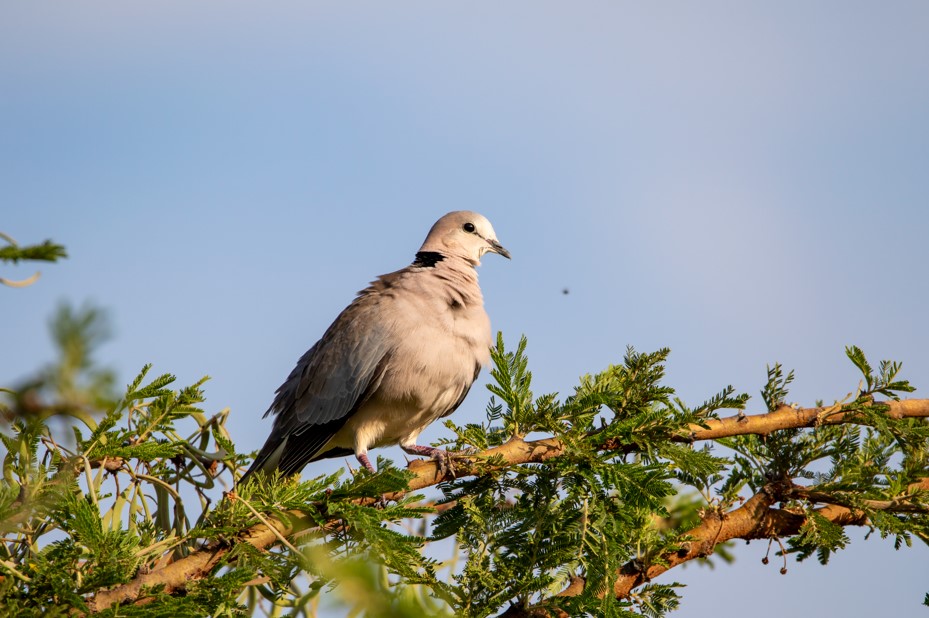
Birdwatching is the best activity to do in Queen Elizabeth National Park when it’s not too busy. During this period, the park attracts more bird species due to the availability of food sources and inflow of migratory bird species. This increases the chance for birdwatchers to spot various birds from their lodge lobbies and within the surroundings.
Migratory birds are always present during the months of December to April.
Several birds can be seen during this period within the park, and these include fawn breasted waxbill, Red-billed paradise flycatcher, crested malimbe, olive sunbird, blackcap puff back, African thrush, plain green bull, grey woodpecker, African golden oriole, magpie manikin, green wood hoopoe, lesser stripped swallow, Wire bibbed swallow, Yellow-billed barbet, velvet mantled drongo, brown capped weaver and others.
Game drives-Visiting Queen Elizabeth National Park
Due to fewer visitors during the off-peak hours, game drives in Queen Elizabeth National Park experience less traffic. During game drives, several wildlife species may be seen during this season since animals dont move long distances seasrching for food, and there is less traffic within the prime spotting areas. More still, these game drives are always conducted during morning hours, evenings, and at night.
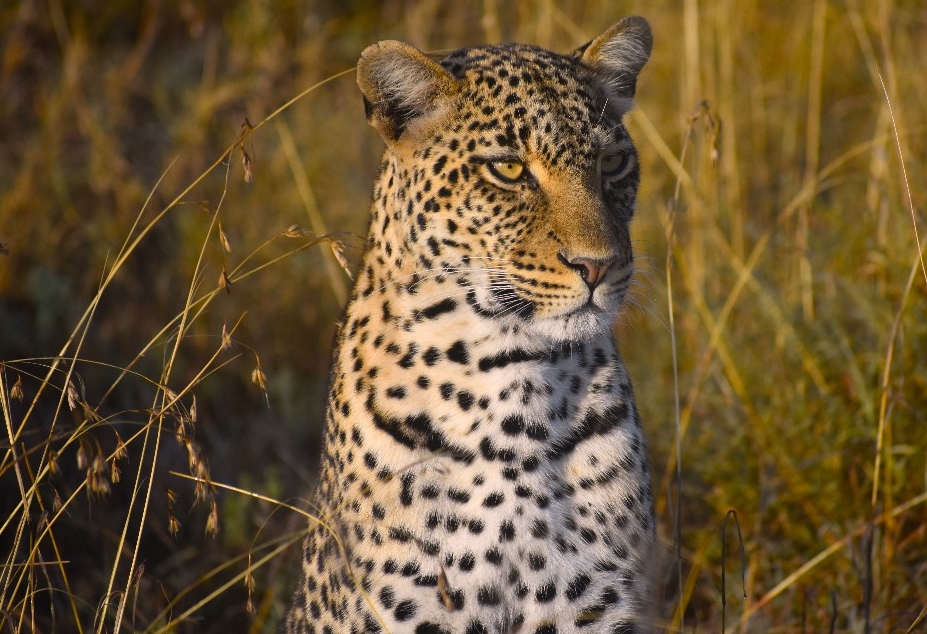
In addition to hippos, lions, elephants, spotted hyenas, sitatungas, deffassa waterbucks, giant forest hogs, Uganda kobs, buffaloes, Nile crocodiles, aardvarks, topis, primates like blue monkeys, olive baboons, and red-tailed monkeys, among others. Travellers can’t miss out on tree-climbing lions only in the Ishasha sector during game drives in the park. Visitors who enjoy birds will be able to spot several birds during game drives.
Chimpanzee trekking
Since there fewer tourists visiting Queen Elizabeth National Park during the low season months, chimpanzee trekking is less crowded. With the assistance of armed guides, a small number of visitors will be able to trek with the endangered chimpanzees in Kyambura Gorge. The trekking trails tend to be slippery, slick, and muddy during the low season, but this wont last long to spot these primates in the gorge due to its small size.
It is quite quick to meet the chimpanzees during the off-peak season since there is plenty of food in the forest, which prevents them from moving around the park excessively. While looking for chimpanzees, visitors can also view birds, primates, and other forest wildlife. Tourists have an hour to spend with the chimps when they are spotted, observe them going about their everyday lives, take photos, and learn about their behaviors.
Boat cruise- Visiting Queen Elizabeth in the Low Season
Tourists tend to enjoy boat cruise tours on the world’s largest water channel during a low-season safari in the park. This exciting 2-hour boat cruise on the channel is always conducted during morning hours and evening hours. Although there is an increase in the water levels in the park’s water bodies during this low season as a result of terrential rains, visitors still have higher chances of spotting several aquatic and bird species along the channel banks.
Species to see along the water channel include crocodiles, monitor lizards, schools of hippos, and birds such as Black-headed Gonolek, Grey-capped warbler, African Shoebill, pin-tailed whydah, Pied Kingfisher, yellow-backed weaver, African shoebill, black-headed gonolek, Diederik cuckoo, lesser masked weaver, and pygmy kingfisher. can be seen by tourists during the low-season boat cruise on the Kazinga channel.
Nature walks
visitors are urged to participate in nature walks while on a safari in Queen Elizabeth National Park. Nature walks are less enjoyable during the rainy or low season than they are during the dry season because of the muddy and slick paths caused by the heavy rainfall.
Armed ranger guides always lead these nature walks, and visitors can exercise their muscles while enjoying sightings of the park’s unique wildlife species through the park during nature treks. Visitors can witness sightviewing during nature walks, including Lake Edward, Lake George, explosion craters, and many plant species. Several wildlife species will be seen, such as buffalo, elephants, Uganda kobs, olive baboons, buffaloes, sitatungas, topis, waterbucks, primates, and several birds.
Things to pack for Queen Elizabeth National Park safari in the low season
We will examine some of the most important items to bring on a safari to Queen Elizabeth National Park in the off-season. Since there is a lot of rainfall during the off-peak months, visitors should bring binoculars, rain gear, waterproof hiking shoes, long cotton stockings, a camera, long-sleeved shirts, long-sleeved pants, and gaiters. A light backpack, drinking water bottle, hat, sunscreen, toiletries, insect repellents, sanitizer, a first aid kit, and energy-boosting foods, among others.