What Makes Queen Elizabeth National Park Unique
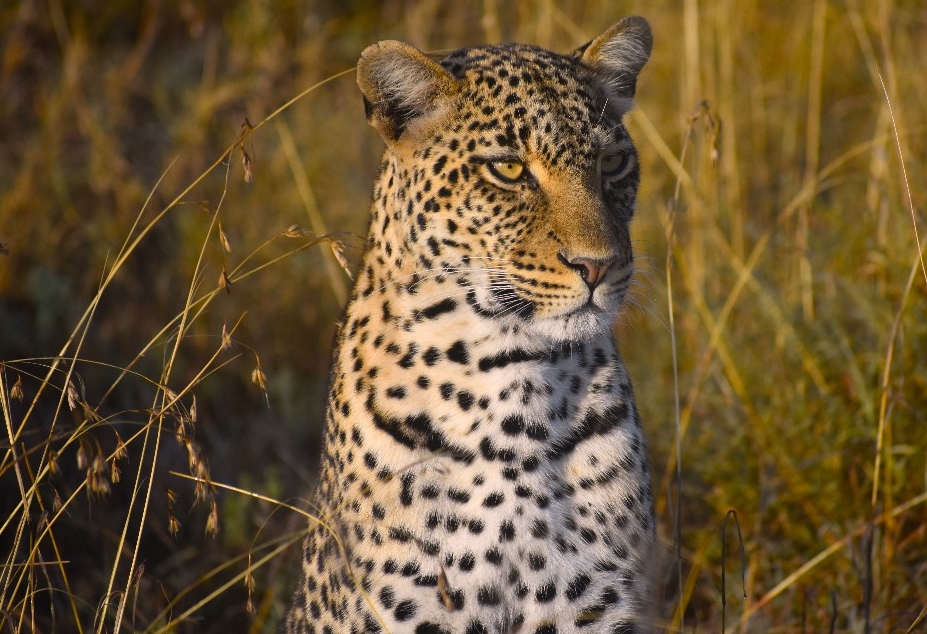
Many tourists traveling to Uganda often wonder what makes Queen Elizabeth National Park unique, and this article will help you understand why it should be added to your bucket list. Located in southwestern Uganda, the park covers over 1,979 square kilometers and is one of the most visited parks in the country. Its stunning landscapes and diverse biodiversity provide habitats for over 96 mammal species, including the African Big Four: leopards, lions, buffaloes, and elephants. Additionally, the park is home to hippos, hyenas, warthogs, Uganda kobs, Tree-climbing lions and around 600 bird species. Birdwatchers will find it a haven, spotting species such as the croaking cisticola, lesser and greater flamingos, avocet, greenshank, and southern red bishop. The park also hosts more than 10 primate species, including chimpanzees, white and black colobus monkeys, and L’Hoest’s monkeys. For butterfly enthusiasts, the park boasts over 60 species of butterflies that add to its beauty.
A highlight of the park is the presence of tree-climbing lions, which can only be found in Queen Elizabeth National Park and Lake Manyara in Tanzania. These lions can be seen in the Ishasha sector, where cubs climb trees and adult lions rest on branches, keeping an eye on their territories and searching for prey. The Kazinga Channel, a 32-kilometer waterway that connects Lake Edward and Lake George, offers a unique boat cruise experience. This leisurely cruise allows visitors to enjoy nature while observing various animals and birds, making Queen Elizabeth National Park truly special. If you’re planning an authentic African safari, adding Queen Elizabeth National Park to your list is highly recommended. It promises to be an unforgettable experience.
Things That Make Queen Elizabeth National Park Unique.
Crater Lakes.
Queen Elizabeth National Park is unique due to its stunning crater lakes, which were formed as a result of violent volcanic eruptions that occurred thousands of years ago. These eruptions, caused by molten lava meeting groundwater, blew off the tops of volcanoes, leaving behind large basins or craters. Over time, these basins filled with water, creating the beautiful crater lakes we see today, including Lake Katwe, a salt lake; Lake Nyamunuka; Lake Bunyaruguru; Lake Nkuruba; and Lake Nyabiker, among others. These lakes serve as breeding grounds for various animal and bird species and provide a vital water source for the park’s inhabitants. When you visit these crater lakes, you will observe different animals drinking from the water while enjoying the melodious songs of the birds, making this experience truly memorable.
Kazinga Channel.
The Kazinga Channel is a 32-kilometer long waterway that connects Lake Edward and Lake George in Queen Elizabeth National Park. This channel is truly unique, home to over 16000 hippos and more than 50 bird species, serving as a vital water source for the park’s inhabitants. A boat cruise on the Kazinga Channel offers an amazing opportunity to observe nature while relaxing and taking in the park’s beauty. During the cruise, you’ll have the chance to see schools of hippos swimming, crocodiles basking in the sun, and elephants and hippos drinking or bathing. Bird lovers will delight in hearing the beautiful songs of various water birds. This is an incredible experience and a must-do activity for anyone seeking a true African safari adventure.
Tree Climbing Lions in Ishasha Sector
The tree-climbing lions are what make Queen Elizabeth National Park unique, as they are found only in Uganda and Tanzania in East Africa. The rarity of these lions being able to climb trees is fascinating and attracts tourists from around the world who want to witness this incredible behavior. Visitors have the opportunity to see cubs climbing trees and lions relaxing in the branches of fig trees while they monitor their territory and look for prey below. This experience is truly special and a must-do activity during your Ugandan safari.
Game Drives- What Makes Queen Elizabeth National Park Unique
Game drives in Queen Elizabeth National Park are one of the top attractions for tourists, allowing them to search for the Big Four and a variety of bird species. The incredible diversity of wildlife makes these game drives a must-do for safari enthusiasts. They are conducted in 4×4 open pop-up vehicles, which provide excellent visibility for wildlife viewing. Experienced driver-guides enhance the experience by sharing valuable information about the animals and birds encountered during the tour. Game drives are available in the morning, evening, and at night, each offering a memorable and authentic African safari experience.
The beautiful Landscape
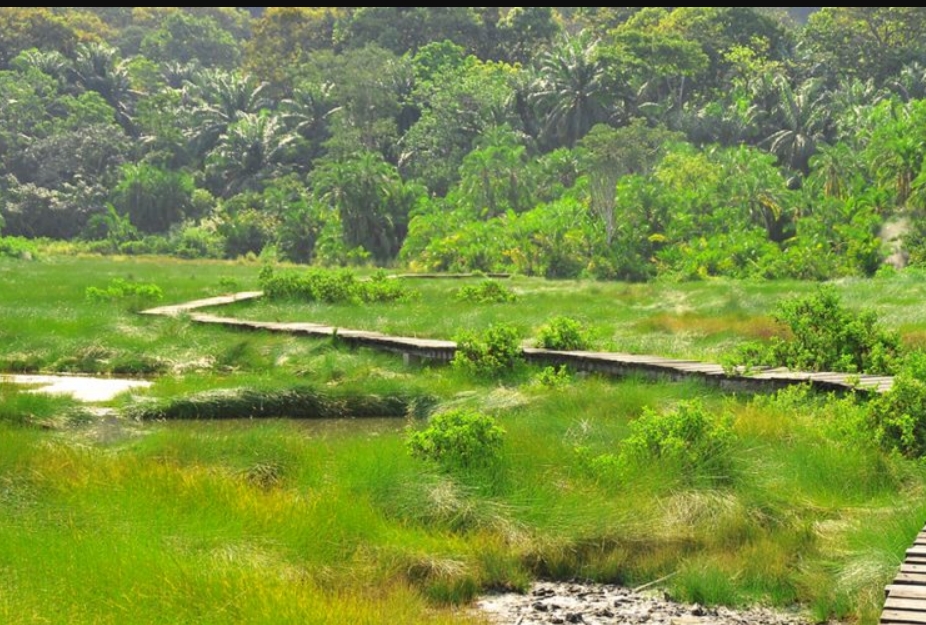
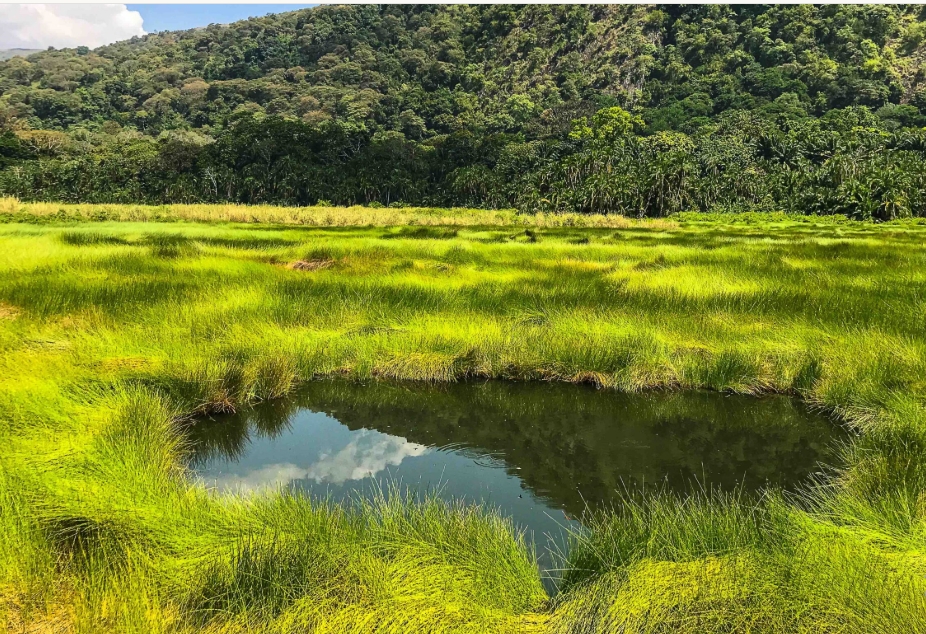
The park features a breathtaking landscape that is unmatched anywhere else in East Africa. Its unique and diverse terrains include wetlands, woodlands, dense forests, and grasslands. These ecosystems provide habitats for a variety of wildlife, including numerous species of mammals, reptiles, butterflies, and birds. This rich biodiversity makes Queen Elizabeth National Park a remarkable destination that attracts visitors from all around the world.
Bird species- What Makes Queen Elizabeth National Park Unique
Queen Elizabeth National Park is a paradise for birders, boasting over 600 bird species, including forest, woodland, aquatic, and migratory birds. This remarkable diversity makes it home to the largest checklist of bird species in the country, making it a must-visit destination for bird enthusiasts.
While exploring the park, you can spot a variety of birds, such as the Papyrus Gonolek, Great Swamp Warbler, Pink-backed Pelican, Malachite Kingfisher, Carruther’s Cisticola, Pied Kingfisher, Common Squacco Heron, Saddle-billed Stork, African Jacana, Sacred Ibis, Ross’s Turaco, Broad-billed Roller, Double-toothed Barbet, Striped Kingfisher, Greater Honeyguide, Brown Snake Eagle, Grey-backed Fiscal, Green Crombec, and Lappet-faced Vulture, among others. This unique array of bird species truly makes Queen Elizabeth National Park a one-of-a-kind destination for birders, ensuring a rewarding experience for all who visit.