Mammals of Queen Elizabeth National Park.
Mammals of Queen Elizabeth National Park, which is one of the top-rated tourist destinations and a diverse conservation area, not only in Uganda but Africa as well. The park has a rich biodiversity, with a varied wildlife setting characterised by unique species, including mammals, primates, bird species, reptiles and amphibians. This park was gazetted in 1952 to preserve its ecosystems and is home to over 95 mammals, about 10 primate species, and 600 bird species. These unique wildlife species have found conducive surroundings and comfortable homes in the classic savannahs of this protected area that spans over 1978 km.
Mammals of Queen Elizabeth national park
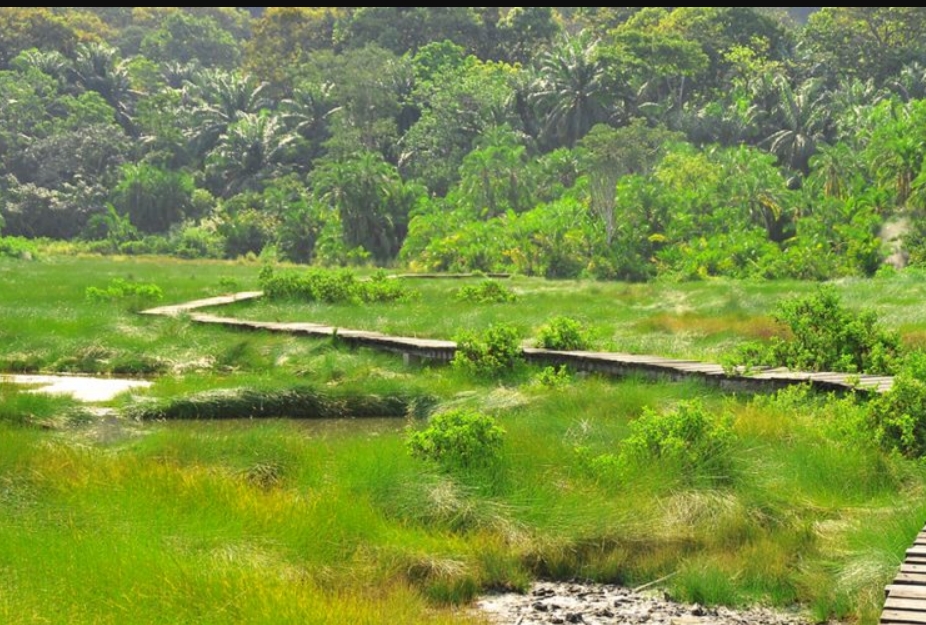
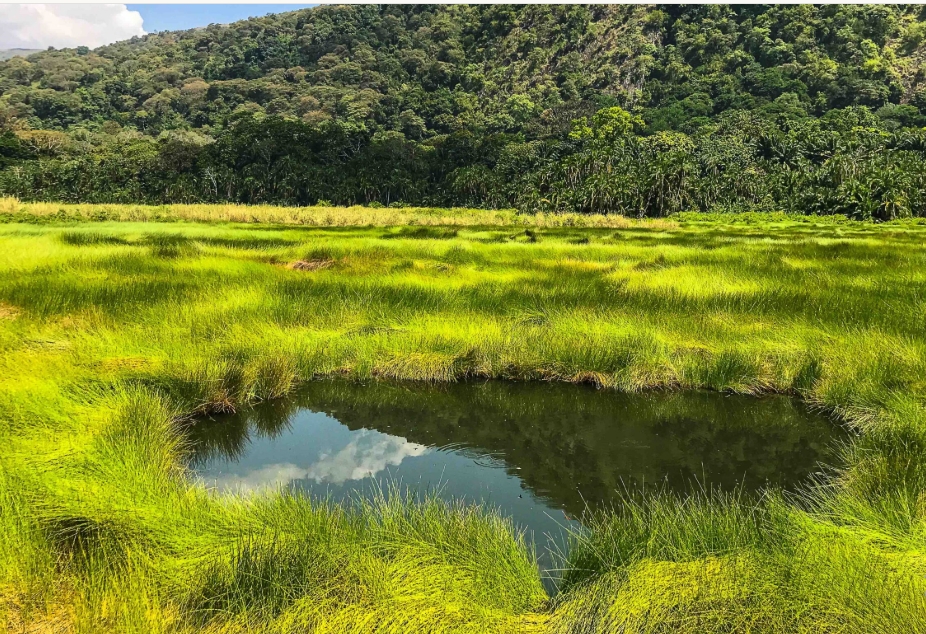
The park inhabits about 95 mammals recorded in different sectors that form the entire Queen Elizabeth Park. These sectors include kasenyi Plains, Maramagambo forest, Mweya Peninsula, Ishasha sector, and Kyambura Gorge. All these sectors have a diversity of habitats ranging from savannah grasslands, woodlands, marshes and water bodies that provide mammals with plenty of food, water and safety.
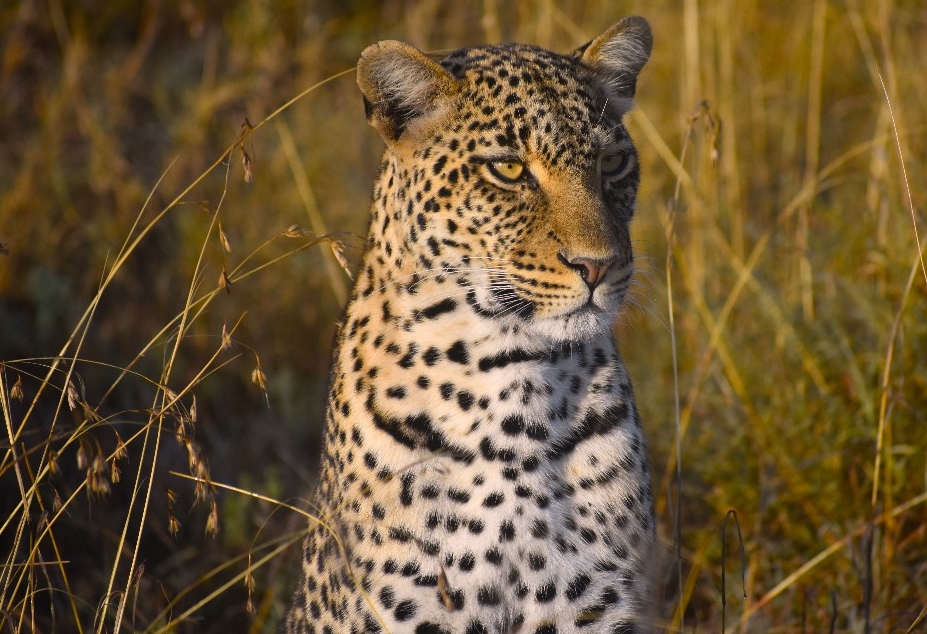
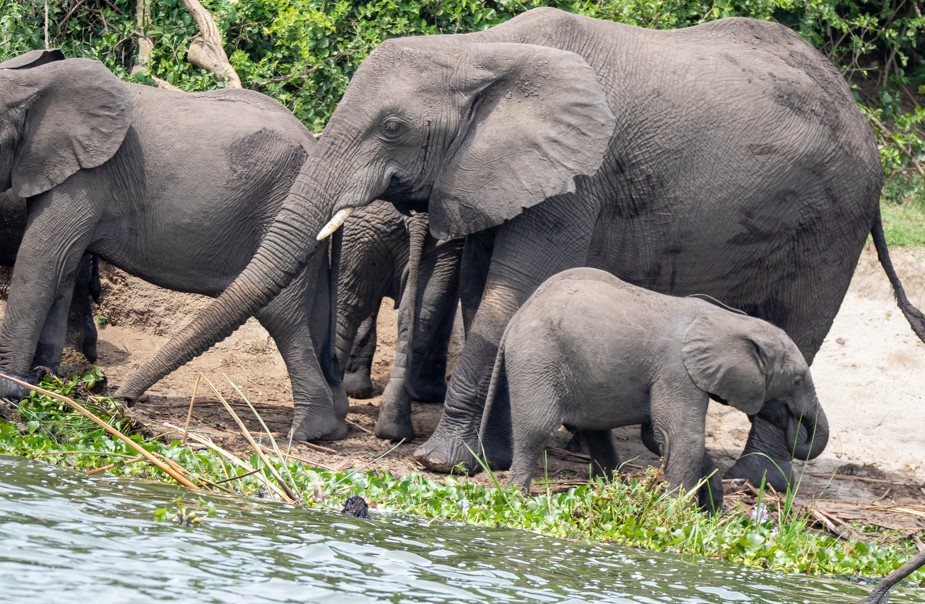
Lions, buffaloes, leopards, and elephants are the big five creatures found in Queen Elizabeth National Park. Sitatungas, topis, defassa waterbucks, bushbucks, spotted hyenas, Aardvarks, Nile crocodiles, hippos, gigantic forest pigs, small spotted genets, serval cats, Uganda kobs, banded mongoose, side-striped jackals, and several more mammals are also included in this list. The greatest times to see these mammals are on game drives, nature hikes, and even boat cruises on the Kazinga Channel.
Primates
The park Park has over 10 primate species, where the biggest number inhabits the lush jungle of Kyambura Gorge and the thick Maramagambo Forest. These primates include chimapnzees, L’hoest Monkey, Grey-cheeked mangabey, blue monkey, Red-tailed monkey, black and white colobus monkeys, among Olive baboons.
In Queen Elizabeth National Park, you can take nature hikes to wooded places like Kyambura Gorge and Maramagambo Forest, where primates reside on tree branches, to see the primates. Chimpanzee trekking in Kyambura Gorge is the alternative activity since you will encounter several primates while searching for the chimps. During your boat cruise safari on the Kazinga Channel, visitors can still see some primates as some prefer to remain in riverine vegetation areas
Birds-Mammals of Queen Elizabeth National Park
Queen Elizabeth National Park is one of Uganda’s top birding destinations, with over 600 bird species identified in its many regions. During guided nature walks in locations like Katwe, Katunguru bridge, Ishasha sector, Mweya sector, Maramagambo Woodland, Kazinga channel, and Kyambura gorge, to name a few, visitors can observe the birds of Queen Elizabeth National Park.
Bird species in the park include the Great Cormorant, African fish Eagle, Malachite Kingfisher, yellow-billed stork, Pied kingfisher, Black-headed Gonolek, long-crested eagle, white-browed coucal, Black-headed Weaver, Water thick-knee, Red-necked Francolin, Wattled lapwing, pink-backed pelican, marabou stork, palm nut vulture, great cormorant, African jacana, Yellow-throated longclaw, and black-winged stilt are among others.
Martial Eagle, Grey kestrel, Black crake, Grey crowned Crane, pin-tailed whydah, crowned lapwing, white-backed vulture, saddle-billed stork, Rüppell’s starling, speckled mousebird, goliath heron, black-headed heron, White-backed Vulture, grey-backed fiscal, slender-billed weaver, swamp flycatcher, sooty cat, bateleur, Black-bellied bustard, and Lesser Black-headed gull, Marsh Sandpiper, Kittlitz’s Plover, three-banded plover, Grey Heron black-winged kite, Rufous-naped lark, northern grey-headed sparrow, helmeted guineafowl, laughing dove, brown snake eagle, Egyptian Rousette, common greenshank, African Harrier Hawk, Ruppell’s Starling, and Laughing Dove.
Best way to see wildlife in Queen Elizabeth National park
Game drives
On a safari at Queen Elizabeth National Park, participating in game drives will enable you to see a variety of species, particularly mammals. Morning, evening, and nighttime game drives are held; the daytime drives are free, while the nighttime drives are paid. Mammals to see in the park include buffaloes, Jackals, Side-striped jackals, spotted hyenas, elephants, banded mongooses, giant forest hogs, lions, topis, sitatungas, leopards, Uganda Kobs, defassa waterbucks, bushbucks, Uganda kobs, as visitors can witness during the game drives.
Birdwatching
Nature trails are used for birdwatching activities, which are designed especially for those who wish to observe the birds of Queen Elizabeth National Park. Other birding locations, include Katwe area, Ishasha, Kasenyi plains, Katunguru, Mweya Peninsula, and Kazinga Channel. Birds to see include the iconic Shoebill stork, African Palm Swift, African pygmy goose, Senegal coucal, striated heron, red-knobbed coot, slender-tailed nightjar, yellow-billed, Harlequin quill, Red-billed Duck, Red flamingo, African olive pigeon, garganey, hottentot teal, Red-billed teal, intermediate egret, and red-necked spurfowl.
Boat cruise- Mammals of Queen Elizabeth National Park
The Kazinga Channel, a chain of water channels which connects Lake George to Lake Edward in the park, offers boat ride excursions. here, visitors will enjoy seeing several aquatic, terrestrial, and avian species, among others. Other species to see include Monitor lizards, crocodiles, hippos, and several water birds, such as shoebills, Pied Kingfishers, African Fish Eagles, Lesser flamingos, and Pied kingfishers, as well as park animals like vervet monkeys, and black and white colobus monkeys red-tailed monkeys,, in addition to buffaloes, elephants, and antelopes, they can all be seen by tourists on a boat cruise on the Kazinga Channel.
Nature walks
One of the best ways for visitors to enjoy the Park’s unique wildlife is to go for a nature walk. This guided tour is led ill take you around the park premises as you connect with nature’s serenity and tranquility. During 2–3-hour nature hikes, visitors can observe various mammal, primate, and bird species.
Best time for wildlife viewing in Queen Elizabeth national park
Although Queen Elizabeth National Park is open year-round, some times of the year are supposedly better than others. The greatest time to see animals is during the dry season, which runs from June to September and December to February. The roads going to the park are in good condition, the foliage is sparse, and the game trucks are dry because of the little to no rainfall that occurs during these months.
During the rainy season, tourists can still visit Queen Elizabeth National Park to see animals, which benefits low-budget travellers because many accommodations and other items are discounted. However, during the rainy season, which runs from March to November, makes some roads slipperly which leads to impassable tracks, making it hard to access some park wildlife areas.
Accommodation
Numerous lodging alternatives are available in Queen Elizabeth National Park, categorised as affordable, mid-range, and luxury. Safari visitors to this park are guaranteed a place to stay, and it is best to reserve your lodge well in advance to secure one of your preferred options. These include Enjojo Lodge, Kyambura Gorge lodge, Kazinga Channel View Resort, Topi Lodge, Ishasha Jungle Lodge, Elephant Hub Lodge, Elephant Plains Lodge, Mweya Safari Lodge, Enganzi Game Lodge, Ishasha Wilderness Camp, River Ishasha Safari Camp, Marafiki Safari Lodge, Bullbush River Cam, Jacana Safari Lodge Tembo Safari Lodge, Katara Lodge.