The Equator Experience in Queen Elizabeth National Park
The Equator Experience in Queen Elizabeth National Park: The park offers an equator crossing experience where travellers can stand on this imaginary line with one foot in the North Pole and the other in the South Pole at 0 degrees, a landmark which is at Zero degrees on the planet. This imaginary line passes through several countries, including Uganda to several places including Queen Elizabeth National Park. The park is one of the popular protected areas in Uganda known for its rich biodiversity, diverse wildlife species, natural beauty and breathtaking landscape. The equator is located at Kikorongo, marked by a monumental sculpture that offers photo opportunities to visitors visiting the park.
In Uganda, equator experiences are typically done at to Kayabwe, which is located on Masaka Road, and Kikorongo, which is located in Queen Elizabeth National Park. The equator crosses Queen Elizabeth National Park near Kikongoro, Kasese district, on the park’s northern edge. This land mark is visible to visitors who access the park via the northern access from Kasese and Fort Portal.
One thing you shouldn’t miss on a safari at Queen Elizabeth Park is seeing the equator. This is because its a rare land mark that goes through only 11 countries eles where in the world. A trip to the equator can always be arranged by your tour operator during nature walks or following game drives in the Kasenyi plains.
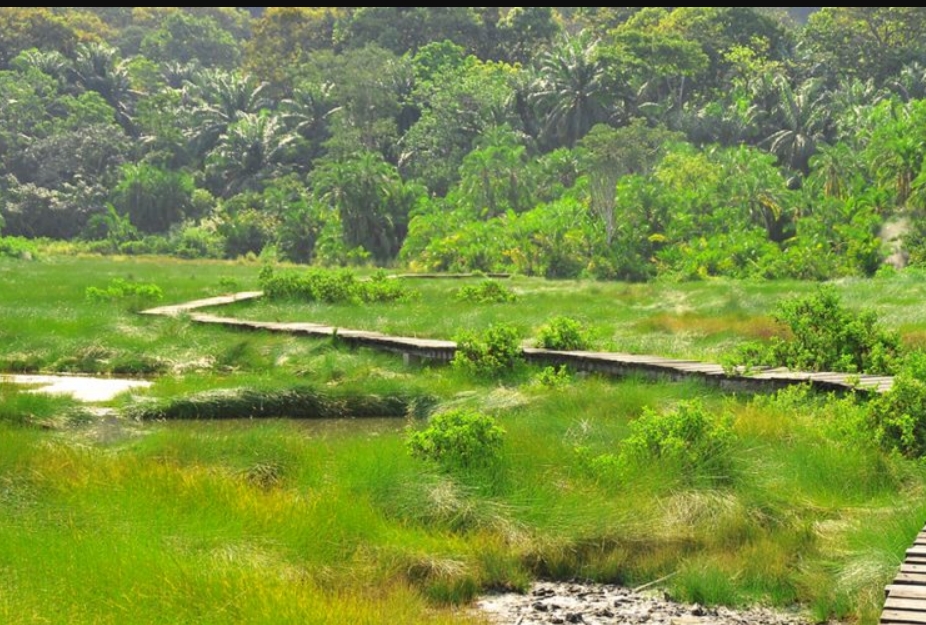
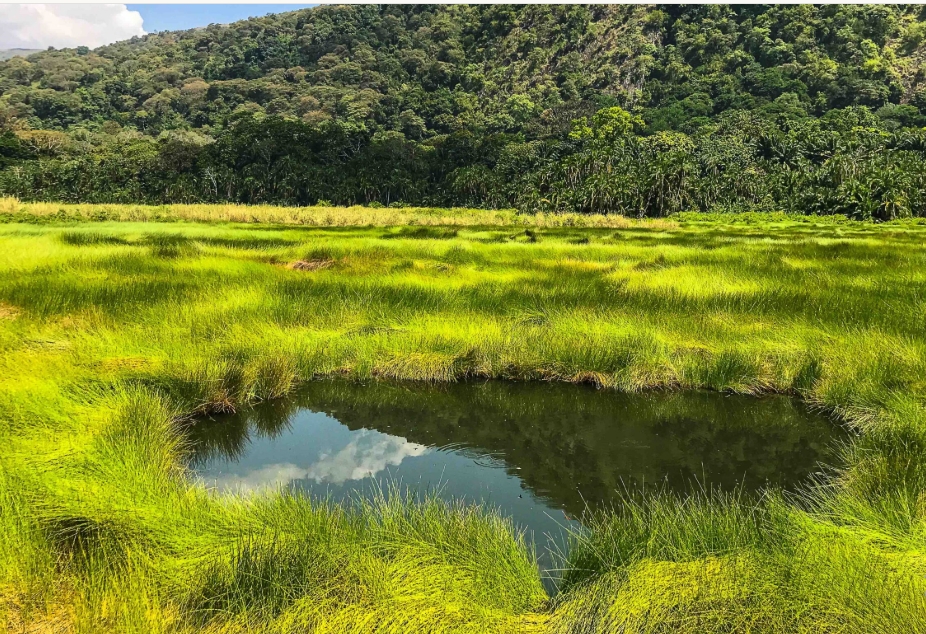
In Queen Elizabeth National Park, the equator line can be seen when taking nature walks over the Kasenyi grasslands. You may learn about various aspects of the world by visiting the equator. You can also stand in both the northern and the southern hemispheres simultaneously, and after the safari is over, you can take pictures to save your memories.
You may also enjoy entertainment from the Kikorongo dancing group, who perform traditional music and tell you stories, as you visit the equator in Queen Elizabeth National Park. Visitors can purchase handcrafted gifts and support Kikongoro women cooperatives at the neighboring market centre.
Getting to the equator
Driving or flying to the equator is possible from the Kasese area in the northern section of Queen Elizabeth National Park. By road, visitors can reach the equator by travelling from Kampala to the northern part of the park via Mubende, Kyenjojo, Fort Portal, and Kasese. It takes seven to eight hours to get from Kampala to the equator in Queen Elizabeth.
Visitors can still get to the equator in Queen Elizabeth National Park by flying to Mweya airstrip. This is the fastest way to the equator and Queen Elizabeth National Park, taking one hour and fifteen minutes. Aerolink Uganda and Bar Aviation Uganda provide flights to Mweya Airstrip or Kasese Airstrip from Entebbe International Airport and Kajjansi Airstrip.
Other attractions in Queen Elizabeth National Park
Wild animals
There are 95 animal species and 10 primate species in Queen Elizabeth Park, which are found in various parts of the park’s savannah environment. Several wildlife species can be seen extensively during activities like nature walks, game drives, and boat cruises, among others. In the eastern part of the park, in the Kyambura Gorge, chimpanzees can be observed during chimpanzee trekking.
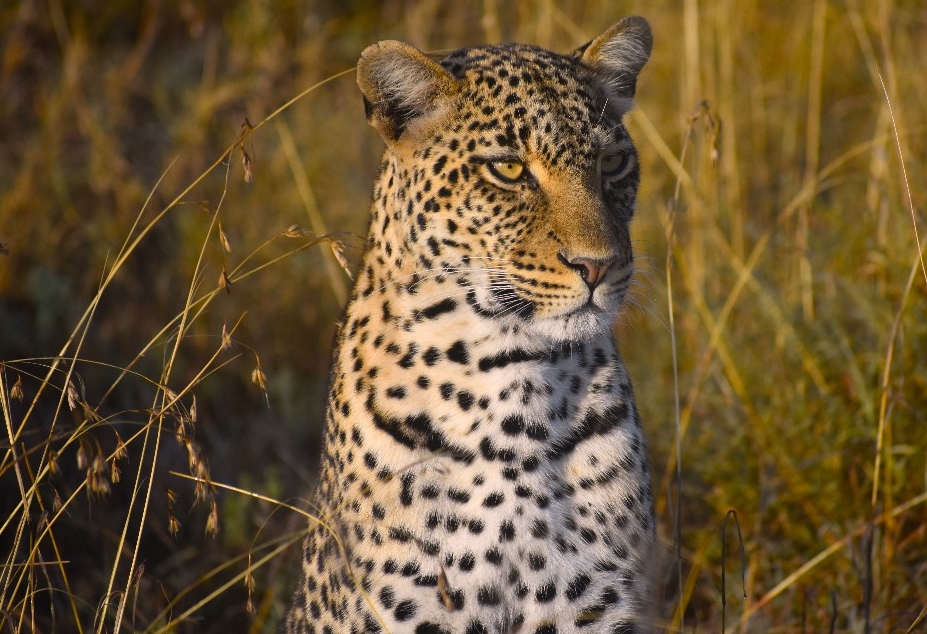
Mammals to see in the park include elephants, spotted hyenas, hippos, buffaloes, topis, Uganda kobs, lions, leopards, banded mongooses, side-striped jackals, elephants, giant forest hogs, sitatungas, small-spotted genets, banded mongooses, defassa waterbucks, bushbucks, aardvarks, Nile crocodiles, serval cats, and others. primates to see include Chimpanzees, red-tailed monkeys, blue monkeys, olive baboons, l’hoest’s monkeys, red-tailed monkeys, black and white colobus monkeys, and grey-cheeked mangabeys.
Birds- Equator Experience in Queen Elizabeth National Park
With more than 600 bird species, Queen Elizabeth National Park is one of Uganda’s top places to go birdwatching. The savannah, forest, and riverine vegetation encompass various parts of the park, including Ishasha, the Mweya peninsula, Lake Likorongo, Katunguru bridge, and the Kasenyi plains, which are home to the bird species.
Birds to see include the crested malimbe, African Pied hornbill, Yellow-billed Barbet, scary-throated honeyguide, swallow bee-eater,magpie manikin, rufous-breasted wryneck, piping hornbill, double-toothed barbet, red-throated bee-eater, African thrush, little green bull, hairy-breasted barbet, bearded woodpecker, grey woodpecker, cut-throat finch, black saw wing, grey-throated barbet, western green tinker bird, red-rumped tinker bird, wire bibbed swallow, spot-flanked barbet, and are a few of the birds found in Queen Elizabeth Park. southern carmine bee-eater, African golden oriole, white shrike flycatcher, red-tailed ant thrush, fork-tailed drongo, northern fiscal, northern house martin, grey-backed paradise flycatcher, red-billed paradise flycatcher, common waxbill, Angolan swallow, lesser striped swallow, olive sunbird, pale flycatcher, purple banded sunbird, plain green bull, fawn-breasted waxbill, and others.
Water bodies
The three main water bodies in the park include Lake George, Lake Edward, and the Kazinga channel, among others.
Tourists can visit these lakes and take in the various attractions by taking a boat excursion. Tourists have the opportunity to witness fish, crocodiles, and hippos while on the boat excursion. Other Park creatures include antelopes, buffaloes, monkeys, elephants, and birds such as the yellow-billed stork, papyrus gonolek, African skimmer, and martial eagle.
Best time to visit- Equator Experience in Queen Elizabeth National Park
Although Queen Elizabeth Park is open year-round, some months are better than others for visits. The dry season, which runs from the dry months of June to September and December to February, offers the best time to visit the park. During this season, the roads heading to the park are accessible due to good weather; the vegetation is scattered and short, making the trekking trails dry and passable due to intermittent rainfall.
However, During the wet season, which involves months that run from March to May and from October to November, it is still possible for visitors to visit Queen Elizabeth National Park. This is more convenient for budget travellers, whereby some lodges tend to give out discounts due to the low crowds. However, roads leading to the park are always subject to mud with slippery trails.