Best Way to Access Queen Elizabeth Park
The best way to access Queen Elizabeth Park is by the transport and air transport. The park is in southwestern Uganda, covering the districts of Rukungiri, Kamwenge, and Rubirizi. Visitors can travel from Entebbe, Kampala, or other parks like Bwindi and Murchison using flights or road transport. It is about 375 to 425 km from Kampala, taking around 7 to 8 hours by road, with potential stops and delays along the way. The Ishasha Plains, known for tree-climbing lions, is a 2-hour drive from the popular gorilla trekking area in the Buhoma sector of Bwindi National Park.
Queen Elizabeth National Park is Uganda’s most popular park, famous for its tree-climbing lions and diverse landscapes like crater lakes and savannah plains. It attracts many tourists each year and features activities such as guided nature walks, boat rides on the Kazinga Channel, game drives, chimpanzee tracking, birdwatching, and visits to ancient mines and salt lakes. The park is located southwest of Kampala, near Kasese, and can be reached by a short flight from Entebbe.
The Best way to access Queen Elizabeth Park
By Road Transport
Visitors can reach Queen Elizabeth National Park by traveling 410 kilometers from Kampala via the Mubende-Fort Portal to Kasese route or 420 kilometers from Kampala/Entebbe through the Masaka-Mbarara-Bushenyi route. The Mweya Peninsula is 22 kilometers from Bushenyi. Travel by road is necessary from both the southern and northern routes to access the park.
By Flights
Enter Uganda at Entebbe International Airport (EBB), which is located 46 kilometers/29 miles from Kampala. Usually, your safari package includes airport pickup and other transportation arrangements made by your tour operator. You can take scheduled or charter flights from EBB or Kajjansi Airfield to nearby airstrips like Kasese, Mweya, or Kihihi (for Ishasha). Your travel operator often makes these flight reservations. Scheduled flights are serviced by airline companies such as Aero Link Uganda, Bar Aviation Uganda, and Kampala Executive Aviation, which offer regular flights to Kihihi, Kisoro, Mweya, Murchison Falls Park, and Kasese from Entebbe.
The top spots that attract tourists in Queen Elizabeth National Park
Encircled by breathtaking water features, the Mweya Peninsula is one of the park’s most well-known and popular places in Queen Elizabeth National Park famous for night game drives. The peninsula provides a variety of fascinating and unusual adventure activities, such as tracking mongooses, nature walks, wildlife viewing, and birdwatching. The park’s other attractions include the breathtaking Kazinga channel, which links Lake George and Lake Edward; the Kasenyi Plains, which are home to a variety of wildlife species; Kyambura Gorge, which is a deep valley for intelligent chimpanzees; the Ishasha sector in the southern sector, which is well-known for its tree-climbing lions; and the Katwe salt mining community visit in Katwe, among others.
The Big Five experience in the Park
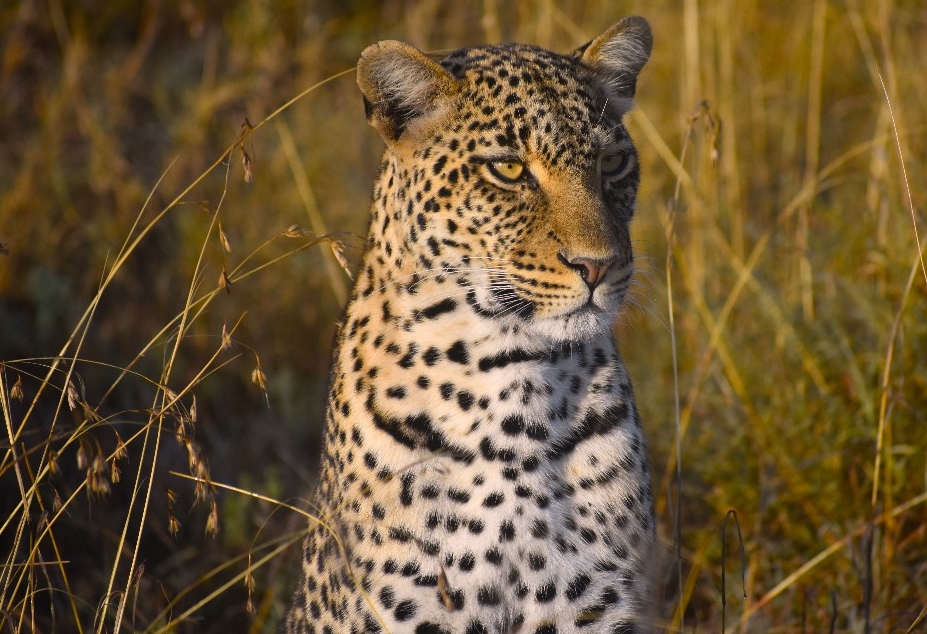
This is used to describe the deadliest creatures or large game to hunt, including buffalo, lions, elephants, leopards, and rhinos. However, the park offers sightings of the other members of the Big Five in addition to the rhino. Ziwa Rhino Sanctuary, which is home to southern white rhinos in Uganda, Kidepo Valley National Park, and Murchison Falls National Park, are other savannah areas that have members of the Big Five.
Accommodation in Queen Elizabeth National Park
Accommodation in the park includes Engiri Game Lodge, Park View Safari Lodge, Topi Safari Lodge, Elephant Plains, Katara Lodge, Elephant Hub, Enjojo Safari Lodge, Mweya Safari Lodge, Kyambura Gorge Lodge, Pumba Safari Cottages, Walujojo Safari Lodge, Irungu Forest Lodge, Buffalo Safari Lodge, Eganzi game Lodge and campsite, Aardvark Safari Lodge, Enshama Game Lodge, Bush Lodge, Twin Lakes Safari Lodge, among others.
The Best Time to Visit the Park
The park is open all year round, though certain months seem to be better than others. The dry season, which runs from June to September and December to February, is always the best time to visit the park because of the clear weather and minimal rainfall. This allows for tracking trails with short vegetation covers that provide wildlife with picturesque views. During the rainy season, which runs from March to May and October to November, the park is also accessible. However, because of the intense rainfall during these months, the roadways may become muddy, wet, and treacherous. This rainy season has a lot of vegetation, which might make it difficult to see the sky and wildlife.