Budongo’s Puvel’s Illadopsis
The Budongo’s Puvel’s Illadopsis is (illadopsis puveli) a unique, small-sized, colored babbler bird species that belongs to the Pellorneidae family. It is a rare species that is found in the tropical rainforests of West and Central Africa. Compared to other illadopsises with pale or brown breasts, the bird species has lighter underpants. They have special calls, characterised by a higher pitch which is not common, but containing more notes in series. Its horizontal range gap extends across the tropical rainforest, particularly in west Africa in countries like Benin, Cameroon, and the Democratic Republic of Congo, among others.
Habitats and Distribution
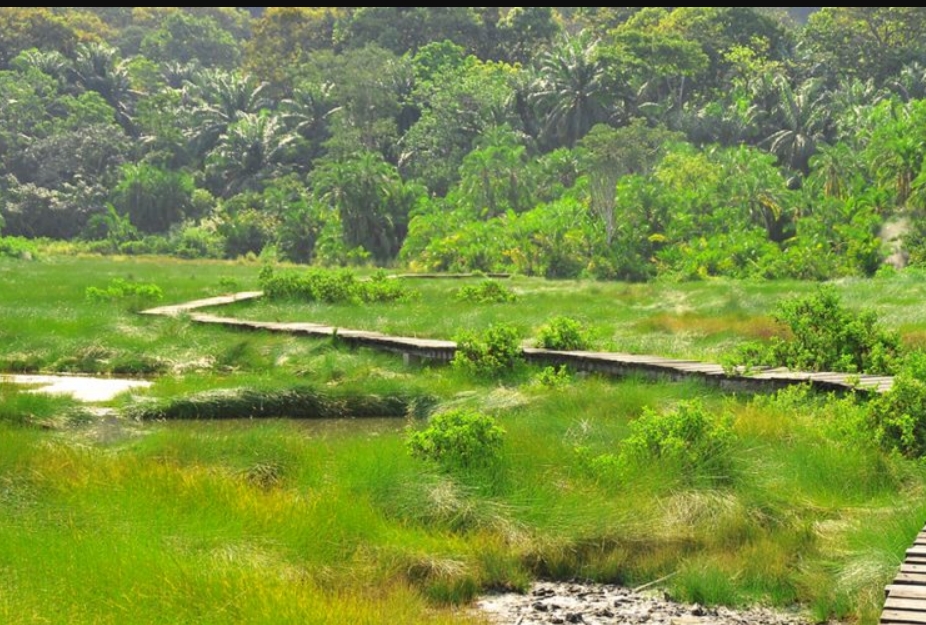
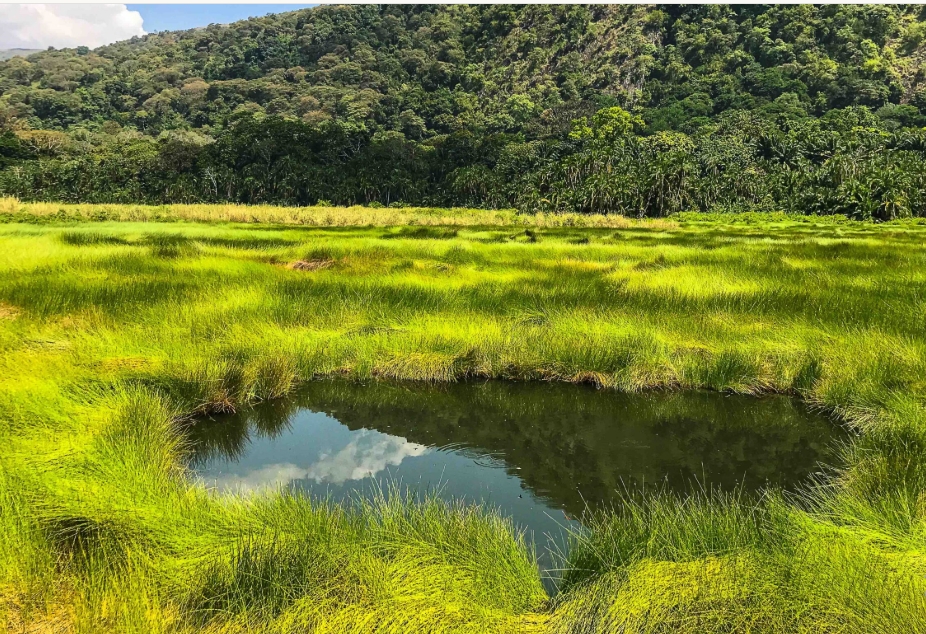
Known to inhabit tropical lowland rainforests with damp shrubland, deep thickets, and tangled vegetation, this small, thick, and brilliantly coloured babbler stealthily lurks around. This kind of bird, which is a member of the Pellorneidae family, is renowned for being cunning, timid, and enigmatic. It is a rare species in East Africa and can only be found in Budongo Forest. It takes time to see it unless your avid birders who are used to the forest and its area of concentration.
It is commonly seen in the northern part of Budongo Forest sector within Murchison Falls National Park. This bird species is regularly found in an isolated spot at an elevation range of 1100 meters. It has pale grey underpants, splashed with polish and a white throat. Like other Illadopsises, the primary means of identifying and differentiating these birds is by their sounds. The characteristics of the endemic Puvel’s Illadopsis greatly influence its range.
The Puvel’s Illadopsis is in one of its territories in Kaniyo Pabidi, Budongo Forest Reserve, and Murchison Falls National Park. Puvel’s Illadopsis is found in forests and their edges. It can only be found in Uganda and is endemic to the Budongo Forest in Murchison Falls National Park, making it unique to East Africa. It can be found in other parts of Central Africa, but because it is so uncommon, nature enthusiasts and birdwatchers are curious to see it. The Puvel’s Illadopsis is widely spread in emerald jungles of Africa, where its distribution range is horizontally interrupted.
These include rainforests, sub-tropical rainforests, and moist shrubs. These areas are characterised by thick vegetation, shrubs with tiny trees, primarily with tiny trees. Due to their small spots and the nature of habitats, their chicks are protected from threats, especially predators.
Characteristics
The Puvel’s Illadopsis, or Illadopsis puveli, is a small, plump bird with a long tail. Its white-yellow throat and belly contrast with its buffy-brown breast and flanks. They feed visually on the ground, where they look for insects among the fallen logs and leaf litter, and are always seen in small groups. The closest relative of this species is the Rufous-winged Illadopsis, which is slightly larger, usually has buffy underparts, and lives in a different habitat.
Vocalisation
Compared to other illadopsises with pale or brown breasts, the bird species has lighter underpants. They have special calls, characterised by a higher pitch which is not common, but containing more notes in series.
Listen for numerous whistles blowing in an upward and downward pattern when you’re out in the field. The vocalisation is a melodic series of rising and falling, explosive, hollow-sounding notes that follow a steady pattern despite some variation in pace and note count. Its vocalisation is defined by notes such as “Tink-tink ching chi chi ching “. The sound notes are higher and more inconsistent compared to other species such as the Rufous-winged Illadopsis, whose sound imitates the notes of an igniting car.
Ecosystem- Budongo’s Puvel’s Illadopsis
With specific eating habits that enable it to survive in the forest ecology, this incredible bird contributes to the rich biodiversity of Uganda’s forests. Being an insectivore, Puvel’s Illadopsis is crucial to maintaining insect populations in the forest. By controlling the insect population, they indirectly enhance plant health and preserve ecological balance. These feeding habits are essential to the survival and ecological function of Puvel’s Illadopsis in Ugandan forests.
Diet
Puvel’s Illadopsis primarily feeds on insects and other invertebrates. It moves through the forest’s understory, looking for small insects, spiders, and larvae. It is a great instrument for capturing prey because of its sharp bill. Fruit Consumption: In addition to insects, Puvel’s Illadopsis occasionally eats fruits and berries. During ripening seasons, it might eat ripe fruits from the forest.
Nesting- Budongo’s Puvel’s Illadopsis
It constantly pays close attention to detail when constructing its nest. By providing the female with nesting materials, the male helps the female build the nest. Typically fashioned like a cup, the nest is made of a number of materials, such as spider silk, moss, leaves, and twigs. Their joint effort strengthens their relationship as a couple.
Their commitment to raising a family is symbolised by their collaborative efforts to build a safe nest. Stability is supplied by the binding of the nest together by the spider silk. These birds choose low-lying, secret locations to construct their nests. It is typical to see dense vegetation, such as ferns, shrubs, or tangled vines. The goal is to hide the nest from scavengers and unwary onlookers.