Adventures to carry out in Queen Elizabeth National Park.
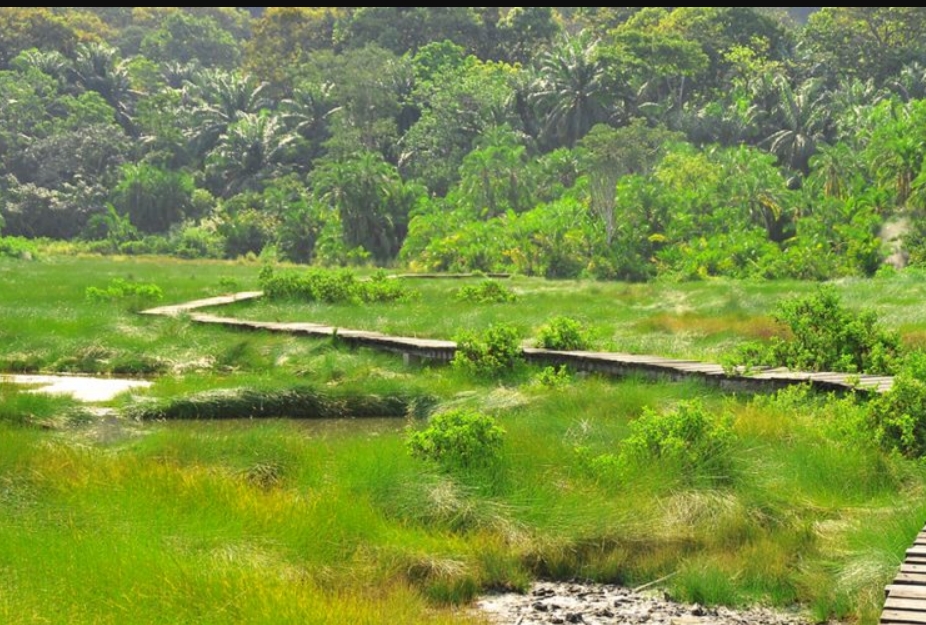
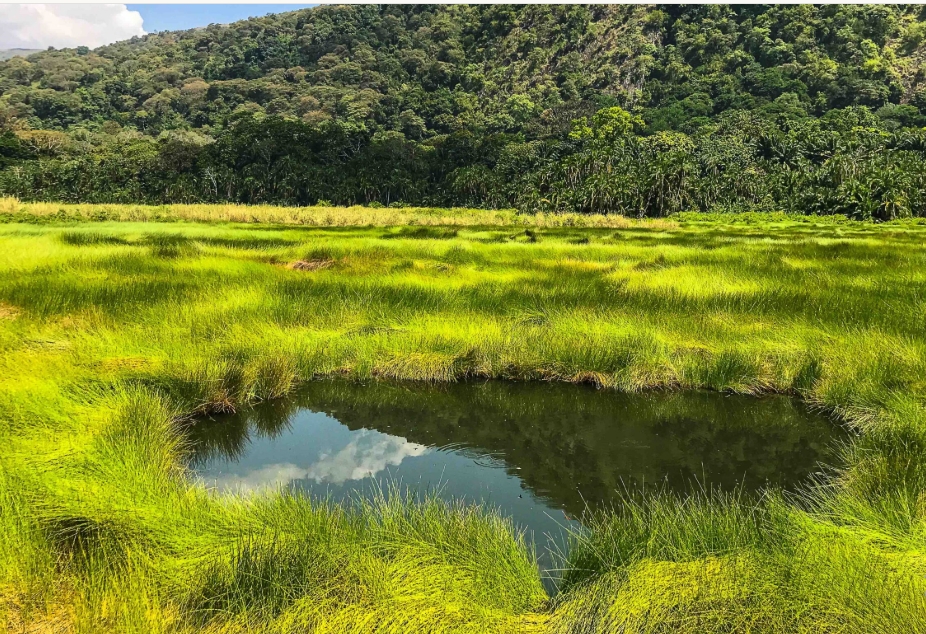
Are you planning a safari in Uganda and wondering what adventures to carry out in Queen Elizabeth National Park? This article will provide insights into the experiences you can enjoy in this park located in the western region of the country. Queen Elizabeth National Park is Uganda’s most visited park, attracting tourists from around the globe. It boasts diverse ecosystems, including woodlands, wetlands, grasslands, and forests, which serve as habitats for various wildlife species.
The park is home to over 600 bird species, such as the Black-headed Gonolek, Red-chested Sunbird, Pin-tailed Whydah, Blue-napped Mouse Bird, Lesser Masked Weaver, and the Swamp Flycatcher. Additionally, it harbors 76 mammal species, including elephants, lions, Uganda Kobs, buffaloes, leopards, waterbucks, hippos, and 10 primate species, such as white and black colobus monkeys, chimpanzees, vervet monkeys, and olive baboons.
The park is particularly famous for the tree-climbing lions found in the Ishasha sector, which attracts many visitors eager to witness this rare behavior. It is uncommon for lions to climb trees, making this a unique experience limited to this park in Uganda. The park offers various activities to engage in, including game drives, boat cruises on the Kazinga Channel, bird watching, chimpanzee trekking, predator tracking, and nature walks. For those seeking an authentic African safari, Queen Elizabeth National Park is a must-visit destination during your Ugandan adventure.
Adventures to carry out in Queen Elizabeth National Park.
Boat cruise on Kazinga channel.
A boat cruise on the Kazinga Channel is one of the most amazing adventures you can experience in the park. This channel connects Lake George and Lake Edward, providing a unique opportunity to observe wildlife while cruising, an experience that is exclusive to this park.
During the boat cruise, you will be accompanied by an experienced guide who will share information about the various bird and animal species you encounter. You can expect to see schools of hippos relaxing in the water, crocodiles basking in the sunset, and animals such as buffaloes, elephants, and Uganda kobs along the shores as they draw water or bathe. The Kazinga Channel serves as a vital water source for both inhabitants and wildlife. Additionally, you will enjoy the delightful melodies of birds singing, which enhance the overall experience. A boat cruise on the Kazinga Channel is truly a must-do activity in Queen Elizabeth National Park.
Bird watching in Queen Elizabeth National Park.
Bird watching is one of the best adventures to carry out in Queen Elizabeth National Park. The park is home to over 600 bird species, making it the premier birding destination in Uganda. Bird enthusiasts will find the park to be a true haven, filled with diverse birdlife.
Queen Elizabeth National Park features various birding sites, including Maramagambo Forest, Kasenyi Plains, Mweya Peninsula, Kazinga Channel, the Lake Katwe area, and the areas surrounding Lake Kikorongo. Each of these locations boasts unique bird species.
During a bird watching safari in Queen Elizabeth National Park, you can expect to see birds such as the Broad-billed Roller, Double-toothed Barbet, Striped Kingfisher, Greater Honeyguide, Brown Snake Eagle, Grey-backed Fiscal, Green Crombec, Blue-napped Mousebird, Lesser Masked Weaver, Swamp Flycatcher, Pygmy Kingfisher, African Morning Dove, Southern Red Bishop, African Moustached Warbler, Broad-tailed Warbler, Pallid Harrier, and Curlew Sandpiper, among many others.
Chimpanzee Trekking In Kyambura Gorge.
Chimpanzee trekking in Queen Elizabeth National Park takes place in Kyambura Gorge, often referred to as the Valley of Apes. While there are many chimpanzees in the park, the only habituated ones that are accustomed to human presence are found in Kyambura. This adventure is led by a knowledgeable game ranger who provides insights about the forest inhabitants and ensures your safety. Trekking to see the chimpanzees involves hiking up steep slopes, so we advise participants to assess their physical fitness before engaging in this activity. Along the trek, you may encounter other primates such as baboons, black-and-white colobus monkeys, Vervet monkeys, and various species of butterflies that add to the beauty of the forest.
Once you locate the playful chimpanzees, you will spend one hour observing them from a distance. You’ll witness their behavior, how mothers care for their young, their playfulness among the treetops, and the way they look after one another. This experience allows you to come face-to-face with these fascinating creatures in their natural habitat.
Game drives.
Game drives in Queen Elizabeth National Park offer tourists a chance to experience the beauty of the wild. These drives are led by knowledgeable guides who provide insights about the park’s inhabitants that you encounter along the way. The park features morning, evening, and night game drives, each providing a unique experience.
During a game drive, you may spot various mammal species, including Uganda Kobs, Topis, waterbucks, lions, elephants, hippos, leopards, buffaloes and tree climbing lions in Ishasha sector, which are only endemic in this area. Bird lovers will also delight in the over 600 bird species that inhabit the park. Notable birds to observe include the Southern Red Bishop, African Moustached Warbler, Broad-tailed Warbler, Pallid Harrier, and Curlew Sandpiper, among others. No safari in Queen Elizabeth National Park is complete without a game drive, allowing you to fully immerse yourself in nature.
Predator tracking in Queen Elizabeth National Park.
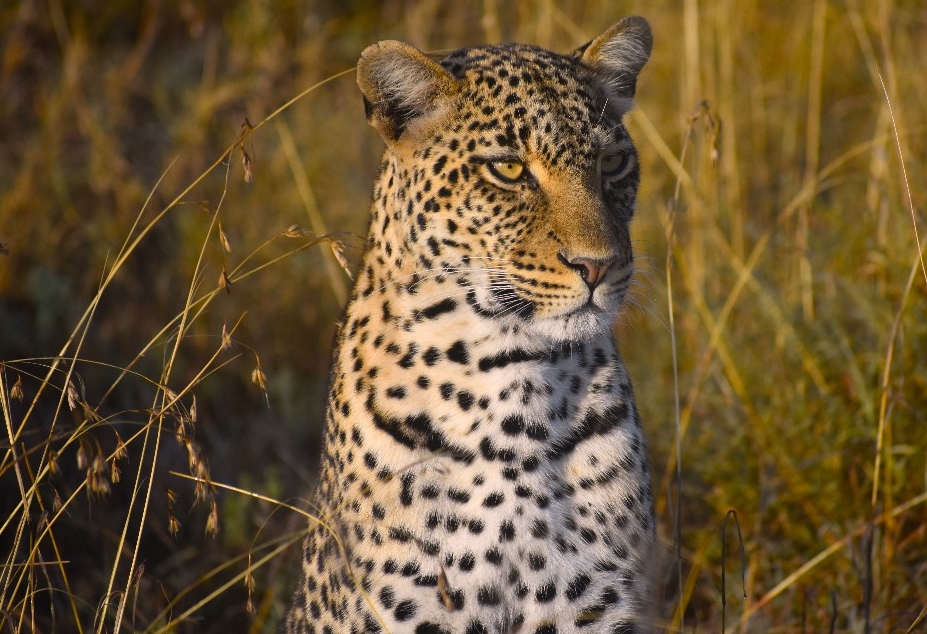
Lion and leopard tracking in Queen Elizabeth National Park is one of the best adventures to experience in Uganda. This unique opportunity allows you to get up close to these elusive predators, which are often difficult to spot during regular game drives. Depending on your preference, you can participate in either lion tracking or leopard tracking, both led by an armed ranger and a researcher who track the animals using GPS radio collars. There is a 98% chance of spotting these predators during this activity. Once located, you’ll have the chance to learn about their behavior, observe how they care for one another, and capture stunning photographs. This experience is ideal for anyone who wishes to connect closely with members of the African Big Five.