What is the Origin of the Ik Tribe
What is the Origin of the Ik Tribe :The Ik, an indigenous minority group in Uganda, are a forest-dependent people living in the extreme northeast of the country, in areas around Timu, Kamion, and Morungole sub-counties. The Ik tribe, also known as Tueso, is part of the Cultural Safaris to Kidepo National Park. The Ik tribe, which translates to “ahead of migration” or the first to migrate, migrated from Ethiopia, settled in Kenya, and later settled in the Karamoja region. They were the first settlers in the region, possibly running away from their warrior neighbors. Unlike other communities like the Jie, Toposa, and Turkana, the Ik community had limited wealth. They had special skills in hunting wild game, gathering edible fruits, tubers, flowers, leaves, and cultivating land for food crops in the Karamoja plains.
Origin of the Ik Tribe in Uganda
The Ik, a group of indigenous people, are believed to have been the first settlers in northern Karamoja, Uganda, for over four centuries. They initially occupied the central Forest Reserves of Timu, Puta, Morungole, Zulia, and parts of the park. However, they were evicted from the park in 1962 when it was gazetted as a Protected Area, disconnecting them from some of their cultural sites. Currently, Ik settlements are found in Timu, Kamion, and Morungole. Oral narratives suggest that hostile pastoral groups forced the Ik out of the plains onto mountaintops as a security measure against dominant neighbours, mainly the Dodoth in Uganda and the Turkana in Kenya. Several researchers and cultural anthropologists marked the Ik “The Mountain People” as a result of this. A century back, the Ik have actively participated in subsistence farming, mainly cultivating maize, sorghum, and millet, supplemented with other annual crops such as beans, pumpkins, and vegetables.
Leadership Roles and Religion
The Ik people, in Uganda, have a clan system with 11 clans, with some divided into two sections. Marrying within a clan is prohibited, and rituals are conducted to prevent calamities. Male elders are responsible for leadership and governance, while elderly women can contribute to discussions. Elders are chosen based on age, influence, or public speaking ability. They determine taboos and punishments for wrongdoing. The Ik are religious, practicing a traditional religion with a sky god called Did-Gwari, associated with weather patterns and community survival. The Ik can appease or influence this god through prayers and sacrifices.
The Ik tribe faced greater populations of neighbouring communities that were warrior clans, known for raiding weaker groups. The Karamojong warriors, guided by their belief in a god who granted them rights to cattle, took the Ik’s livestock. As a result, the Ik abandoned herding and focused on hunting, farming, and gathering. In the 1960s, conservation efforts worsened their situation when their land was turned into a game reserve, forcing them to move to the Mount Morungole ranges without compensation.
Why do the Ik live in Morungole Mountains
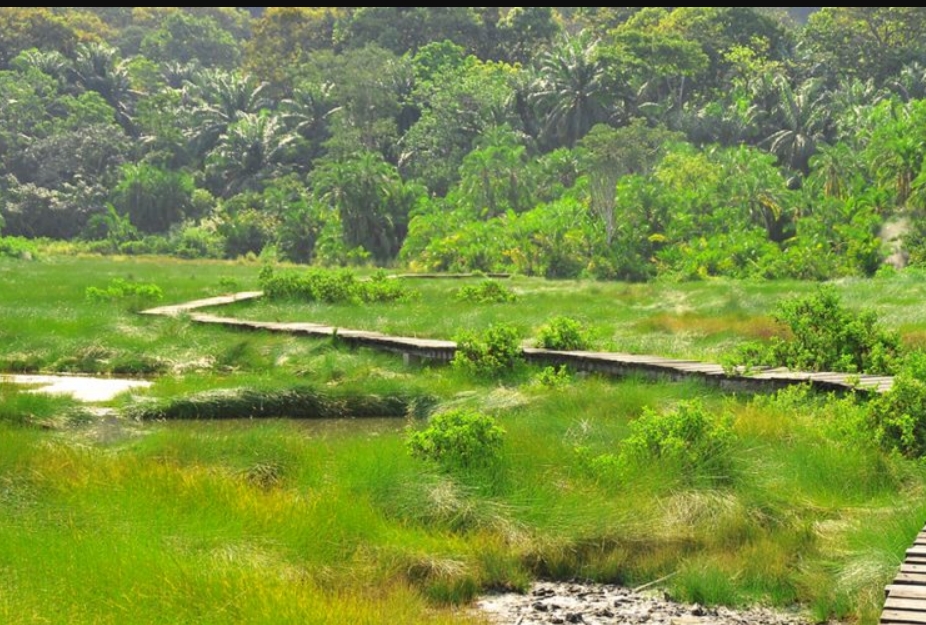
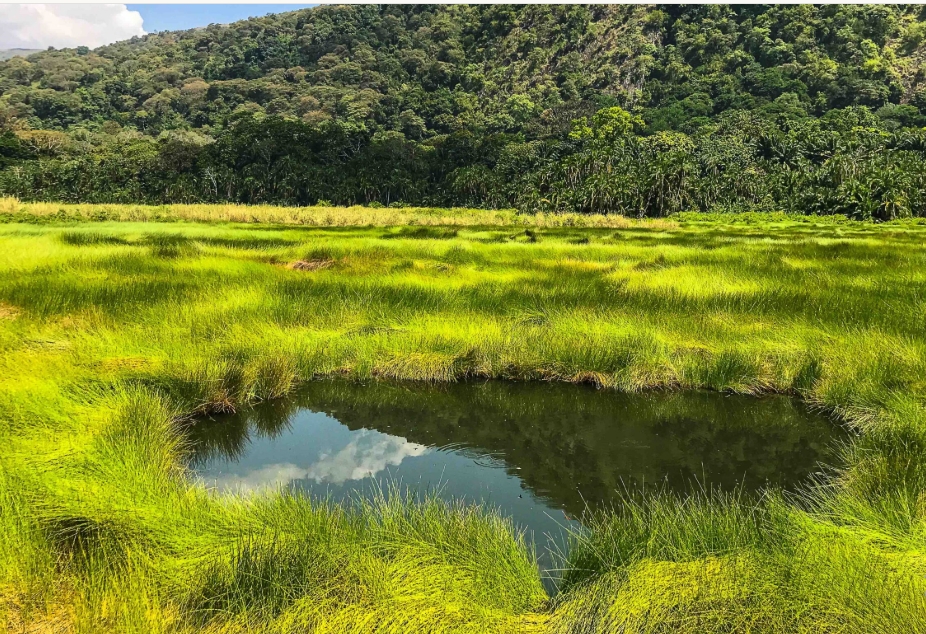
A traveller touring Uganda visits the Ik community and discovers a new perspective on safaris. The Ik tribe lives in the Morungole mountains, which are much cooler and have different plants than the hot grasslands below. The travellers enjoy stunning views of the rift and unique animals. The best part is connecting and sharing experiences with the Ik people.
Social life- What is the Origin of the Ik Tribe
The Ik communities live in villages called odok, located in the flat valleys of the Morungole mountain ranges. These villages are fenced for protection against outsiders and wild animals. Each household, or asak, has a large yard which includes a granary, a kraal for livestock, a rack for utensils, and a latrine. The Ik practice polygamy, marrying multiple wives according to the dowry they can afford. Dowry is measured in bee hives, goats, sheep, chickens, and cash, which are hard to obtain for the Ik. Husbands build an asak for each wife and rotate visits within the same odok.
Childbearing is considered a blessing, and for the Ik tribe, raising children is a community duty. Parents care for their infants up to around 4 to 5 years old, after which grandparents take over. These grandparents share important life skills with the children. By age 13, grandchildren leave their grandparents’ care. Boys build their own living spaces and form groups, while girls prepare for marriage. The Ik culture has practices like wife inheritance, strict rules against promiscuity, and severe penalties for incest and adultery. Youths can date quietly since they have their own spaces.
Conclusion
The Ik community, with around 10,000-15,000 members in the Morungole mountains, has overcome past challenges, such as raids, and now enjoys peace. The Ugandan government and civil society groups are providing education, skills, and income projects. Their location near Kidepo Valley National Park has increased awareness of the Ik, showing travelers a true image of Africa.