The best time to visit the Rwenzori mountains
Along Uganda’s western border with the DR Congo, the Rwenzori Mountains sometimes known as the mountains of the moon lie Spanning 120 kilometers and 43 kilometers, it boasts amazing snowy scenery and distinctive afro-alpine flora. The mountains frequently sit hidden in fog and snow. Rwenzori Mountains National Park, which has breathtaking landscapes, exciting activities, and excellent hiking possibilities including family-friendly treks opens year-round though the best time to visit Rwenzori Mountains National Park is during the dry season from June to August and December to February. A great trip entails climbing Margherita Peak, and a visit requires no passport. Spanning nearly 100,000 hectares, the park boasts rich vegetation including rare big heather and several endangered species.
An individual and enchanted experience is provided by hiking the Rwenzori Mountains. As hikers traverse various surroundings, they can encounter a variety of flora and animals. With high glaciers, a valley of nine lakes, and beautiful rocky cliffs with snow-capped summits, this unspoiled hike ranks among the most gorgeous in the world.
Rwenzori Mountain National Park
Rising to 5,100 meters, the Rwenzori Mountains lie along Uganda’s western frontier. Known as the “Mountains from the Moon,” these World Heritage Sites have stunning, mist-covered heights. The region encompasses Africa’s third-highest mountain; some peaks have permanent snow and glaciers, but lower slopes have thick forests. Accessible for beginners, local walking paths include the Bujuku circuit, which offers breathtaking vistas.
The Rwenzori Snow-capped summits
The East African Rift Valley, which evolved during the late Pliocene epoch some three million years ago, gave rise to the Rwenzori Mountains. With their glacial heights, it developed into an uplifted block of crystalline rocks comprising granite, gneiss, amphibolite, and quartzite. Unlike other tall mountains like Kilimanjaro and Mount Kenya, these are not volcanic mountains. Deep gorges divide the six snow-capped massifs of the Rwenzori Mountains; Stanley, at 5,109 meters, is followed by Speak at 4,890 meters, Baker at 4,843 meters, Mount Emin, Gessi, and Luigi.
Rwenzori’s Highest Peak
Rising 5,109 meters, Margherita Peak Mount Stanley’s highest point is the third-highest alpine peak in Africa. It lies in Rwenzori National Park, a UNESCO World Heritage Site. Preserving the distinct flora and fauna native to the Rwenzori Mountain range depends much on this park. Generally speaking, Margherita Peak and the nearby region are remarkable for their natural beauty and environmental importance.
Mount Stanley
Mount Stanley, also called Mount Ngaliema, is in the Rwenzori range and stands at 5,109 meters, making it the highest mountain in the Democratic Republic of the Congo and Uganda, and the third highest in Africa after Kilimanjaro and Mount Kenya. It was named after the explorer who first saw it during his expedition in 1887. The Rwenzori mountains are known as “rain-makers,” bringing over 5 millimeters of rainfall each year, but their snow-covered peaks and glaciers are not often seen.
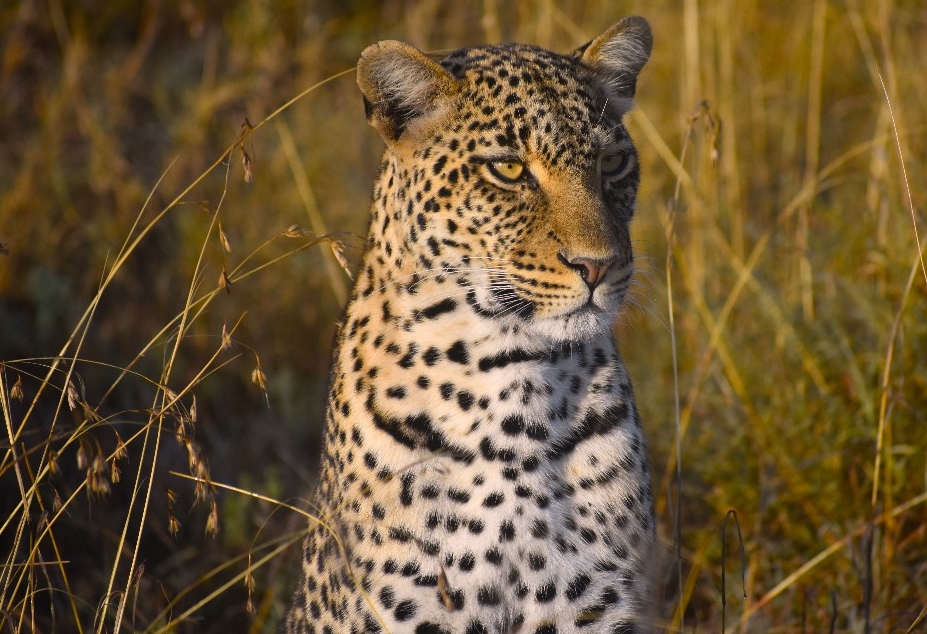
The area has diverse afro-alpine plants, including giant lobelias and tropical rainforests. Visitors can see various wildlife such as elephants, buffalo, and primates, including chimpanzees and blue monkeys. Unique birds like the Rwenzori Touraco and Cinnamon-chested Bee-eater are also found there. Rwenzori Mountains National Park offers attractions like different vegetation zones, lakes such as Irene and Kitandara, and the snow peaks of Baker and Stanley.
The best time to visit the Rwenzori mountains
The best time to visit Rwenzori Mountains National Park is during the dry season from June to August and December to February. Mountaineers should try to climb Margherita Peak between June and August. The dry periods allow for taking the Central Circuit Trail, which lasts 6-7 days and accesses higher mountains. In bad weather, hiking Rwenzori mountains can be difficult due to slippery trails and altitude sickness. The best times to hike are from 7:00 am to 10:00 am or later in the afternoon, as energy levels can vary throughout the day.
How long does it take to hike the Rwenzori Mountain
Expert climbers can complete the trek in 7 days (9-day tour), while novices or less experienced climbers are advised to complete the trek in 9 days (11-day tour). Those with some expertise who are not prepared to complete the trek in 7 days are advised to take an 8-day (10-day) excursion.
How do I get to the Rwenzori Mountains
To get to Rwenzori Mountains National Park, you can either drive from Kampala, which takes 7-8 hours or fly from Entebbe International Airport to Kasese Airstrip and then drive for less than an hour. The park is situated along the Uganda-Congo border in western Uganda, with main access from the Fort Portal-Kasese Road. It is 375 km from Kampala via Fort Portal and 450 km via Mbarara, with the entrance 25 km from Kasese.
Alternatively, you can also access the park from Nyakalengija, 22 km from Kasese. At Nyakalengija, visit the park offices and pay the necessary fees. The Rwenzori Mountains provide excellent trekking for both skilled climbers and casual walkers, with the central circuit trail being the most popular, usually taking 7 days and 6 nights. It’s important to bring essential gear, including rain clothing and a first aid kit. Porters are available to carry heavy loads. The Rwenzori Mountains, known as the “Mountains from the Moon,” feature glaciers and diverse wildlife, with other nearby parks like Bwindi Forest and Mgahinga Gorilla National Park.