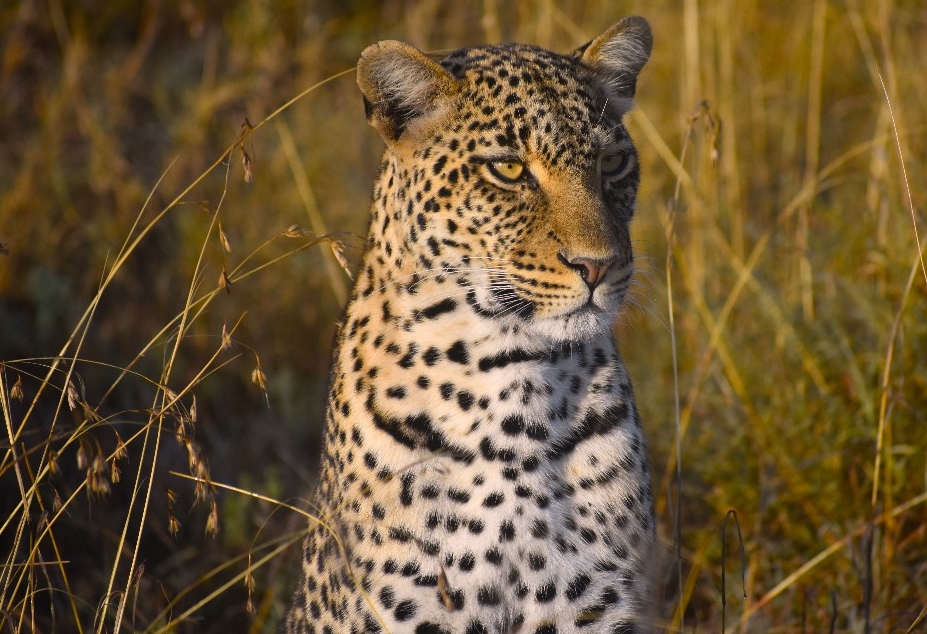
Lion Tracking in Experience in Queen Elizabeth National Park
Lion tracking experience in Queen Elizabeth National Park is one of the most interesting adventure activities that draw visitors close to wildlife, particularly the majestic lions. This offers viistors a chance to learn and study more about the natural behaviours of these courageous creatures. to participate, visitors pay a fee of $150-$200 for non-foreign residents and 200,000 UGX for citizens of East Africa.
Payments can be made at the Mweya Information Centre or through a tour operator. Each booking contributes $10 to the Uganda carnivores’ program, but park entrance fees are not included, and there are limits on participants.
Lion tracking experience has 3 days today sessions, including morning, afternoon, and night, each with a duration of 2-3 to hours. Always report at the briefing point in time, where you will get the rules and regulations about the tracking exercise, and what you will expect before the activity resumes.
Lion tracking in Queen Elizabeth National Park has improved due to new tracking technology. A radio collar is placed on the dominant lioness of a pride, as lionesses stay with the group, helping researchers keep an eye on other lions, including cubs and alpha males. Researchers select a healthy, non-pregnant lioness for collaring. A tranquilizer is used to make her unconscious during the process. It takes about two days for the lioness to adjust to the collar, which is fitted loosely for comfort and to avoid getting stuck in thick vegetation.
Battery-powered collars use radio frequencies that a GPS system reads to find lions’ exact locations. The tracking device beeps and gets louder when a lion is nearby. Lions travel a lot, covering 40 square kilometers if prey is plentiful and up to 400 square kilometers when food is scarce. The collars help researchers monitor the lions’ movements and check if they are sick or threatened by nearby communities.
Researchers tracking lions will provide details about their biology, habitats, and threats. Lions’ life span is around 10- 12 years in the wild, while adult females have a life span of 15-16 years, where by males normally protect the family and the territory, while females do most of the hunting. Lionesses usually have 3 cubs.
Lion tracking experience in Queen Elizabeth National Park is distinct from regular game drives. Drivers can go off the main roads to follow lions in the savanna. When near the lions, the engine is turned off to avoid scaring them. Visitors may see researchers gathering DNA, blood, urine, and other samples from the lions after they are tranquilized.
If you see a whole pride of lions, you can watch a lion family closely. You will see young lions playing while adults rest. Lions communicate distress and their location through different sounds. They are territorial, and the dominant male marks his area by digging holes, rubbing his mane on bushes, or urinating on trees to warn intruders with his smell. Take the chance to capture great photos of the lions up close. Lion prides usually have one or two dominant males with big black manes, while smaller lionesses lead the group and handle most of the hunting. Lionesses also fiercely protect their cubs.
What to know about Lion Tracking Experience in Queen Elizabeth National Park
Tracking lions in Queen Elizabeth National Park is unique due to limited participant numbers to reduce stress on the lions. This smaller group provides a more personal experience and better photo opportunities. Researchers can also focus better and share information more effectively.
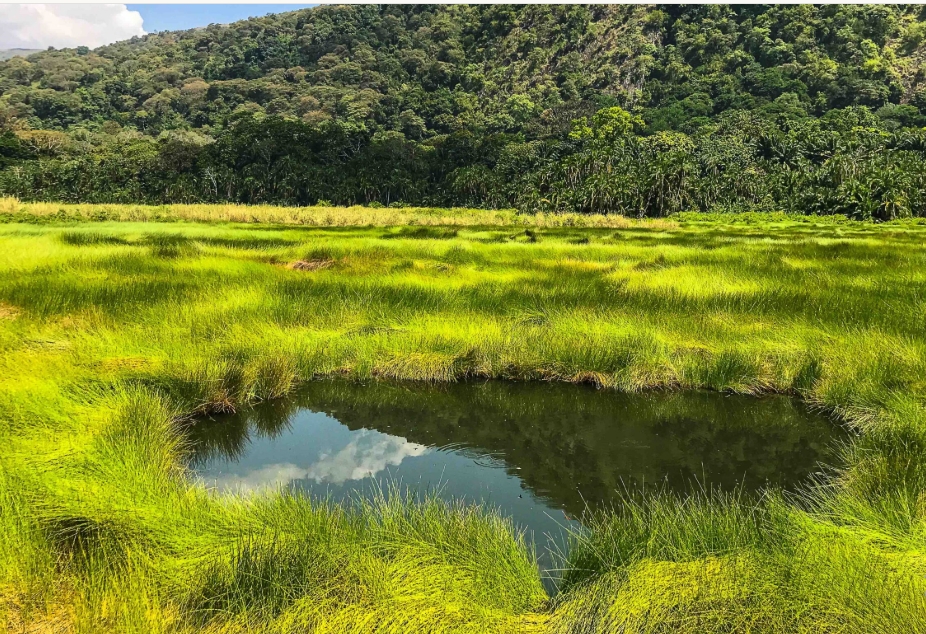
The studies focus on lions in the northern part of the park, specifically the Kasenyi plains, which have a higher density of animals than the tree-climbing lions in Ishasha. While tracking the lions, you can see various animals like antelopes, elephants, and buffalo. Besides the majestic lions, the Uganda Carnivore project as well studies other park predators, such as the secretive leopards, hyenas, and many others. Participants might collect samples or record information about the cats as part of research activities.
Queen Elizabeth National Park can be accessed by air or road. There are three airstrips nearby: Mweya, Kasese, and Ishasha. You can book a flight from Entebbe or Kajjansi in Kampala to these locations. The safari driver guide will meet you at the airstrip and take you for registration at the park offices. If driving, you must travel from Kampala to Mbarara or Fort Portal, which takes about 6 hours. To combine lion tracking with other activities, consider the 4-Day Queen Elizabeth Safari package.
If you’re looking for a place to stay while tracking lions in Queen Elizabeth National Park, you have many options. Choices include camping sites for budget travelers, tented camps, and luxury lodges. Recommended lodges are Elephant Hab, Bush Lodge, Ishasha Wilderness Camp, Aardvark Safari Lodge, and Mweya Safari Lodge for luxury, Park View Safari Lodge, Katara Lodge, and Buffalo Safari Lodge for mid-range, and Simba Safari Lodge for budget. Lion tracking is available year-round. Check for the best time to visit Queen Elizabeth National Park.
Other things to do in the Park
Queen Elizabeth National Park offers many activities for visitors. You can join a three-hour Mangoose tracking tour along the Mweya peninsula to learn about these animals and their enemy, the African cobra.
Another option is chimpanzee trekking in Kyambura Gorge, which is a unique underground forest formed by changes in the earth’s crust. The gorge is rich in biodiversity, home to six primate species and hippos. The chimpanzee population there is limited due to habitat destruction. Kyambura Gorge is also a great spot for nature walks and bird watching.
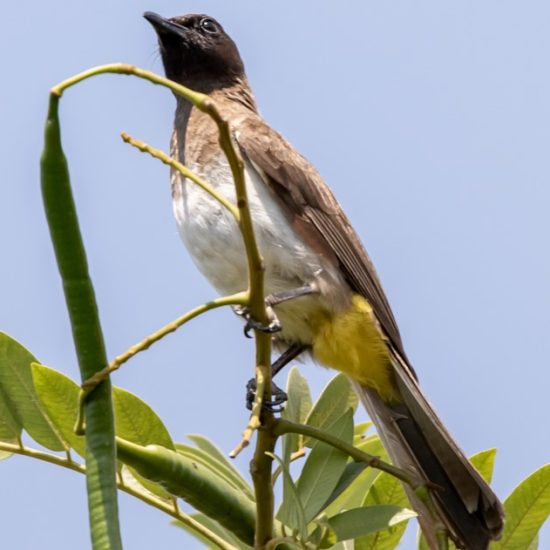
In addition to the nature walk at Kyambura Gorge, you can explore Maramagambo Forest to see nature in its true form. Here, you can find various bird species, like the Blue-throated Roller and African Emerald Cuckoo, as well as primates and reptiles. Queen Elizabeth National Park also features Maramagambo Forest and the Mweya peninsula.
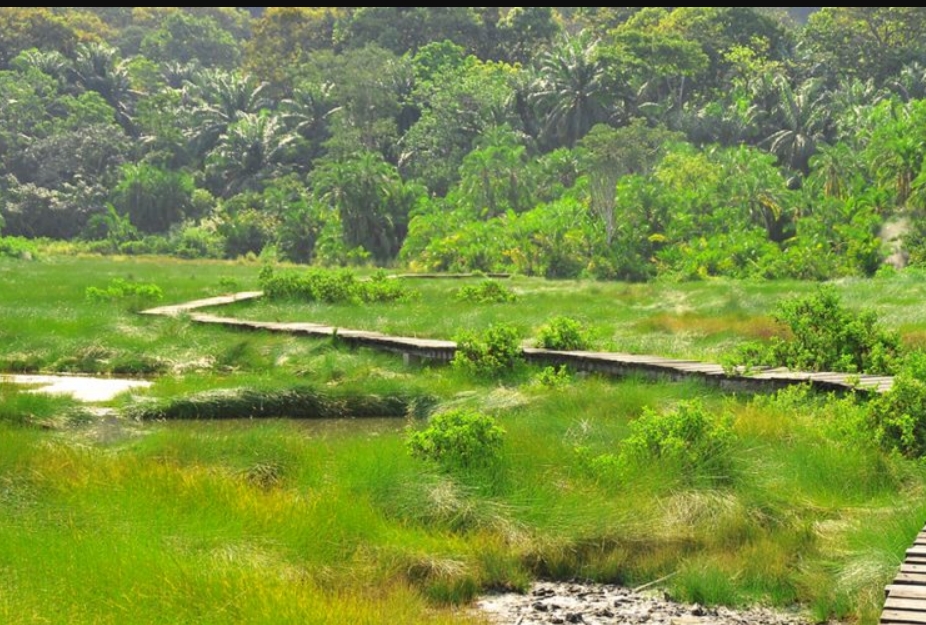
This forest hosts one of Uganda’s last tropical forests and has its own population of unhabituated chimpanzees. You can walk to the python caves or venture deeper into the forest for more wildlife views. Other activities include community encounters, boat cruises on the Kazinga Channel, game drives, sightseeing, chimpanzee trekking, and birdwatching, among others.