Birds in Akagera National Park.
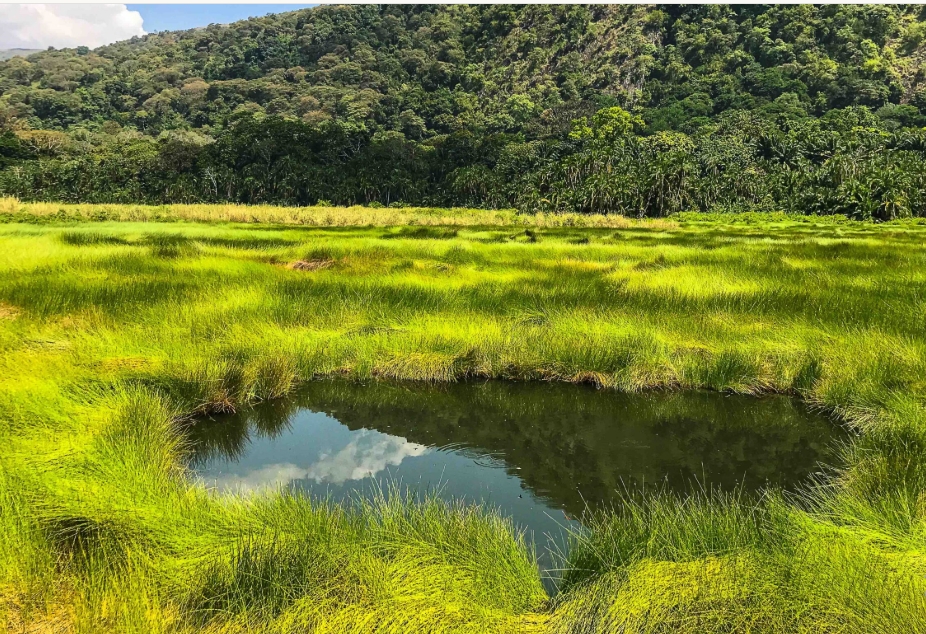
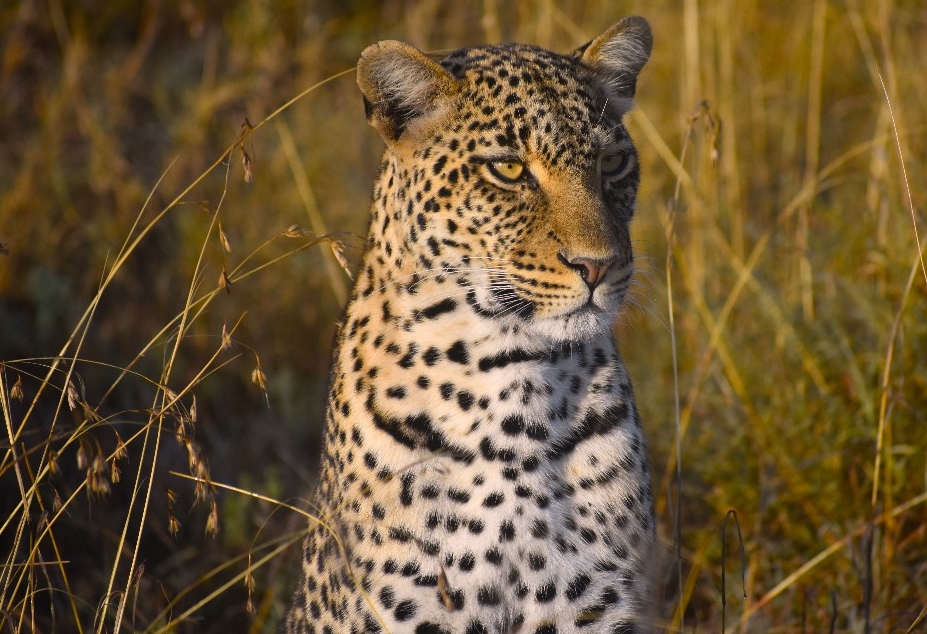
Birds in Akagera National Park: Akagera National Park is one of the best birding destinations in East Africa, found in the northeastern region of Rwanda. It is the largest national park in the country, covering an area of about 1,122 square kilometers. The park got its name from the famous Akagera River, which supplies its waters to various lakes and swamps in the park. It is blessed with various natural systems, including swamps, lakes, savannah grasslands and woodlands that provide various habitats to the park’s inhabitants. It hosts over 90 mammal species including the African Big Five, lions, elephants, buffaloes, leopards and rhinos, reptiles, and amphibians. Its also home to over 480 bird species including savannah birds, water birds, woodland species and migratory bird species that attract thousands of birders to come and enjoy the park’s rich avian life.
Birds in Akagera National Park.
Akagera National Park is a haven for bird watching with over 480 bird species that call this awesome park home, which include water birds, savannah birds, migratory birds, acacia dwelling birds, and the park’s endemic species. The bird species to spot include , Red-winged Francolin, Dusky Turtle-Dove, Speckled Pigeon, Mourning Collared-Dove, White-crested Turaco, Ross’s Turaco, Purple-crested Turaco, Eastern Plantain-eater, Bare-faced Go-away-bird, Osprey, White-faced Whistling-Duck, Fulvous Whistling-Duck, shoe bill stork, Knob-billed Duck, Secretary bird, Red-faced Barbet, Egyptian Goose, African Pygmy-Goose, Red-billed Duck, Garganey, Blue-billed Teal, Helmeted Guineafowl, Crested Francolin, Ring-necked Francolin, Shelley’s Francolin, Coqui Francolin, Hildebrandt’s Spurfowl, Blue Quail, Red-necked Spurfowl, Blue-headed Coucal, White-browed Coucal, Black Coucal, Blue Malkoha, Great Spotted Cuckoo, Pied Cuckoo, Thick-billed Cuckoo, Dideric Cuckoo, African Cuckoo, Madagascar Cuckoo, Klaas’s Cuckoo, Swamp Nightjar, Fiery-necked Nightjar, Pennant-winged Nightjar, Fiery-necked Nightjar, Freckled Nightjar, Common Swift, African Swift, Mottled Swift, Alpine Swift, Horus Swift, Red-chested Flufftail, African Crake, Lesser Moorhen, Corn Crake, Eurasian Moorhen,Striped Crake, Black Crake, Red-knobbed Coot, African Swamphen, African Finfoot, Gray Crowned-Crane, Water Thick-knee, Black-winged Stilt, Black-bellied Plover, Ring-necked Dove, Emerald-spotted Wood-Dove, Blue-spotted Wood-Dove, Laughing Dove, Tambourine Dove, Red-eyed Dove, African Green-Pigeon, Denham’s Bustard, Black-bellied Bustard.
Others include Wood Sandpiper, Marsh Sandpiper, Green Sandpiper, Curlew Sandpiper, Common Greenshank, Ruff, Black-rumped Buttonquail, Small Buttonquail, Bronze-winged Courser, Temminck’s Courser, Collared Pratincole, Black-winged Pratincole, Lesser Black-backed Gull, Gray-hooded Gull, White-winged Tern, African Skimmer, Little Grebe, Saddle-billed Stork, African Darter, Pink-backed Pelican, Bateleur, Common Ringed Plover, Senegal Lapwing, Brown-chested Lapwing, Spur-winged Lapwing, Greater Painted-Snipe, Lesser Jacana, African Jacana, Bar-tailed Godwit, Common Sandpiper, Common Snipe, African Snipe, Hooded Vulture, Lappet-faced Vulture, European Honey-buzzard, Palm-nut Vulture, Western Banded Snake-Eagle, Bat Hawk, Martial Eagle, Dark Chanting-Goshawk, Booted Eagle, African Harrier-Hawk, Western Barn Owl, Verreaux’s Eagle-Owl, African Barred Owlet, Spotted Eagle-Owl, Marsh Owl, Speckled Mousebird, Narina Trogon, Common Hoopoe, Green Woodhoopoe,Red-headed Weaver, African Gray Hornbill, White-throated Bee-eater, European Bee-eater, Little Bee-eater, Cinnamon-chested Bee-eater, African Pygmy Kingfisher, African Pygmy Kingfisher, Giant Kingfisher, Woodland Kingfisher, Malachite Kingfisher, Striped Kingfisher, Purple Roller, Broad-billed Roller, White-headed Barbet, Spot-flanked Barbet, Crested Barbet, Spot-flanked Barbet, Scaly-throated Honeyguide, African Gray Woodpecker, Red-throated Wryneck, , Great Cormorant, African Sacred Ibis, Glossy Ibis, Hadada Ibis, Little Bittern, Black-crowned Night Heron, Rufous-bellied Heron, Little Egret, Black Heron, Dwarf Bittern, Western Cattle-Egret, Malagasy Pond-Heron, Malagasy Pond-Heron, Indian Pond-Heron, Goliath Heron, Purple Heron, Yellow-billed Egret, Hamerkop, Great White Pelican among others.
What to carry on your birding safari.
As you prepare to see birds in Akagera National Park, it is important to pack items that enhance your comfort and improve your bird-watching experience in the park. Bring a good pair of binoculars, a camera with telephoto lens if possible to help you spot and photograph birds from a distance, birding checklist to help you tick birds that you have spotted, lightweight neutral colored clothing, long-sleeved shirts and trousers to protect you from the sun and insects, insect repellent, comfortable hiking shoes, a hat with a wide brim, sunscreen, extra batteries, water bottle, rain jacket and a power bank to keep your devices charged.