A Guide to Akagera National Park.
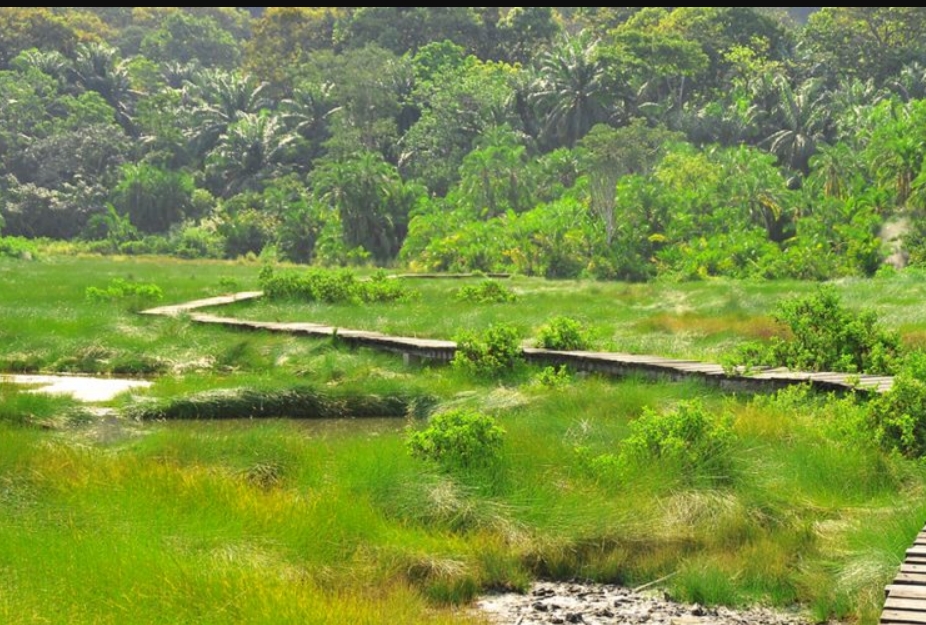
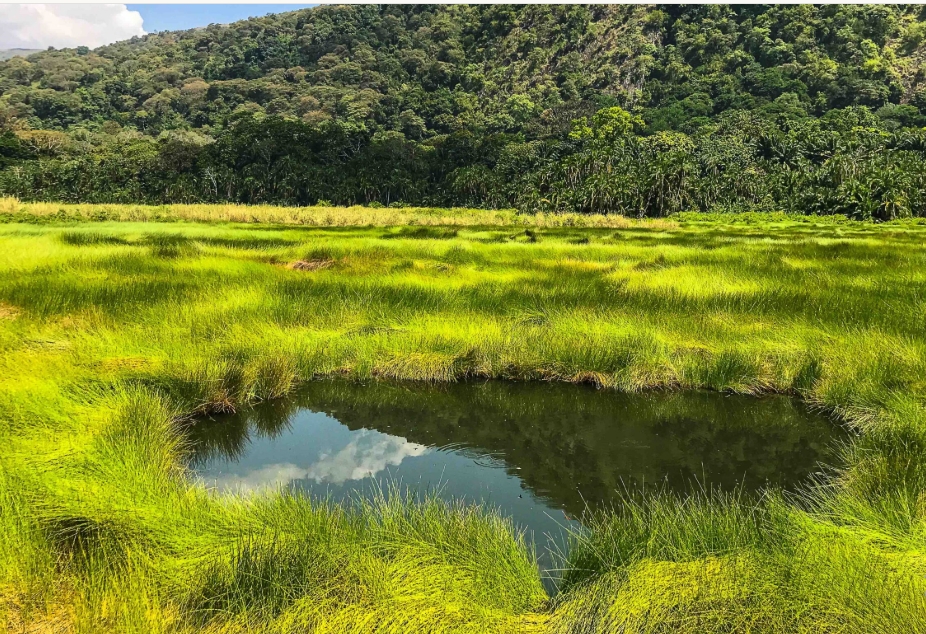
A Guide to Akagera National Park: Akagera National Park is a prime safari destination for travellers seeking a true African safari experience, located in the eastern part of Rwanda along the border of Tanzania. The Park got its name from the River Akagera that flows along its eastern boundaries and feeds a system of scenic lakes and wetlands. It was established in 1934, and it’s the largest national park in Rwanda, covering an area of about 1,122 square kilometres. Akagera National Park features a diverse natural landscape comprising savannah plains, wetlands, woodlands, and lakes, which provide habitats for a wide range of bird and wildlife species.
It hosts over 90 mammal species, including the African Big Five, elephants, lions, rhinos, buffaloes and leopards, 480 bird species such as savannah birds, raptors, woodland species, water birds and migratory bird species. The park has a variety of tourist activities that visitors can enjoy, such as game drives in search of the African Big Five, boat cruises, bird watching, sports fishing and nature walks, all provide a true African Safari experience. This guide to Akagera National Park will help travellers planning their safari in the park to know the activities they can do, how to access the park and the best time to visit the park. If you are seeking tranquillity and adventure, Akagera National Park is a must-visit safari destination
Where to find the Akagera National Park.
Akagera National Park is located in the eastern region of Rwanda along the country’s border with Tanzania. The park can easily be accessed from Kigali, the capital city of Rwanda, and it’s about a 2 to 3-hour scenic drive through the countryside. It lies within the Kayonza and Nyagatare districts, with its main entrance in Kiyonza gate in the south.
Where to stay.
Akagera National Park offers several eco-friendly accommodation options for travellers, which cater to all travellers’ budgets, from luxury accommodations to standard accommodations, all provide unique and memorable stays. If you are looking for luxury stays, consider Ruzizi Tented Lodge, Magashi Camp, Mid-range accommodations Akagera Game Lodge, Karenge Bush Camp, Akagera Transit Lodge and those looking for budget-friendly accommodations, look at Mutumba Campsite, Akagera Rhino Lodge, Muyumbu Campsite and Shakani Campsite.
Things to do in Akagera National Park.
Game Drives.
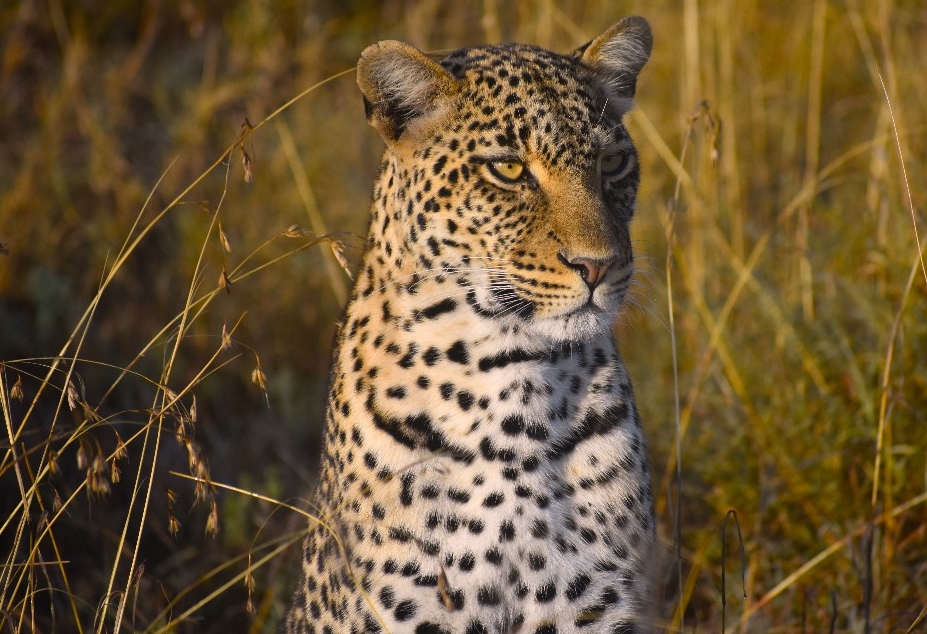
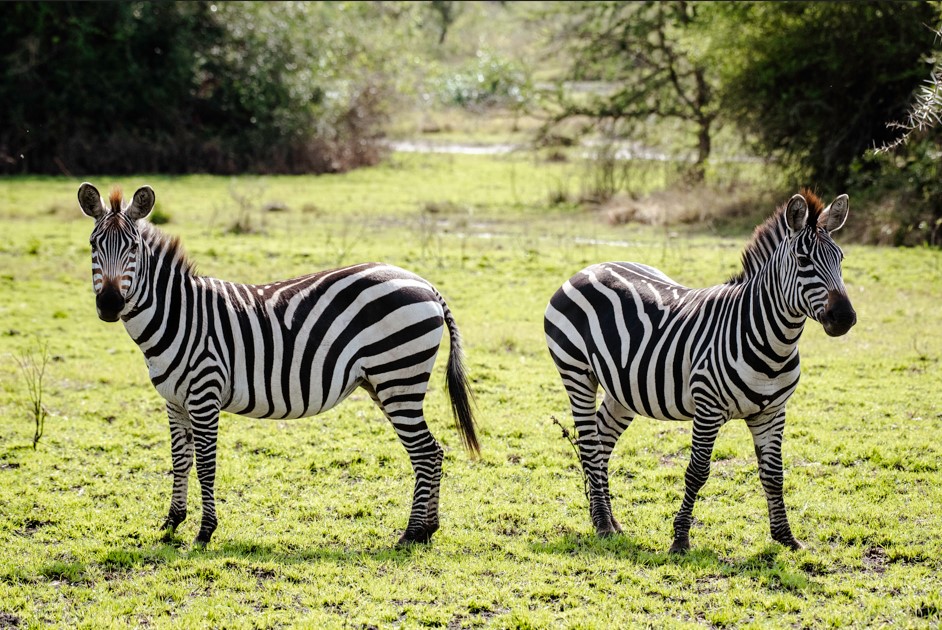
Game drives in Akagera National Park are among the thrilling safari activities to enjoy on your African Safari. The park has a rich biodiversity, home to over 90 mammal species, 480 bird species, reptiles and primate species, which can be seen on a game drive. This is a guided activity led by an experienced park guide who gives more information about the wildlife species that you might encounter. They have a chance to encounter the African Big Five elephants, lions, leopards, rhinos and buffaloes, plus others, including giraffe, zebras, hyenas, hippos, elands, waterbucks, oribis, impalas, bushbucks, sitttunga antelope, vervet monkeys, baboons, warthogs and birds including shoebill stork, African fish eagle, papyrus gonolek, goloath heron, saddle-billed stork, open billed stork, brown snake eagle, lilac breasted roller, helmeted guineafowl, African darters, pied kingfisher among others.
Boat Safari on Lake Ihema- A Guide to Akagera National Park.
A boat safari on Lake Ihema is one of the best wildlife experiences in Akagera National Park. This allows visitors to fully immerse themselves in nature and appreciate the beauty of the park. The boat safari is done in the morning, afternoon and evening, all sessions provide unique and memorable safari experiences. Visitors will have a chance to see various wildlife species like crocodiles basking in the sun, schools of hippos swimming, buffaloes, elephants, waterbucks, and warthogs, drinking water along the shores since Lake Ihema acts as a vital water source to the park’s inhabitants. Bird lovers will find the lake a paradise for bird watching with various unique bird species like the elusive shoebill stork, African Fish Eagle, Great Egret, Grey Heron, Little Egret, African Openbill stork, Papyrus Gonolek, Black Crake, African Jacana, Swamp Flycatcher, Pied kingfisher, and more.
Birding.
Akagera National Park is one of the best bird watching destinations in Rwanda, with over 480 bird species, including water birds, forest birds, acacia dwelling migratory birds, and savannah birds. Visitors can spot birds on game drives, boat cruises, and nature walks, all provide equal chances of spotting unique bird species. Some of the bird species to encounter on your bird safari include the shoebill stork, White-faced Whistling-Duck, White-backed Duck, Egyptian Goose, Red-winged Francolin, Tambourine Dove, Emerald-spotted Wood-Dove, African Fish Eagle, Great Egret, Grey Heron, Little Egret, African Openbill stork, Papyrus Gonolek, Black Crake, African Jacana, Swamp Flycatcher, Pied kingfisher, Purple-crested Turaco, Ross’s Turaco, Red-chested Cuckoo, Fiery-necked Nightjar, among others.
Nature Walks- A Guide to Akagera National Park.
This is one of the most rewarding safari activities in the park that allows visitors to explore the beauty of the park on foot. This is a guided activity led by an experienced park guide who gives more insights about the wildlife species you might encounter and an armed ranger who ensures your safety. Visitors will enjoy the breathtaking views of the park and see various birds and animals like giraffes, waterbucks, elephants, oribis, among more.
How to get there.
Visitors can either use road transport or air transport, depending on their preferences. While using road transport, they can use a bus from a taxi park in Kigali, self-drive or a private vehicle using a licensed tour operator; all options provide a unique and scenic drive. It is about 110 km from Kigali, the capital city of Rwanda, to the park, approximately a 2-3 hour drive via Rwamagana and Kayonza to reach the Kiyonza gate. Alternatively, visitors can use a helicopter from Kigali International Airport to a helipad near Ruzizi Tented Lodge or Magashi Camp, which is about 30 minutes, and this is the fastest way of reaching the park.
The Best time to visit Akagera National Park.
The park can be visited throughout the year, and the best time preferred by most travellers is during the dry season, which runs from June to September and December to February. During this season, the park receives little to no rainfall, the vegetation cover is short, and the tracks are dry, making it easy to penetrate it in search of wildlife species. However, visitors can visit the park during the wet season, which runs from October to November and March to May. The park receives abundant rainfall, the tracks are muddy and slippery, making it challenging to penetrate the park.