What Makes Kidepo Valley National Park Famous.
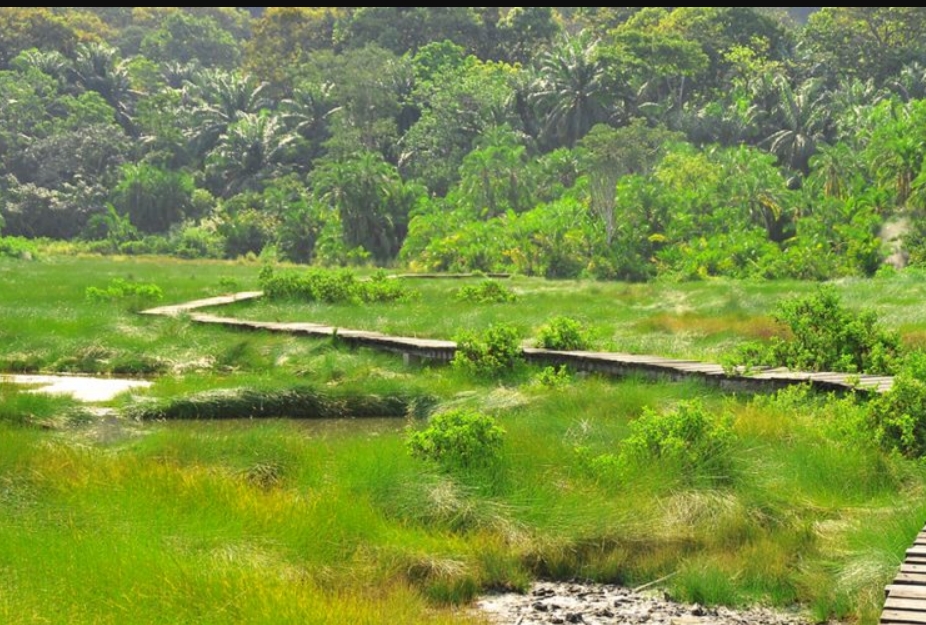
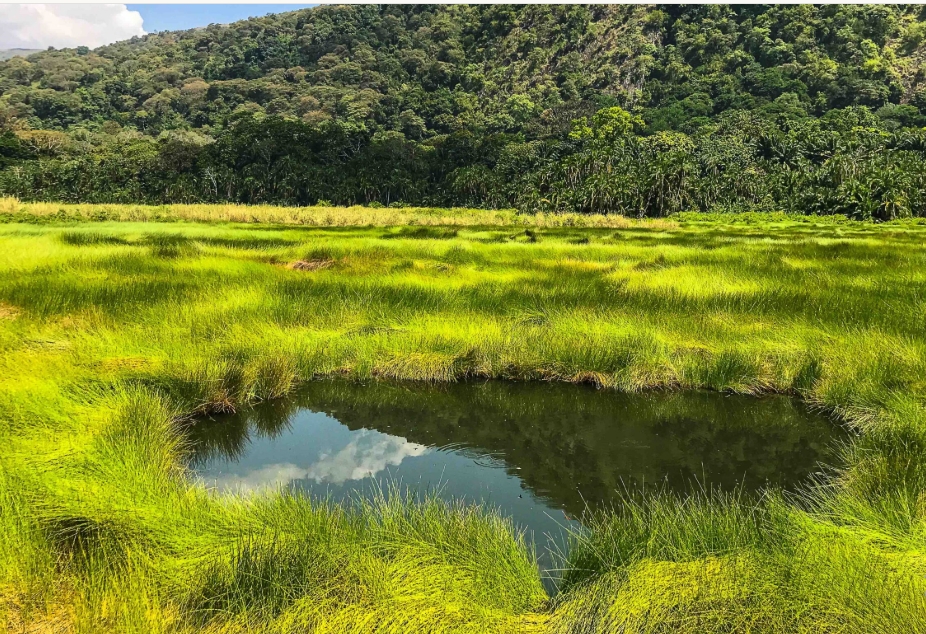
Kidepo Valley National Park stands out as one of Africa’s last true wilderness safari destinations, located in the rugged and remote northeastern corner of Uganda. Its one of the most unexplored and unspoiled savannah parks in the country. It’s famous for its breathtaking scenic views of vast savannah plains and rugged hills. Kidepo Valley National Park was established as a national park in 1962 after Uganda gained its independence to protect the big game that existed at that time. It’s one of the largest national parks in the country, covering an area of about 1,442 square kilometers. Many people ask what makes Kidepo Valley National Park famous, and this blog will talk about the unique things that make the park famous. It’s known as Uganda’s most scenic national park, famous for its rare wildlife and bird species, with the highest numbers of buffalo, up to 11,000 individuals, calling this park home, strong predator presence and rich cultural encounters with the Ik and Karamojong communities. The park’s isolation has preserved its natural charm, making every safari experience feel exclusive and unforgettable. If you are seeking adventure, authenticity, and spectacular landscapes, Kidepo Valley National Park is not just a destination; it is a true African wilderness experience.
Things that make Kidepo Valley National Park Famous
Haven for Birders.
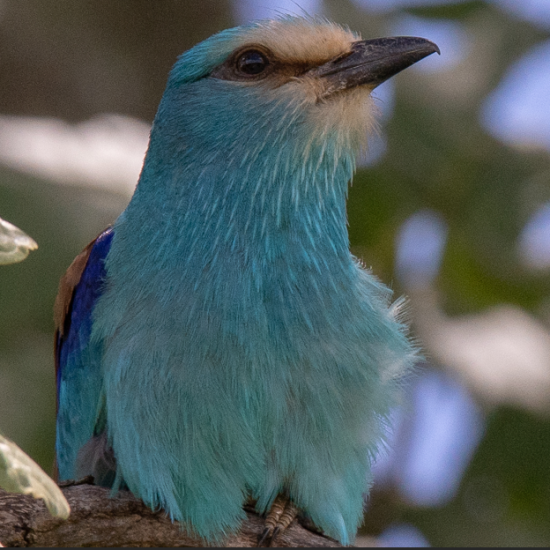
Kidepo Valley National Park is a true haven for birders and ornithologists, with over 490 bird species recorded. It hosts several species that are difficult to find elsewhere in Uganda, including Ostriches, Secretary birds, Kori bustards, Karamoja Apalis, Abyssinian ground hornbill, Clapperton’s Francolin, Purple Heron, Abyssinian Roller and more. Bird watching in Kidepo Valley National Park is a rewarding activity that allows visitors to indulge in hundreds of unique bird species in different areas of the park, like Apoka Rest Camp, Narus Valley and Kidepo Valley. Some of the birds include Hamerkop, Pink-backed Pelican, Osprey, Bruce’s Green-Pigeon, Four-banded Sandgrouse, Denham’s Bustard, White-bellied Bustard, Hartlaub’s Bustard, Black-bellied Bustard, Buff-crested Bustard, Great Blue Turaco, White-bellied Go-away-bird, Emerald-spotted Wood-Dove, Jackson’s Hornbill, Spotted Thick-knee, Pied Avocet, Black-winged Stilt, Black-winged Stilt, Black-headed Lapwing, Three-banded Plover, Long-toed Lapwing, Wattled Lapwing, Crowned Lapwing, Spur-winged Lapwing, Little Ringed Plover, Greater Painted-Snipe, Lesser Jacana, African Jacana, Marsh Sandpiper, Common Sandpiper, African Snipe, Green Sandpiper, Curlew Sandpiper, Small Buttonquail, Black-rumped Buttonquail, Bronze-winged Courser, Temminck’s Courser, Gull-billed Tern, Common Hoopoe, Bearded Vulture, European Honey-buzzard, Verreaux’s Eagle, Lesser Spotted Eagle, Wahlberg’s Eagle, Martial Eagle, Martial Eagle, African Hawk-Eagle.
Endemic and Rich Wildlife Species.
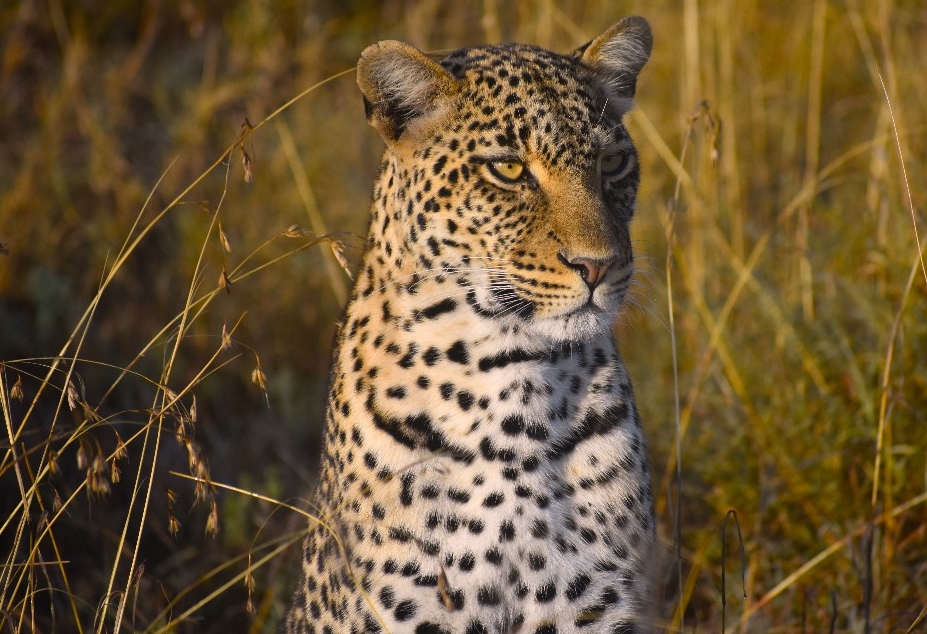
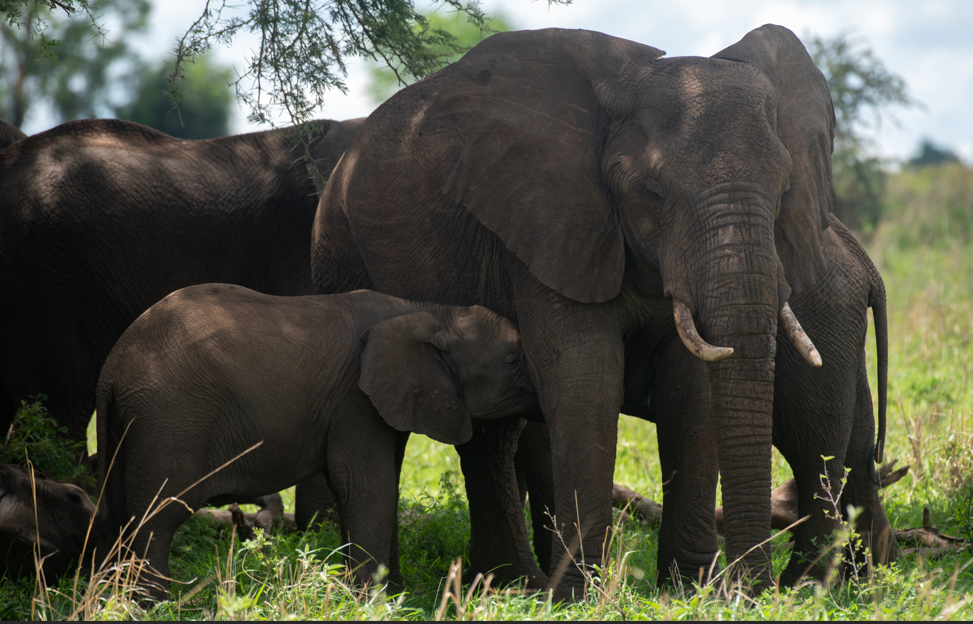
The endemic and rich wildlife species are one of the things that make Kidepo Valley National Park famous. The park is home to over 28 unique animal species, which are not found elsewhere in Uganda. These include Caracals, Bat-eared foxes, Aardwolves, Greater Kudus, Ostriches, Cheetahs, Lesser Kudus, Striped hyenas, Guenther’s Dik-Diks, hunting wild dogs, Klipspringers, Mountain reedbucks, Black-backed jackals, and more. The park also hosts other animals, which include the African Big Four: lions, elephants, buffalo, and leopards. Others include warthogs, elands, giraffes, civets, porcupines, servals, African wild cat, genets, zebras, oribis, impalas, bohor reedbucks, blue duikers, bush pigs, rock hyrax, African hare, ground squirrel, olive baboons, patas monkeys, black and white colobus monkeys, Aardvark, Nile rat, gerbil, Uganda Kobs, water bucks, bush backs and more. These animals can be seen while on game drives and nature walks. Game drives are conducted in Kidepo Valley and Narus Valley since they have high concentration of animals and water sources.
Unique Cultures.
Kidepo Valley National Park is one of the areas in Uganda celebrated for its unique cultures. The park is surrounded by two tribes, the Ik people, whose way of life is under threat and the Karamojong. These were the indigenous inhabitants of the park, but they were evicted in 1958 when the British government turned it into a game reserve to protect the big game that existed at that time. The Ik people moved into areas around Mount Morungole, and the Karamojong live around the park. A visit to these communities allows travellers to embrace the unique cultures of the people, as they will learn more about their lifestyles through traditional dances, storytelling, handicrafts and more.