Is Kidepo Valley National Park Worth Visiting.
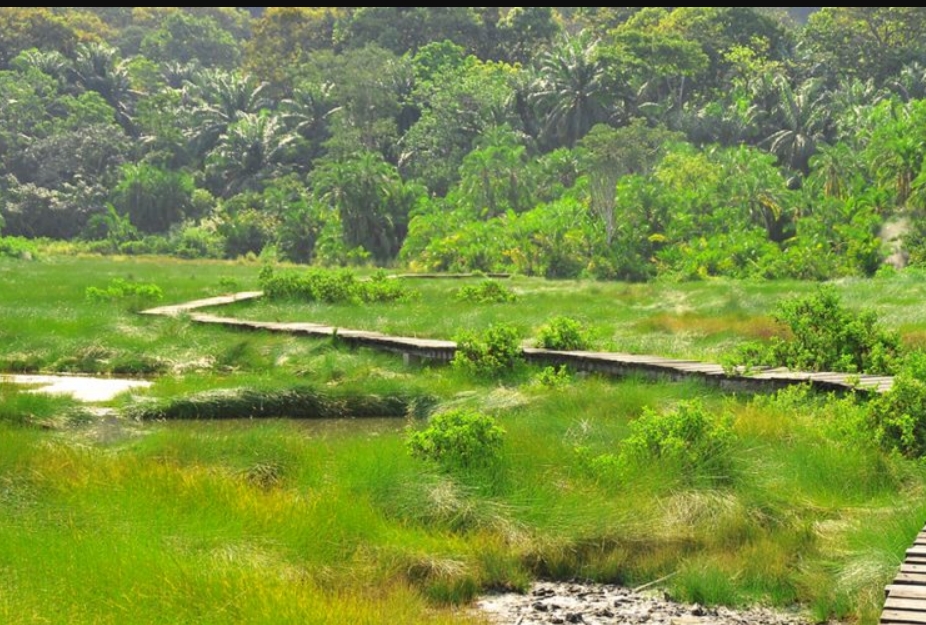
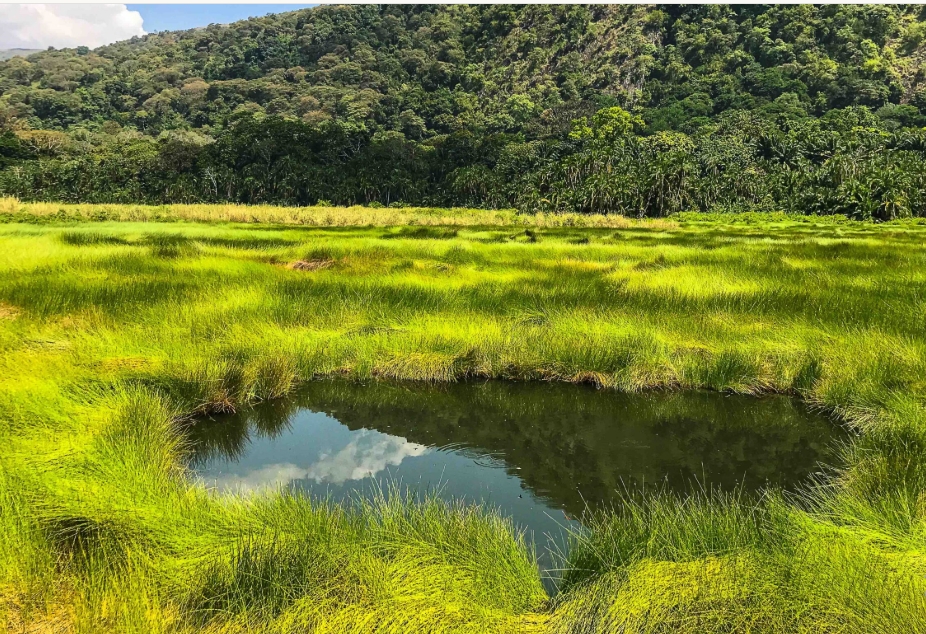
Travellers always ask if Kidepo Valley National Park is worth visiting when preparing a safari in Uganda. Kidepo is widely considered worth visiting, especially if you love wildlife, birding and a true wilderness experience. It’s one of the most remote and unique safari destinations in Uganda. The park is situated in the northeastern corner of Uganda, bordering South Sudan and Kenya. Kidepo Valley National Park is known for its open savannah grasslands, rugged mountain backdrops, and rich wildlife. It’s one of the largest parks in Uganda, covering an area of approximately 1,442 square kilometers. The park has a rich biodiversity, over 490 bird species like savannah birds, migratory birds, birds of prey and the park’s endemic species. It also hosts up to 78 mammal species, including those endemic to the park, like caracals, cheetahs, greater kudus, striped hyenas, aardwolves and more. The park offers various safari activities which cater to all clients’ interests, whether you’re a wildlife enthusiast, bird lover, or simply looking for an off the beaten path safari. Kidepo promises an unforgettable journey into the wild.
What makes Kidepo Valley National Park Worth Visiting.
Bird Watching Paradise.
Kidepo National Park is a paradise for bird watching, with over 490 bird species that call it home. These include 58 birds of prey, 16 Sudan and Guinea Savannah, 4 Guinea Congo Forest Biome species, 3 of Uganda’s 32 Somali- Masai Biome species, 21 Afro-Tropical highland species, migratory birds, savannah birds and the park’s endemic species. Kidepo Valley National Park is the second park in Uganda with the highest number of bird species after Queen Elizabeth National Park. It’s the only place where visitors can find common ostriches, and some of the bird species include Crowned Hornbill, African Gray Hornbill, Jackson’s Hornbill, Northern Red-billed Hornbill, Olive Bee-eater, Common Reed Warbler, White-throated Bee-eater, White-faced Whistling-Duck, Secretary Birds, Northern Camine bee-eaters, Abyssinian Scimitarbill, Purple Heron, Clapperton’s Francolin, Fulvous Whistling-Duck, Egyptian Goose, Garganey, Ring-necked Francolin, Orange River Francolin, Blue Quail, Harlequin Quail, Common Quail, Clapperton’s Spurfowl, Red-necked Spurfowl, Yellow-necked Spurfowl, Speckled Pigeon, Mourning Collared-Dove, Lemon Dove, Dusky Turtle-Dove, Emerald-spotted Wood-Dove, Vinaceous Dove, Laughing Dove, Ring-necked Dove, Black-billed Wood-Dove, Namaqua Dove, Blue-spotted Wood-Dove, Little Swift, Common Swift, Horus Swift, African Palm Swift, Buff-spotted Flufftail, White-spotted Flufftail, African Rail, Lesser Moorhen, Allen’s Gallinule, Black Crake
Incredible Wildlife.
The exceptional wildlife is one of the biggest reasons why Kidepo Valley National Park is worth visiting, and the feeling of seeing animals in a truly wild, untouched environment. The park is home to over 78 mammal species, including the African Big Four mammals, elephants, lions, leopards and buffalo. It’s blessed with unique species which are not found anywhere else in the country, such as caracals, cheetahs, bat-eared foxes, greater kudus, dikdiks, aardwolves and burchell’s zebras. Other mammal species found in the park include Uganda Kobs, oribis, waterbucks, elands, giraffes, hyenas, serval, impalas, topis, bushbucks, lesser kudu, bohor reedbuck, warthogs, bushpigs, porcupines, honey badger, African wildcat, genet and more. Mammals in the park are best seen during the game drives, either morning game drives or evening game drives and both provide an unforgettable safari experience in the park.
Unique Cultural Experiences.
The unique cultural experiences are one of the reasons why Kidepo Valley National Park is worth visiting. The park is surrounded by two unique tribes, the Ik people and the Karamojong. Visitors can meet the Karamojong, semi-nomadic herders known for their colourful beadwork, traditional dances and cultural ceremonies or the Ik people, a remote mountain community with distinctive customs and storytelling traditions. Guests can observe traditional farming and herding practices, try local foods and explore handicrafts such as jewellery, baskets and wood carvings. These authentic cultural experiences, often guided by community members themselves, provide a rare glimpse into ways of life that have remained largely unchanged for generations, making a trip to Kidepo truly immersive and unforgettable.