Where is Nyungwe Forest National Park located?
Where is Nyungwe Forest National Park located: The forest is one of the leading tourist destinations in Rwanda, located in southwestern part of the country along the border with Burundi, bordering Kibira National Park to the south, the Democratic Republic of Congo and Lake Kivu to the west. Nyungwe Forest is among the top leading ancient montane forests in Africa. The forest is located in the catchment area between the Nile River basin to the east and the Congo River to the west. The park is famous for its rich biodiversity and home to primate population, chimpanzees in particular, and several bird species.
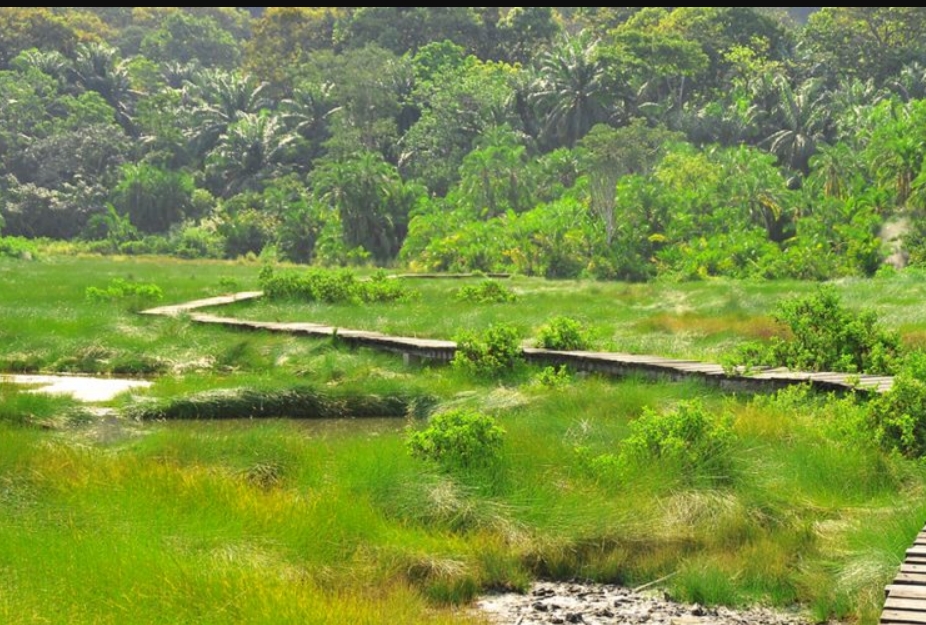
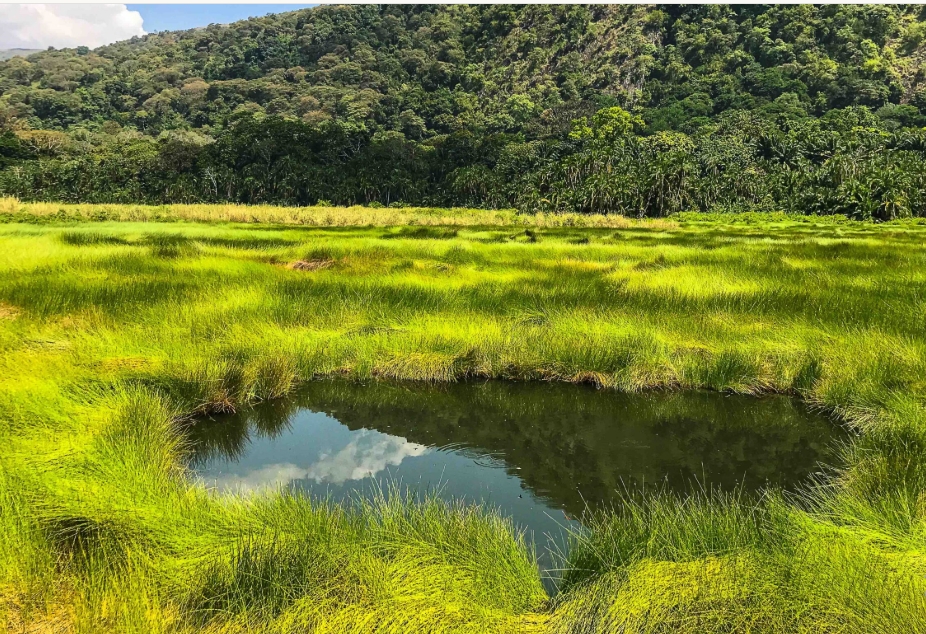
This lush jungle was established in 2004 in order to protect its unique ecosystem as part of the country’s conservation measures. The forest spans over 1,019 km2 of tropical rain forest, swamps, bamboo, bogs and grassland. In October 2020, the country’s autonomous wildlife body known as the Rwanda Development Board made an agreement with African parks to take charge of for an initial 20 years. Later, in 2023, Nyungwe Forest was added on the list and declared a UNESCO World Heritage Site.
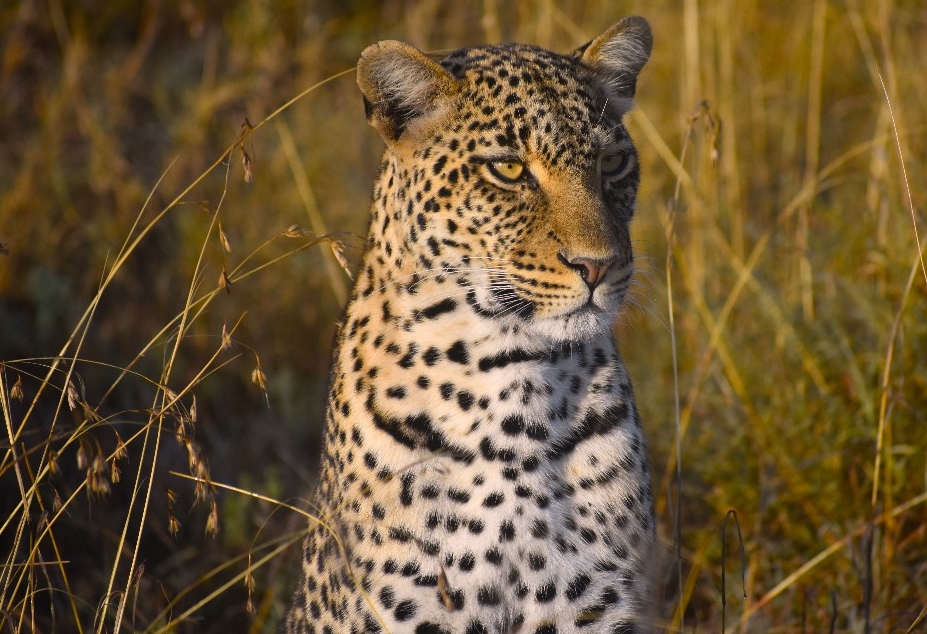
Nyungwe Forest National Park has a diverse range of wildlife species, giving it a precedence to wildlife conservation in Africa. This dense forest is strategically located, in which diverse- large scale biogeographical transition zones meet and several land or earthly biomes cover an extensive range of micro habitats to several species of flora and fauna.
Where is Nyungwe Forest National Park located: The park is home to over 13 primate species, contributing 25% of Africa’s primate population. Additionally, about 300 bird species, 30 of which are endemic to the Albertine Rift endemics, 85 mammals, 38 reptile’s species,1068 plants, and 32 amphibians. Most of these wildlife species are restricted-range species that are endemic to the Albertine Rift Afromontane forests region in Africa. This means that, this forest has the leading number of endemic species in the greater Albertine Rift. The forest, which stands at a maximum altitude of 3,000 m (9,800 ft), is of particular interest for the presence of colonies of chimpanzees and other primates such as mountain colobus, and Angola colobus (Colobus angolensis), the latter now is near extinction especially in Angola for the intense hunt to which they are subjected.
Primate species
Where is Nyungwe Forest National Park located: Nyungwe Forest national Park provides shelter to quite a number of unique primate species and these include Dent’s mona monkey (Cercopithecus denti), Ruwenzori colobus (Colobus angolensis ruwenzori), Hamlyn’s monkey (Cercopithecus hamlyni), Golden monkey (Cercopithecus kandti), L’Hoest’s monkey (Cercopithecus l’hoesti), Red-tailed monkey (Cercopithecus ascanius), Grey-cheeked mangabey (Lophocebus albigena), Olive baboon (Papio anubis), Vervet monkey (Chlorocebus pygerythrus), Common chimpanzee (Pan troglodytes), among others.
During the 1920s, the colonial government had got concerned about a bout the rising changes from forest to pasture land. The country’s laws governing its forest reserves interdicted clearing forest land for agriculture, but empowered the community with rights of getting fire wood with valuable exploitation of hardwood timber for commercial purposes. The enforcement was neglectful and instead the community went further to use the forest for farming, hunting, mining, honey collection, cutting wood, among others.
Later, Nyungwe Forest Reserve was gazetted in 1933 as a forest reserve by the Belgian colonial government, as a way of strengthening the park’s role in conserving both the country and the region’s ecosystem and its abundant wildlife species.
When Rwanda got its independence in 1962, her forest reserves were run by the Ministry of Agriculture. Between 1958 to 1973, due to fire out breaks and man’s activities such as farming, hunting, Nyungwe Forest was reduced to about 150 km2, on the other hand, the newly established Gishwati Mukura and Virunga forests were reduced by almost half during this time. The forest had several wildlife species such as elephants, few buffaloes, primates particularly chimpanzees, red-tailed monkeys, L’hoest monkeys, mangabeys among others.
During 1984, Nyungwe Forest was partitioned into areas to enforce sustainability and timber production as well. However, the Rwandan government still came up with a plan for a neutral zone and wildlife monitoring was also conducted by the wildlife Conservation Society (WCS), where over 400 individuals of colobus species where recorded, which was worthy of notice at that time.
In 1987, Uwinka registered some developments especially of the trail system, however by 1994, things turned upside down during the Rwanda Genocide destroyed the country, where several research tourist facilities were left in ruins in Uwinka. Most of the senior staff members were forced to fly out of the country leaving the country at the expense of the junior staff at Nyungwe Forest to protect the park. Although, after the 1994 Rwandan genocide, Nyungwe Forest began to rebuild, though security and stability were still uncertain, since most of the big game mammals such as elephants and buffalos were hardly seen.
Economic Implication
Economically, Nyungwe National Park contributes roughly $4.8 billion annually playing a vital role in Rwanda’s economy. The forest is managed by African parks, whose efforts aim at protecting the country’s wildlife, secure investment and promoting sustainability in the tourism industry. However, resident travelers account for an estimated 40- 50% of tourists, whereas international visitors roughly constitute for 35-40%, with prevailing efforts to encourage longer stays and increased outlays. This revenue supports sustainable tourism and conservation programs such as stability, infrastructure development, employment opportunities with a long-term plan focusing at balancing revenue together with environmental management.
Conclusion
Nyungwe Forest National Park reigns high among the top tourist destinations in Rwanda, a country of a thousand hills, due to its rich biodiversity including exceptional primates like the famous chimpanzees and others, giving it a priority to support Rwanda’s revenue, sustainable tourism and conservation in Africa.