Primates to See in Nyungwe Forest National Park.
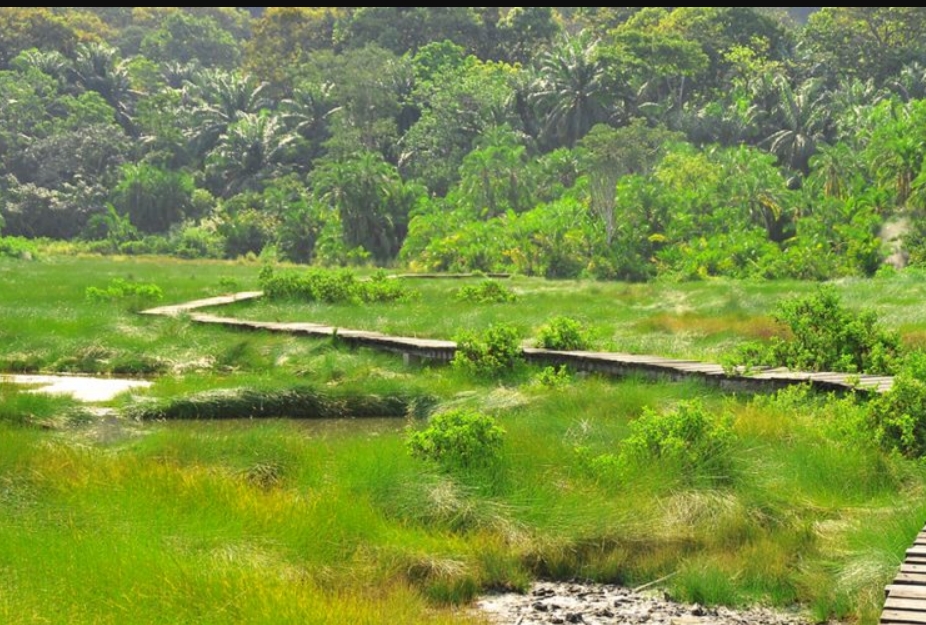
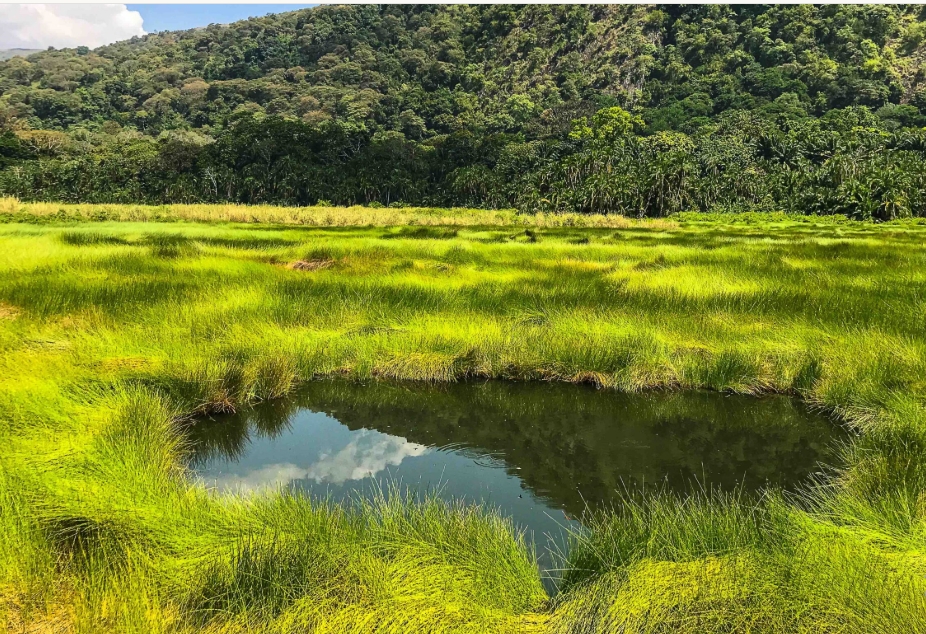
Primates to See in Nyungwe Forest National Park: Nyungwe Forest National Park is an incredible destination located in the southwestern region of Rwanda, known for being one of the remaining tropical rainforests in Africa. Covering an area of approximately 1,019 square kilometers, the park is famous for its rich biodiversity and is the best place in Africa to observe various primate species. Nyungwe is home to over 13 primate species, which account for 25% of Africa’s total primate population. Notably, two of these species the Owl-faced monkey and the L’Hoest’s monkey are endemic to the Albertine region and can only be found in Nyungwe.
In addition to its diverse primate population, Nyungwe National Park is a paradise for wildlife enthusiasts. The park boasts a wide range of species, including birds, mammals, butterflies, and numerous plant species, offering a variety of activities for visitors to enjoy. If you are planning a primate safari in Rwanda, Nyungwe Forest National Park is a must-visit destination that promises a memorable primate experience.
Primate Species to See in Nyungwe Forest National Park.
Nyungwe Forest is one of the best destinations in Africa for observing primates, as it is home to unique species that can only be found in the park. During a primate safari in Rwanda, you can choose between chimpanzee trekking or colobus monkey tracking, which allows tourists to get up close to these fascinating animals. Participants are given one hour to spend with the primates, observing their behaviours and interactions. The primates to see in Nyungwe National Park on your safari include:
- Chimpanzees
- Black and white colobus monkeys
- Owl-faced monkeys
- Bush babies
- Grey cheeked mangabey
- Dent’s monkey
- Olive monkeys
- Vervet monkeys
- Mona monkey
- Blue monkeys
- Red-tailed monkeys
- Olive baboons
- L’hotest’s monkey
Best Time to Visit the Park
Primates to See in Nyungwe Forest National Park: Nyungwe Forest National Park can be visited year-round for a primate safari, with the best time to visit depending on individual preferences. The park has two main seasons: the dry season and the wet season, both offering memorable safari experiences.
The dry season lasts from June to September and from December to February. During this time, there is little to no rainfall, making the trails less slippery and muddy, which facilitates exploration of the forest. The cool temperatures also enhance the experience. However, during the dry season, primates tend to move deeper into the forest in search of food, as there is often insufficient sustenance available. This means it may take more time to locate them.
In contrast, the wet season runs from March to May and from October to November and is characterized by frequent rainfall. While this creates muddy and slippery walking trails, it also means there is plenty of food available in the forest. As a result, primates are more likely to be seen close to the trails, making it easier and quicker to find them.
Whether you choose to embark on a primate safari during the dry or wet season, both offer unique and unforgettable experiences of coming face-to-face with these playful primates, ensuring that the trip is always worthwhile.