What is unique about Nyungwe Forest National Park
What is unique about Nyungwe Forest National Park: It is the second most visited park in Rwanda, following Volcanoes National Park, which is famous for gorilla trekking. Nyungwe Forest is one of the oldest tropical rainforests in Africa, having been established as a reserve by the German colonial government in 1903. In 2004, it was officially declared a national park by the Rwandan government.
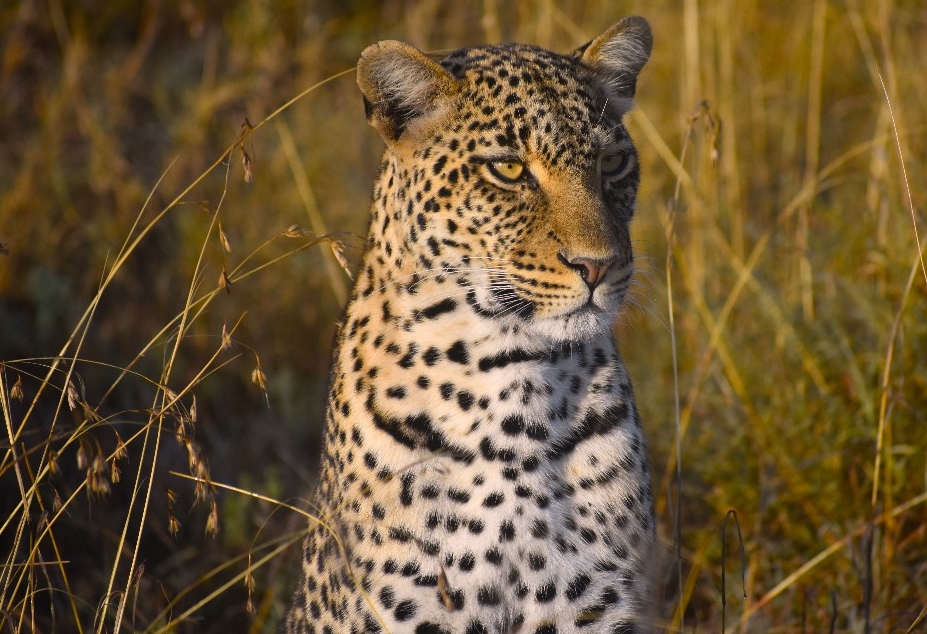
Renowned for its rich biodiversity, Nyungwe is home to over 86 mammal species, 13 primate species, 120 butterfly species, and 322 bird species, including many Albertine Rift endemics. This article will address a frequently asked question by travellers: What is unique about Nyungwe Forest National Park, and why is it a must-visit destination?
Nyungwe Forest receives approximately 2,000 mm of rainfall annually, which sustains its rivers and provides essential water resources for over 70% of the Rwandan population. The forest serves as a vital catchment area for the residents of Rwanda. Notably, it is the only place in East Africa where tourists can enjoy a canopy walk, offering a unique perspective of the forest and attracting numerous visitors. For nature enthusiasts, Nyungwe is the ideal location in Rwanda to experience the forest’s distinct beauty and ecological significance.
What is unique about Nyungwe Forest National Park.
Biodiversity of the Park.
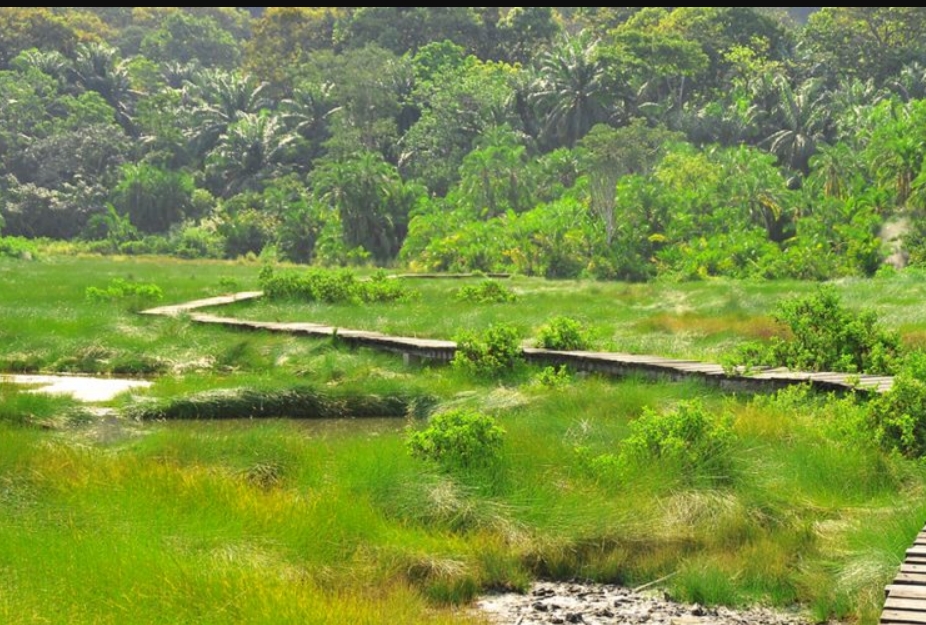
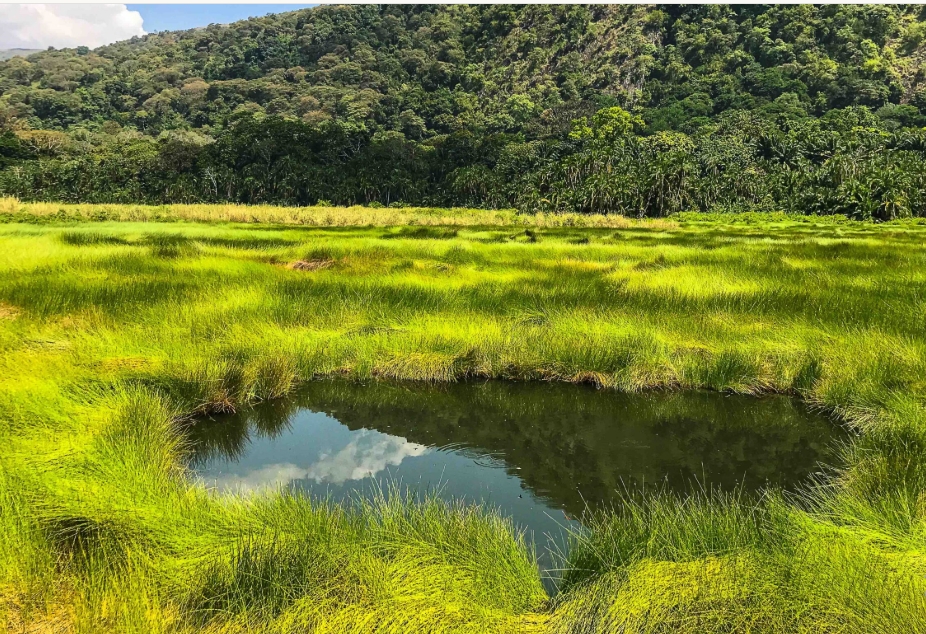
Nyungwe Forest National Park boasts a diverse range of ecosystems, including bamboo groves, grasslands, forests, wetlands, rivers, and waterfalls. These habitats support a wide array of wildlife, contributing significantly to the park’s biodiversity. The park is home to over 120 butterfly species, including 21 species endemic to the Albertine Rift and 40 species unique to the forest itself. Additionally, there are 87 mammal species and 13 primate species, such as chimpanzees, colobus monkeys, blue monkeys, and Mona monkeys.
For bird enthusiasts, Nyungwe Forest is a true paradise, featuring more than 322 bird species. Among them are 29 species endemic to the Albertine Rift, including the Regal Sunbird, Albertine Owlet, Purple-breasted Sunbird, Blue-headed Sunbird, Rwenzori Turaco, Red-collared Mountain Babbler, and Dusky Crimsonwing. All these elements contribute to the park’s rich biodiversity and offer visitors a wide range of activities to enjoy.
Birding Paradise- What is unique about Nyungwe Forest National Park.
Nyungwe National Park is one of Rwanda’s premier birding destinations, home to over 322 bird species, including several unique varieties found only in this region. This diversity is one of the standout features of Nyungwe Forest National Park. The park offers a range of birding trails suitable for all fitness levels, making it accessible for both beginners and experienced birders.
Visitors on a birding safari can look forward to spotting the incredible range of species, including more than 29 that are endemic to the Albertine Rift. Some notable birds you may encounter include the Albertine Owlet, Rockefeller’s Sunbird, African Emerald Cuckoo, Red-collared Babbler, Stripe-breasted Apalis, Mountain Masked Apalis, Dusky Crimsonwing, Dwarf Honeyguide, and Handsome Francolin Ruwenzori Double-collared Sunbird, Dusky Twinspot, Grauer’s Rush Warbler, Grauer’s Broadbill, Sharley’s Crimsonwing, Grey Parrot, Black Bee-eater, White-headed Woodhoopoe, Yellow-spotted Barbet, Ashy Flycatcher, Kivu Ground Thrush, Regal Sunbird, Purple-breasted Sunbird, Red-chested Cuckoo, Barred Long-tailed Cuckoo, among many more. If you’re planning a birding safari in Rwanda, Nyungwe Forest National Park should be high on your list, as it offers some of the best birding experiences in the country.
Primates of Nyungwe National Park.
Nyungwe Forest National Park is unique due to its diverse primate population, with over 25% of Africa’s total primate species found here. The park is home to more than 13 different primate species, making it the premier destination in Rwanda for chimpanzee trekking and colobus monkey tracking. The primates you can see in Nyungwe include chimpanzees, black and white colobus monkeys, red-tailed monkeys, L’Hoest’s monkeys, blue monkeys, Mona monkeys, olive baboons, bush babies, vervet monkeys, grey-cheeked mangabeys, olive monkeys, owl-faced monkeys, and Dent’s monkeys.
The Beautiful Scenery.
One of the unique features that makes Nyungwe Forest National Park stand out is its breathtaking scenery. The forest lies across a series of rolling mountains and deep in the valleys, blanketed with dense, ancient rainforest. Early morning mist drifts above the treetops, creating a magical and tranquil atmosphere that few places in Africa can match. The combination of lush greenery, sparkling streams, and distant hills gives Nyungwe a scenic beauty that feels untouched and timeless. This stunning landscape not only makes the park a haven for nature lovers but also offers perfect photo opportunities for visitors who want to experience the true beauty of Rwanda’s highland rainforests.
Canopy Walk
The canopy walk in Nyungwe Forest is one of the top activities to experience in the park. This exciting opportunity allows visitors to observe the forest from above on a suspended bridge that is 160 meters long and 70 meters high. The guided activity begins at the Uwinka reception center and leads to the Igishigishigi Trail, which is 2.1 kilometers long.
The canopy walkway provides a unique vantage point to appreciate the forest, as well as views of nearby attractions like Lake Kivu and tree plantations. During the walk, visitors can observe various forest inhabitants, including a variety of bird species, butterflies, and monkeys such as the colobus and blue monkeys, as well as olive baboons. The aerial perspective of the forest offers breathtaking views that are truly memorable. For nature lovers, experiencing the canopy walk is a must-have activity during a safari in Nyungwe Forest.