Bird species to see in Nyungwe Forest National Park
Nyungwe Forest National Park is a true paradise for bird lovers, attracting thousands of enthusiasts eager to explore its unique avian life. Recognized by BirdLife International as one of the most important birding areas in Rwanda, it plays a vital role in conservation efforts. As one of the oldest and most pristine tropical rainforests in Africa, it is celebrated as the best birding site in Rwanda, hosting a remarkable variety of bird species to se in Forest National Park.
Bird species to see in Nyungwe Forest National Park: The park is home to over 322 bird species, including 29 that are endemic to the Albertine Rift and can only be found in Nyungwe. Notable species include the Albertine Owlet, Regal Sunbird, Purple-breasted Sunbird, Blue-headed Sunbird, Red-collared Babbler, and Rwenzori Turaco, among many others.
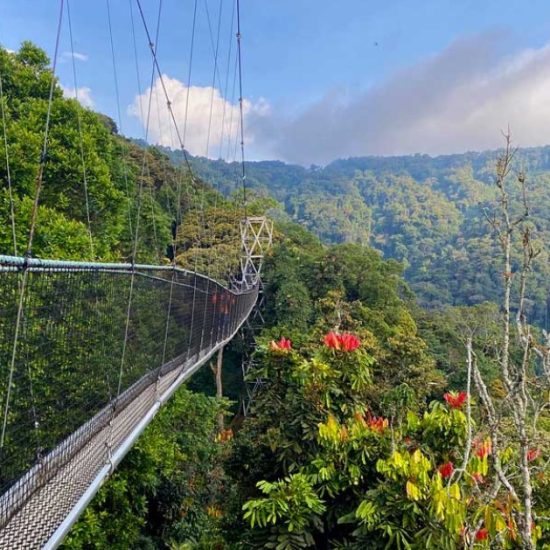
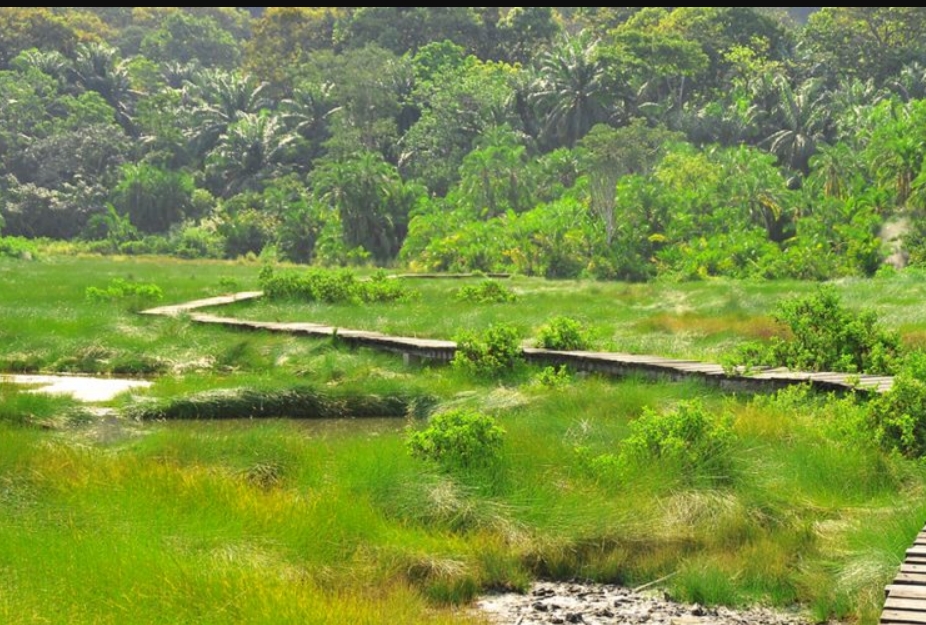
Visitors can enjoy bird watching amid the dense rainforest canopy and along open forest trails. Whether you are a passionate birder or a curious traveler, Nyungwe offers an unforgettable experience that showcases the richness of Rwanda’s natural heritage.
Bird species to see in the Park.
Nyungwe Forest National Park is home to over 322 bird species, making it a prime location for birdwatching enthusiasts. The park features well-constructed birding trails suitable for all fitness levels, offering a variety of experiences from easy to challenging hikes. To make the most of your birding safari, it’s advisable to take a birding checklist. This will help you explore the bird species you’re interested in and increase your chances of spotting them during your visit in Nyungwe Forest.
Some notable bird species you can see in Nyungwe Forest National Park include: Dusky Crimsonwing, Dwarf Honeyguide, Purple-breasted Sunbird, Archer’s Robin Chat, Regal Sunbird, Collared Apalis, Strange Weaver, Albertine Owlet, Rockefeller’s Sunbird, Red-collared Mountain Babbler, Yellow-eyed Black Flycatcher, Handsome Francolin, and Stripe-breasted Tit. Additionally, you might spot Ruwenzori Double-collared Sunbird, Dusky Twinspot, Grauer’s Rush Warbler, Grauer’s Broadbill, Chapin’s Flycatcher, Red-faced Crimsonwing, Neumann’s Warbler, Red-throated Alethe, Mountain Masked Apalis, and Ruwenzori Hill Babbler.
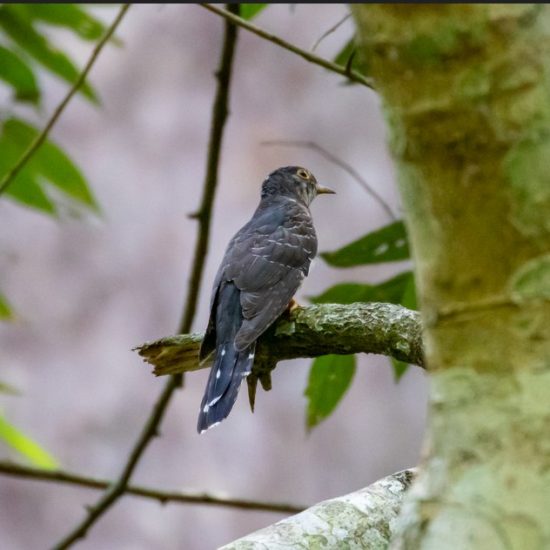
Other species include Blue-headed Sunbird, Kungwe Apalis, Yellow-spotted Barbet, Olive Woodpecker, Yellow-crested Woodpecker, Golden-crowned Woodpecker, Ashy Flycatcher, Kivu Ground Thrush, Holub’s Golden Weaver, Black-necked Weaver, Yellow-backed Weaver, and Yellow-throated Nicator. You may also see Willard’s Sooty Boubou, Doherty’s Bushshrike, Copper Sunbird, Red-chested Cuckoo, Barred Long-tailed Cuckoo, African Emerald Cuckoo, Malachite Sunbird, Baglafecht Weaver, Snowy-headed Robin-chat, Vieillot’s Black Weaver, White-eyed Slaty Flycatcher, and Sharpe’s Starling.
Lastly, keep an eye out for African Green Pigeon, Olive Pigeon, Tambourine Dove, African Scops Owl, African Wood Owl, Bar-tailed Trogon, Black-and-white Casqued Hornbill, Crowned Hornbill, Grey Parrot, Black Bee-eater, White-headed Woodhoopoe, Great Blue Turaco, Black-billed Turaco, Red-headed Malimbe, Little Greenbul, Slender-billed Greenbul, Variable Sunbird, Red-eyed Dove, and Bronze-naped Pigeon. This extensive variety showcases the rich birdlife and diverse habitats found throughout Nyungwe Forest National Park.
Best Time to Visit Nyungwe Forest National Park.
Nyungwe Forest National Park can be visited year-round for bird watching. However, the best time to explore the park is during the dry season, often referred to as peak season, which is characterized by minimal rainfall. During this time, the forest is easier to navigate, and the birding trails are less slippery, making it simpler to access all the birding spots within the park.
The wet season is also a good time for bird lovers, as the plants and trees bear fruits that provide food for the birds. This is a breeding season for many species, making it easier to spot them since the birds are less likely to venture deep into the forest in search of food. However, be prepared for muddy and slippery trails during this season, which can make navigating the park more challenging.