Butterflies in Nyungwe Forest National Park.
Nyungwe Forest National Park is renowned not only for its primates and bird species but also for its stunning butterflies. The park is home to over 120 butterfly species, including 40 that are endemic to Nyungwe Forest and 21 that are endemic to the Albertine Rift. On pleasant days, the forest bursts with vibrant colors from these butterflies, which gracefully flutter through the trees, adding charm and vibrancy to every trail. Their delicate movements and intricate patterns make them some of the most captivating invertebrates to encounter in this ancient rainforest. For nature lovers and photographers, spotting butterflies in Nyungwe Forest presents a magical glimpse into the park’s rich biodiversity.
Two butterfly species are unique to Nyungwe: Acraea turlini and Bebearia dowsetii. Additionally, Papilio leucotaenia is limited to a small area of the Albertine Rift but is commonly found in Nyungwe. The butterflies here come in various colors, including yellow, green, and red. As they absorb heat from their surroundings, they darken in color. These butterflies are distinctive because they lack chewing mouthparts. Instead, they possess a tubular, straw-like appendage called a proboscis, which allows them to sip nectar. They also taste with their feet and smell with their antennae, unique characteristics that only a few creatures in the world share. Male butterflies attract females by releasing pheromones from their abdomens.
Butterfly Species in Nyungwe Forest National Park.
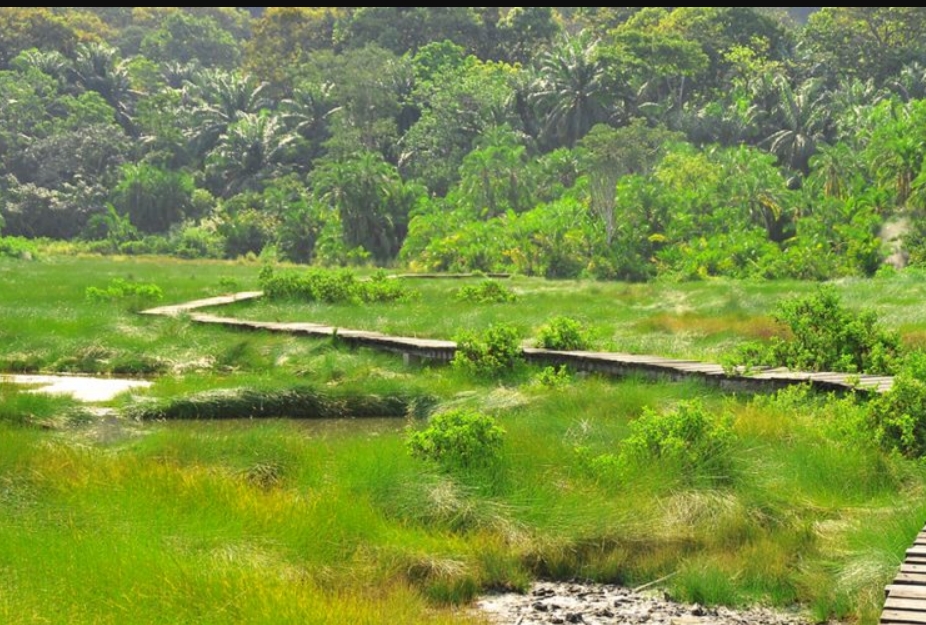
Nyungwe Forest is home to a diverse array of butterfly species that can be observed during a butterfly safari. Hiking along the Kamiranzovu trail offers butterfly enthusiasts a chance to see many butterflies. The blooming orchids in this area attract countless species, including the Gaudy Commodore, Forest Commodore, Eared Commodore, Beautiful Tiger, Blue Pied Pierrot, Palm Tree Nightfighter, African Albatross, Green-Banded Swallowtail, Silver Striped Charaxes, Meadow White, Leopard Fritillary, White-Banded Swift, Regal Swallowtail, Constantine’s Swallowtail, Eastern Dotted Border, Giant Cupids, Small Copper, Pale Ranger, Black and Orange, Grand Skipper, Soldier Commodore, Common Grass Yellow, Angled Grass Yellow, African Queen, Red Glider, Topaz Arab, African Clouded Yellow, Common Green Charaxes, Green-Veined Charaxes, Common Bush Blue, Grizzled Bush Brown, Dantate Bush Brown, Sudan Copper White, Brown-Veined White, Fragile Buff, Livid Ciliate Blue, Leaden Ciliate Blue, Long-Tailed Admiral, Tiny Acraea, Orange Acraea, Wandering Donkey, Natal Acraea, Elegant Acraea, Dancing Acraea, Black-Winged Acraea, Macken’s Skipper, and many more. These species contribute to the beauty of the forest.
Best Time to Visit Nyungwe
The best time to see butterflies in Nyungwe Forest National Park is during the rainy seasons from March to May and September to November, when the forest is full of bloom and nectar is abundant. During this season colourful swallowtails, pansies and acraeas flutter around forest clearings, trails, and sunlit edges, creating a magical spectacle for visitors during the drier months. The wet seasons offer the most rewarding encounters for nature lovers and photographers eager to capture Nyungwe’s dazzling invertebrate life. This this period the trails are slippery and muddy, so you have to be well prepared and carry a rain jacket, hiking boots, long-sleeved clothes, a camera with extra batteries, binoculars and more.