The Albertine Rift Endemics
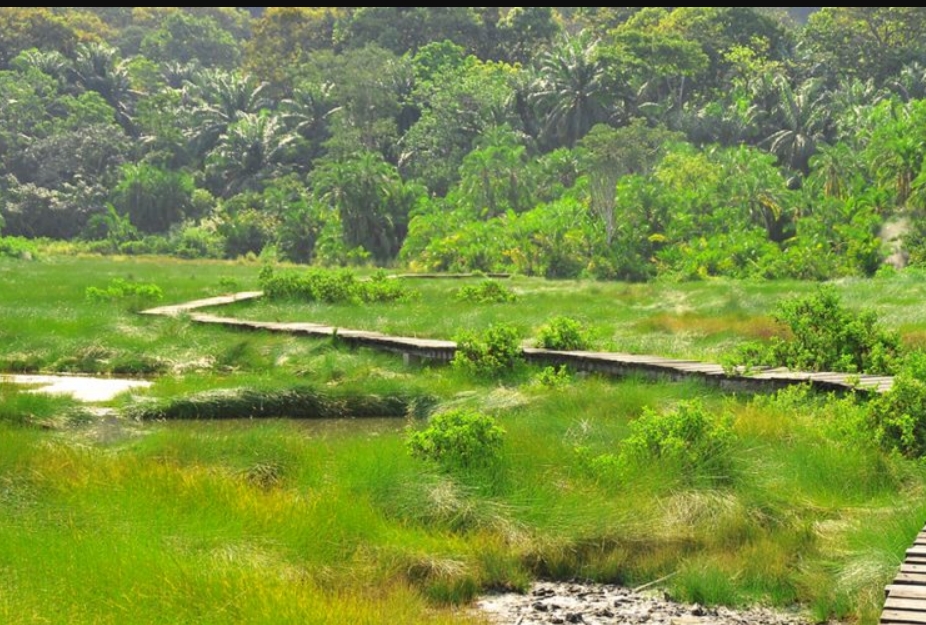
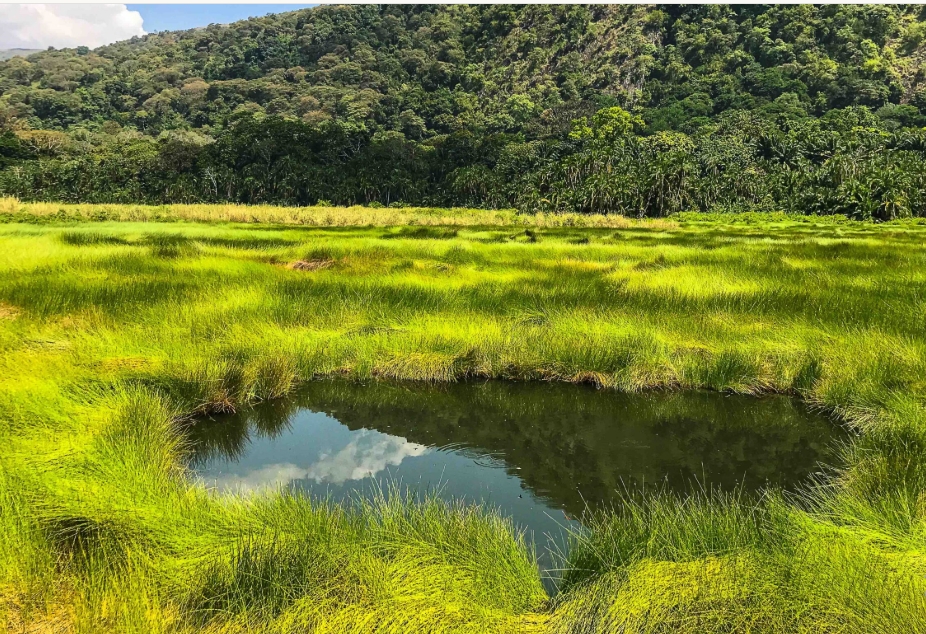
The Albertine Rift Endemics: The Albertine Rift, located in the western arm of the East African Great Rift Valley, is a rich zone with the most biodiversity on the African continent. It hosts numerous endemics, including over half of the birds in Africa, 40% of mammals, and approximately 20% of high-altitude tropical and afro-montane plants. This region is one of the havens of biodiversity, making it a must-visit destination for safaris in Uganda. As a meeting point of various climatic variations and ecosystems, the Albertine Rift is a blessing to Uganda, as many species can be found in neighboring countries like the Democratic Republic of Congo and West African jungles. Additionally, many species can be better sighted in forested habitats like the Kakamegas of Kenya and the jungles of Tanzania.
Uganda’s uniqueness lies in its diverse ranges within the Albertine Rift, a Panoramic and highly diverse biophysical zone. This area, which spans 500 km from Lake Tanganyika to Lake Albert, is exceptionally long and wide. The most protected animal is the endangered mountain gorilla, found only in the Virunga Conservation Area and Bwindi Impenetrable Forest. Other primate species include the Golden monkey, Rwenzori colobus, Blue Monkey, L’hoest’s Monkey, Black and White Colobus, Red Tailed Monkey, and abundant Olive Baboons. On sunny days, visitors can encounter numerous colorful butterflies, with only eight endemics to the Albertine Rift area.
Caracal Explorers offers birding trips around East African countries, covering 37 Albertine Rift endemics, with almost 50% of these being of global conservation concern. Birders, scientists, and researchers have seen and recorded all 37 species, with 9 endemics to the Democratic Republic of Congo. Out of the 37 Albertine Rift endemics, 20 are found in Uganda, Rwanda, and Burundi, leaving Tanzania with the least number, 2. The Bwindi Forest in Uganda is the paradise of birding in Africa and possibly the world, with all 24 recorded endemics occurring in the Bwindi Impenetrable Forest National Park, mostly in the Ruhija area. This area protects the leafy green Grauer’s Broadbill, which can also be found in the Itombwe Mountains and Kahuzi-Biega National Park in the Democratic Republic of Congo.
Bird Species Endemic to the Albertine Rift.
Uganda has several Important Birding Areas, including the Rwenzori Mountains, Mgahinga Gorilla National Park, and Echuya Forest Reserve. The Rwenzori Mountains, a UNESCO site with 17 Albertine Rift endemics, are home to Shelley’s Crimsonwing, one of the shyest species. The Echuya Forest Reserve has 12 species. Rwanda is also a great option for birding safaris, with 29 endemics on the eastern escarpment. The Nyungwe forests of Rwanda are particularly noteworthy, with the Karamoja-like Kungwe Apalis, the distinctive Red-collared Mountain Babbler, and the plain rufous-brown-backed Albertine Owlet among the specials. The Congo Bay Owl may also be found within this unique habitat.
The Albertine Rift Endemics are mostly found in the Itombwe Mountains, located near northern Lake Tanganyika in eastern Africa. This area has the largest block of montane forest in the region. There are 565 bird species here, with 31 being unique to the Albertine Rift and 3 found only in this area. One notable species is the Congo Bay Owl, which makes a mysterious “wok wok wok” call. This owl was first collected in 1952 but has not been seen again. Bird enthusiasts hope to spot it, highlighting the ancient connection of these central East African jungles to prehistoric times.
Habitats of Albertine Rift endemic birds in Uganda
Bird species to see include the Grauer’s Broadbill, which is best observed in Bwindi Ruhija. Other species include the Mountain masked Apalis in various regions, the Rwenzori Apalis, the Dwarf Honeyguide, and the Rwenzori Turaco, which can all be found in places like Bwindi and Mgahinga. The Archer’s Robin-chat is also spotted in these areas, along with the Red-throated Alethe and Kivu ground thrush.
The Handsome Francolin, found in Bwindi’s Ruhija section, is often spotted along the road between Ndego and the main gate to Mgahinga, Echuya, and Rwenzori. Other notable birds include Chapin’s Flycatcher, which can be seen in Bwindi Buhoma and the neck area, and the Rwenzori Nightjar, located in Bwindi Ruhija and the Rwenzori Mountains.
Neumann’s warbler is commonly heard around the Bwindi Buhoma rivers, while the dingy, dark olive Grauer’s warbler, Red-faced Woodland Warbler, and Grauer’s Rush Warbler are seen in multiple locations. The list continues with birds like Rwenzori Batis, Regal Sunbird, and Purple-breasted Sunbird, all found in places like Bwindi and the Rwenzoris. Many other birds are also mentioned, showing the region’s rich bird diversity.
Birds to see include the Dwarf Honeyguide Indicator pumilio, seen in Bwindi Ruhija and the neck area, and Chapin’s Flycatcher Muscicapa lendu, seen in Bwindi Buhoma and the neck area. Rwenzori Nightjar Caprimulgus Rwenzori seen in Bwindi Ruhija and the Rwenzori Mountains; Kivu ground thrush (Zoothera tanganjicae), seen in Mgahinga, Echuya, Bwindi and the Rwenzoris; and the Grauer’s Broadbill (Pseudocalyptomena graueri), best seen in Bwindi Ruhija section and the neck, Rwenzori Batis Batis diops, Yellow-eyed black flycatcher, Melaenornis ardesiascus, seen in Bwindi; Rwenzori, Mountain masked (Black Faced) Apalis Apalis personata – Bwindi, Mgahinga and Rwenzori mountains, Rwenzori Apalis Apalis Rwenzori are seen in Bwindi, Mgahinga, Rwenzori, and Echuya, with a record in Kibale.
The Handsome Francolin (Francolinus nobilis) is easily seen in Bwindi’s Ruhija section, mostly on the road between Ndego and the main gate, Mgahinga, Echuya, and Rwenzori. Rwenzori Turaco Tauraco johnstoni, seen in Mgahinga, Rwenzoris and Echuya, Archer’s Robin-chat Cossypha archeri, Seen in Mgahinga, Echuya, Bwindi, Purple-breasted Sunbird Nectarinia purpureiventris, seen in Bwindi, Mgahinga, Rwenzori and Echuya; Stripe-breasted Tit Parus fasciiventer, seen in Mgahinga, Bwindi, and the Ruhija area, Red-throated Alethe (Alethe poliophrys, seen in Bwindi, Echuya and the Rwenzoris; Dusky Crimsonwing (Cryptospiza jacksoni), seen in Bwindi, Echuya, Mgahinga and Rwenzori, Neumann’s warbler Hemitesia neumanni, is always heard and seen around the Bwindi Buhoma forest rivers; Regal Sunbird, Cinnyris, is seen in in Bwindi Ruhija and the neck area, Mgahinga, Echuya and Rwenzori; and the dingy dark Olive Grauer’s Warbler Graueria Vittata, seen in Bwindi, mostly in Ruhija.
Red-faced Woodland Warbler Phylloscopus laetus, seen in Bwindi, Mgahinga, Echuya, the Rwenzoris, and some records in Kibale Forest. Blue-headed sunbird Nectarinia alinae, seen in Bwindi, Mgahinga, and Rwenzori, Strange Weaver Ploceus alienus, seen in Bwindi, mostly in the Ruhija section, Echuya, Mgahinga, and Rwenzori, Shelley’s Crimsonwing Cryptospiza shelleyi, seen in Mgahinga and Rwenzori, Grauer’s Rush Warbler (Bradypterus grouri), seen in Bwindi, Mgahinga, Echuya, and Rwenzori, among others.
Best time to go birding in Uganda
Birding in Uganda, particularly the Albertine Rift Endemics, can be done all year round, but the best time to go birding is during the dry season, which runs from June to August and December to February, since most of the bird species are always in their breeding season. During this dry season, the forest also has plenty of food from the past rains of March to May, making them very active, lively, and attractive.