Exploring the Rich Biodiversity of the Albertine Rift
Exploring the Rich Biodiversity of the Albertine Rift: The Albertine Rift is the area which lies along the western arm of the East African Rift Valley, spanning countries of Rwanda, Uganda, Tanzania, Burundi and the Democratic Republic of Congo. These countries host unique and several wildlife species such as animals, primates, birds, butterflies among others that are not seen any where else.
This zone is unique with a rich biodiversity on the African continent with iconic, rare, endemic, vulnerable, threatened and critically endangered species, contributing to almost half of Africa’s bird population. It is also rich in several mammals, primates, insects and high altitude tropical and afro-montane plants, trees and vertebrates, making it a unique haven you dare not to miss.
Due to Uganda’s favorable climate zones and ecosystems this makes it a unique region with various climates and ecosystems, making it home to many species found in neighboring countries like the Democratic Republic of Congo and the jungles of West Africa. In eastern habitats, species are often better seen in places like Kakamega Forest in Kenya and jungles in Tanzania. Uganda’s uniqueness lies in its many species that are only found in the Albertine Rift, a diverse and beautiful area. This zone stretches about 500 km long and 30 to 100 km wide, connecting Afro-montane environments within the Rift Valley.
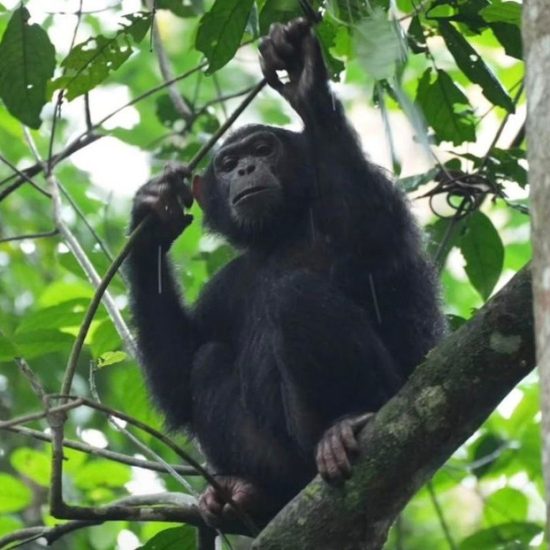
The endangered mountain gorillas, found in the Virunga conservation area which is home to the three gorilla parks and Bwindi Impenetrable Forest, is a dream primate for many nature and primates’ lovers. Other primates in this ecosystem include the Golden monkey, Blue Monkey, and Olive Baboons. While walking in the forest, you can see many colorful butterflies, with eight being unique to the Albertine Rift area.
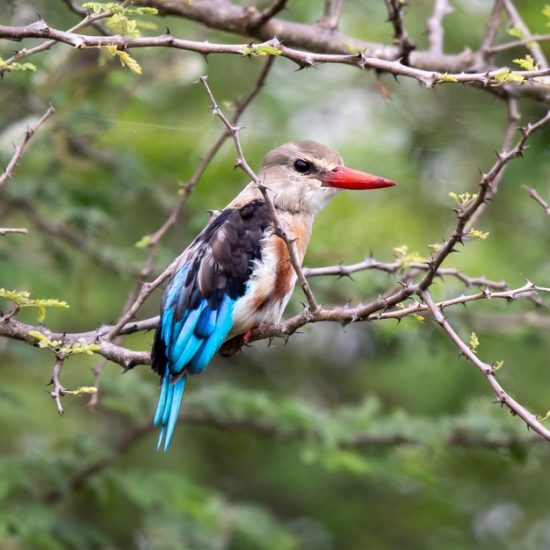
Caracal Explorers offers trips for bird enthusiasts, highlighting 37 unique bird species found in the Albertine Rift across five countries. About 50% of these species are important for global conservation. Research carried out by ornithologists, researchers, scientists, and birdwatchers have so far recorded over 37 species, 9 of which are exclusive to the area.
Out of the 37 Albertine Rift bird species, 20 are found in Uganda, Rwanda, and Burundi, while Tanzania has only 2. Uganda’s Bwindi Impenetrable Forest National Park is a key site for birdwatching, hosting all 24 Albertine Rift endemics recorded in the area, mainly in the Ruhija section. Birdwatchers especially hope to see the Grauer’s Broadbill, which is also found in the Itombwe Mountains and Kahuzi-Biega National Park in the Democratic Republic of Congo.
Bird species Endemic to the Albertine Rift.
Exploring the Rich Biodiversity of the Albertine Rift: Uganda has several Important Birding Areas aside from Bwindi Forest. The Rwenzori Mountains are a UNESCO site with 17 unique bird species. Mgahinga Gorilla National Park is home to the shy Shelley’s Crimsonwing and has 14 unique species, while Echuya Forest reserve has 12 species.
When birdwatching in the Albertine rift, pay attention to Rwanda, as it offers species not easily found in Uganda. Nyungwe National Park has 29 unique bird species, including the Kungwe Apalis, Red-collared Mountain Babbler, and Albertine Owlet. There also higher chances of seeing the elusive Congo Bay Owl in this unique area entirely in Africa.
These Albertine Rift Endemics usually reside in large montane forest of the Itombwe Mountains near northern Lake Tanganyika. It is home to 565 bird species, 31 unique to the Albertine Rift, with 3 species found nowhere else. For instance, the unique Congo Bay Owl, commonly known for its interesting vocalizations “wok wok wok.” It was first collected in 1952 but hasn’t been seen since. Birdwatchers hope to observe it in this region of Africa. The owl is related to extinct Asian species, highlighting the ancient nature of East African jungles shaped by past climate changes.
Birds to see -Exploring the Rich Biodiversity of the Albertine Rift
Chapin’s Flycatcher, Rwenzori Nightjar, Grauer’s Broadbill, Mountain Masked Apalis, Rwenzori Apalis, Dwarf Honeyguide, Purple-breasted Sunbird, Rwenzori blue-headed Sunbird, Strange Weaver, Shelley’s Crimsonwing, Dusky Crimsonwing, Stripe-breasted Tit, Red-faced Woodland Warbler is seen in Bwindi, Mgahinga, Echuya, Rwenzoris, and some records in Kibale Forest. Grauer’s Rush Warbler, always seen in Bwindi, Mgahinga, Echuya, and Rwenzori, Rwenzori Batis, Batis diops; Yellow-eyed Black Flycatcher, seen in Bwindi; Regal Sunbird, Cinnyris regia, seen in Bwindi, Ruhija, and the neck area, Mgahinga, Echuya, and Rwenzori.
Handsome Francolin, Rwenzori Turaco (Tauraco johnstoni), seen in Mgahinga, the Rwenzoris, and Echuya; Archer’s Robin-chat Cossypha archeri, Seen in Mgahinga, Echuya, Bwindi, and the Rwenzoris, Red-throated alethe, seen in Bwindi, Echuya, and the Rwenzoris, Kivu Ground Thrush, seen in Mgahinga, Echuya, Bwindi, and the Rwenzoris; Neumann’s Warbler, always heard and seen around the Bwindi Buhoma forest rivers; Grauer’s Warbler, Graueria Vittata, seen in Bwindi, mostly in Ruhija, among others.
Conclusion
Since the Albertine Rift receives too much rainfall almost throughout the year, some months especially the dry months which occurs from June to August are the best times to see bird species. These birds include the Grauer’s Swamp Warbler, Shelly’s Crimsonwing, Mountain Masked Apalis, Regal Sunbird among others. This is because this is the breeding season, meaning that most of the birds are within the area.