Conserving the Albertine Rift’s Unique Wildlife
Conserving the Albertine Rift’s Unique Wildlife: The Albertine Rift is located on the western arm of the great Rift East African Rift Valley, spanning parts of Tanzania, Uganda, Rwanda, and the Democratic Republic of Congo. This Rift Valley Zone stretches from the southern part of Lake Tanganyika to the northern edge of Lake Albert, which is shared by Uganda and the Democratic Republic of Congo.
This Albertine Rift forms the western arm of Africa’s Great Rift Valley, with unique geographical landforms stretching from the Ufipa Plateau, including Mbizi and the highlands of the Rukwa region in southern Tanzania, Kigoma and Mpanda regions in Tanzania and parts of northwest Zambia, Itombwe to Marungu in Katanga on the south western part of the Democratic Republic of Congo (DRC), North and South Kivu in the Democratic Republic of Congo (DRC), Western Rwanda and Burundi, via the dense forests of Western Uganda and the Kigezi Highlands, upwards to the Lendu Plateau, Ituri and Kibali river basins in the Democratic Republic of Congo (DRC), among others.
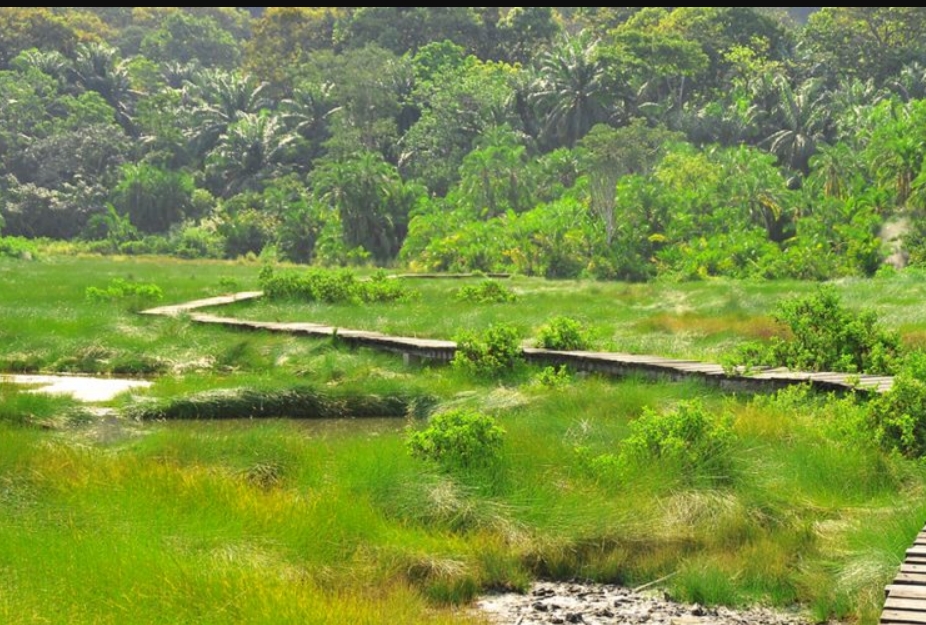
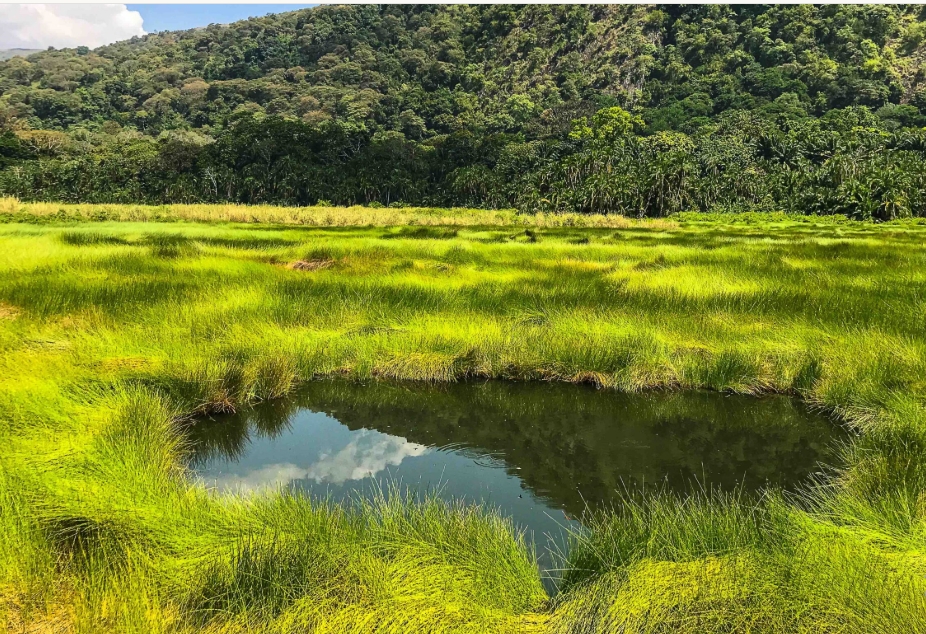
The northern part of the rift has two major mountain ranges: the Rwenzori Mountains and the Virunga Mountains. These iconic Virunga Mountains divid the Nile Basin in the northern and eastern parts from the Congo Basin in the west and south. Lake Rutenzige receives water from several large rivers, including the Rutshuru River, and drains into Lake Albert through the Semliki River.
The Victoria Nile flows from Lake Victoria into Lake Albert and continues as the White Nile to the Mediterranean Sea. South of the Virunga Mountains, Lake Kivu drains into Lake Tanganyika via the Ruzizi River. This current water system likely formed recently due to volcanic activity that altered water flow. The Lukuga River emerged later, allowing aquatic species from the Congo Basin to move into Lake Tanganyika, which previously had unique wildlife.
This extensive biodiversity corridor forms one of the top varied and rich ecosystems on the planet, with unique and endemic wildlife species such as mammals, bird species, and insects, among others. More still, this expensive ecological corridor hosts more vertebrate, endemic, and threatened species than anywhere else around Africa and the world at large.
Endemic birds to see include:
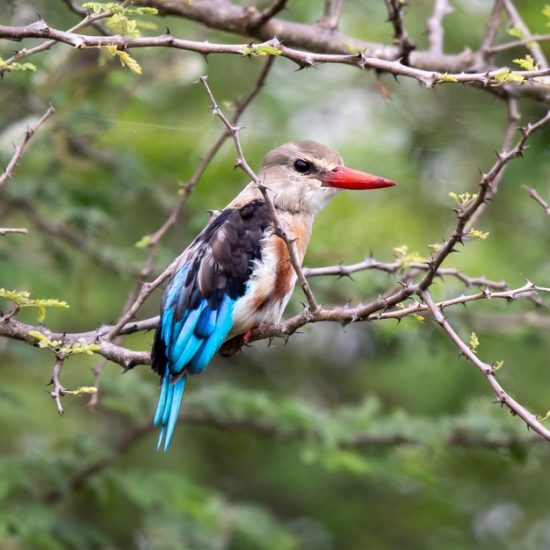
Since the Albertine Rift is an international recognized Endemic Bird Area, since most of these birds inhabit the tropical and montane forests, as well as wetlands. It hosts over 41 bird species that are restricted to this area and cannot be seen anywhere else. This has attracted many birdwatchers, nature lovers, and ornithologists, making it a top destination globally. Some of these species include:
Regal Sunbird, Grauer’s Broadbill, Albertine Owlet, Shelly’s Crimsonwing, Strange Weaver
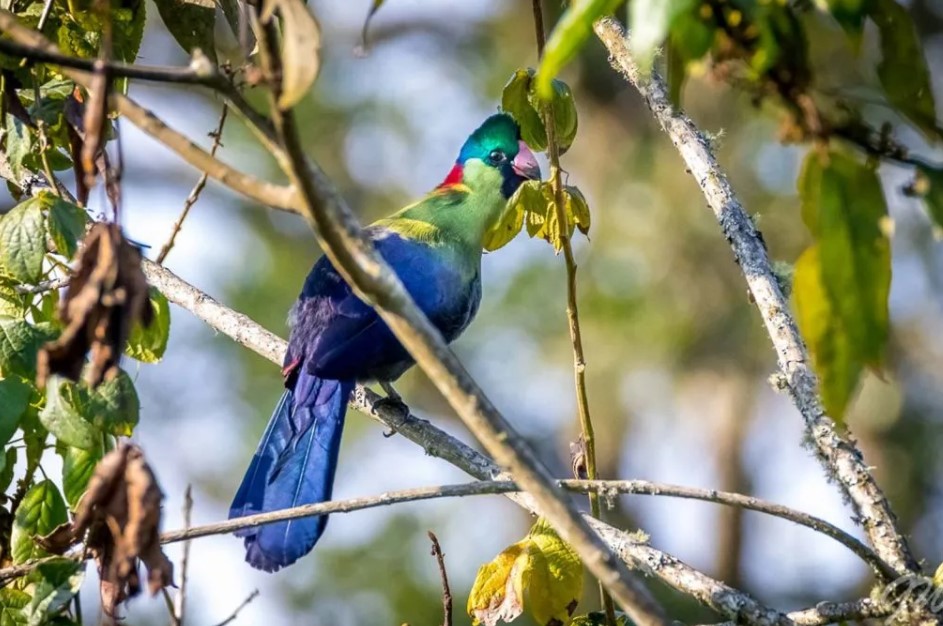
Dwarf Honeyguide, Dusky Crimsonwing, Red-throated Alethe, Grauer’s Warbler, Rwenzori Apalis, Strange Weaver, Rockeffer’s Sunbird, Rwenzori Batis, Handsome Francolin, Archer’s Robin-chat, Rwenzori Turaco, Congo Bay Owl, among others.
Animal species
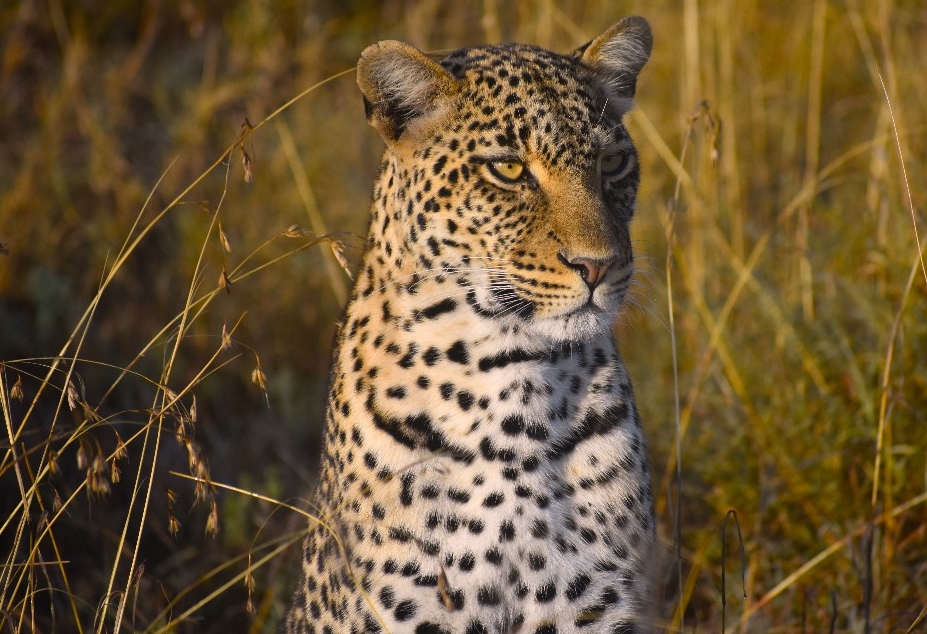
Conserving the Albertine Rift’s Unique Wildlife:Mountain gorillas, Rwenzori Duiker, Forest hog hyrax, Rwenzori Colobus, leopard, blue monkeys, chimpanzees, bats, shrew, golden monkeys, the near-endemic L’hoest monkey, and rodents, among others. Some of them always reside in high-altitude mountain ranges, such as the Rwenzori Duiker, while others are endemic to the Virunga volcanoes, such as the golden monkeys.
Plants species
Due to its rich and valued ecosystems, the Albertine Rift supports over 560 endemic plants, where Virunga National Park leads with 230 endemic plants, followed by Kahuzi-Biega National Park with 145 plant species, Nyungwe Forest National Park with 137 plant species, Virunga Volcanoes with over 124 plant species, incredibly supporting immensely the zonal floral richness. These forests play are instrumental role in sustainability in terms of ecological preservation, providing watershed protection, diverse medicinal plants, and habitats for other living organisms such as amphibians, vertebrates, reptiles, among others.
Butterfly species
Conserving the Albertine Rift’s Unique Wildlife: This region is treasured with unique and endemic butterflies totaling to over 117 species with 49 subdivisions, that are rarely seen anywhere else, contributing about 3.2% of Africa’s entire butterfly species. These species are distributed among countries of the Albertine Rift, including the Democratic Republic of Congo with 43, Uganda 44, Rwanda 28, Burundi 16, Tanzania 9, and Zambia 1. This diversity takes precedence and exceeds the renowned Eastern Arc Mountains in Tanzania and Kenya.
Conclusion
The unique Albertine Rift is one of Africa’s outstanding if not the best conservation regions with valued and diverse irreplaceable biodiversity. It contributes to almost half of the continent’s wildlife population, including endemic animals, birds, butterflies, vertebrates, and many others that are restricted to this region, not anywhere else.