A Guide To Nyungwe National Park.
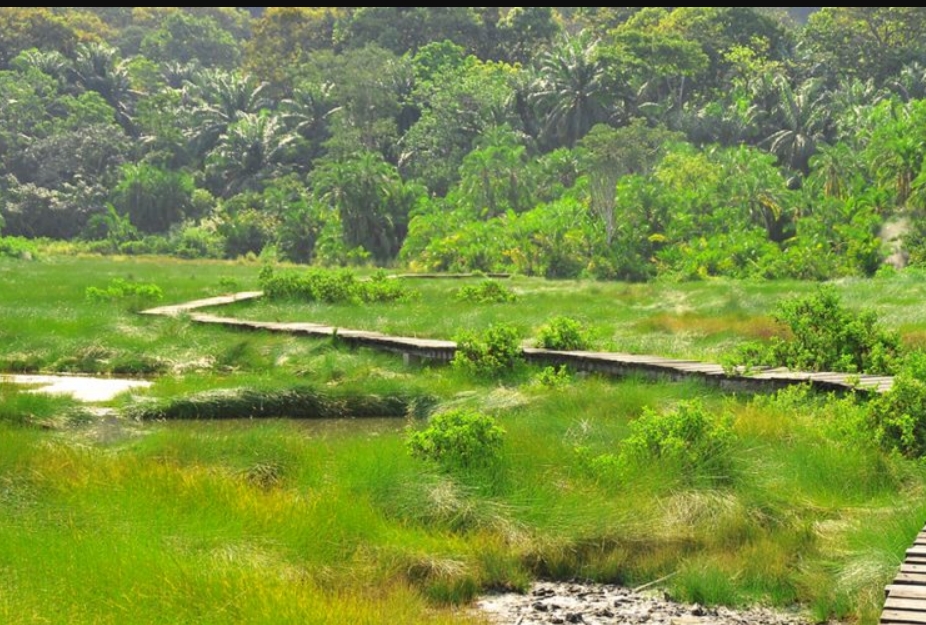
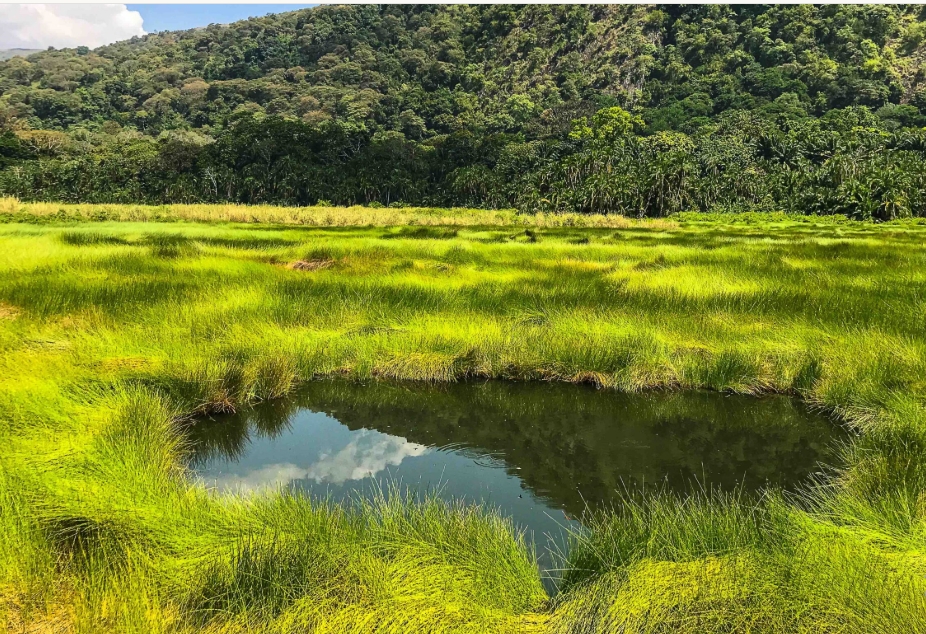
Nyungwe National Park is a hidden gem and a must-visit destination in Rwanda, known as the second-most visited park in the country. This breathtaking park features the oldest surviving montane rainforest in East Africa, covering an impressive 1,016 square kilometers. This guide to Nyungwe National Park will help you understand its treasure trove of biodiversity, showcasing more than 13 primate species, including the playful chimpanzees and the striking black-and-white colobus monkeys. Bird lovers will revel in the 322 unique bird species, many of which are endemic to the Rift Valley. Nyungwe is also home to 85 mammal species, 1,051 plant varieties, and a dazzling array of 120 different kinds of butterflies that add to the park’s enchanting landscape. It truly exemplifies the beauty of nature, making it an essential destination for any traveller seeking adventure and tranquillity amid stunning greenery.
Where To Find The Park
Nyungwe National Park is located approximately 210 to 225 kilometers southwest of Kigali city, bordering Lake Kivu to the west and Burundi to the south. The drive typically takes around 5 to 6 hours, depending on your chosen route, any stops you make along the way, and your mode of transportation.
Where To Stay.
Nyungwe offers various accommodations catering to different budgets, including budget lodges, mid-range options, and luxury stays. For a luxurious experience, you can choose between One&Only Nyungwe and Nyungwe Forest Lodge. If you’re looking for mid-range options, consider Nyungwe Nziza Eco Lodge, Virunga Inn Resort, Rwiza Village, or Emeraude Kivu. For those on a budget, there are wilderness campsites, Gisakura Guest House, and Uwinka Visitor Centre. All of these accommodations are eco-friendly and provide visitors with unique experiences.
Things To Do In Nyungwe National Park
Canopy walk
This premier eco-tourism experience is situated 70 meters above sea level. The highlight is a 160-meter-long suspended bridge that offers visitors a unique opportunity to explore the tropical montane forest from above, providing stunning views of the landscape. The park features well-maintained trails, including the Igishigishigi Trail, the shortest of the options, as well as the Imbaraga Trail and the Umuyove Trail. Each of these trails offers a distinct experience for visitors. While walking through the forest, guests can enjoy breathtaking views above the treetops, where they might spot various bird species and beautiful butterflies. Additionally, there is a chance to see playful chimpanzees swinging between the trees. For safety reasons, the minimum age for participating in the canopy walk is 6 years, and it is best suited for individuals who are comfortable with heights. If you are afraid of heights, consider this before participating in the canopy walk.
Chimpanzee Trekking- A Guide to Nyungwe National Park
The park is home to approximately 500 chimpanzees, making it the second highest population of chimpanzees in East Africa after Kibale National Park in Uganda. This is an exciting activity where guests have the opportunity to observe our closest relatives up close. You can witness how they eat, mothers cuddling their baby chimpanzees, and playful interactions among them, similar to how humans live. This experience is a must-add to your bucket list. It begins at 5 AM, with guests divided into groups, each consisting of a maximum of 8 members, accompanied by a ranger who leads the group. The forest has slippery terrain, so it’s important to wear comfortable hiking shoes and to bring a weatherproof jacket in case it rains. Dress in long-sleeved shirts and long trousers to protect yourself from the undergrowth in case you veer off the trails. Don’t forget to bring binoculars for a better view of the chimpanzees, especially if you spot them up high in the trees, playing or resting.
Hiking
Nyungwe is home to stunning hilly rock parks that enhance the beauty of the forest and provide excellent hiking opportunities. This remarkable topography features various hiking trails that adventure enthusiasts can enjoy. Among the notable trails are the Bigugu Trail, One and Only Nyungwe house Trail, Isumo and Rukuzi Trail, among others. These trails cater to different levels of difficulty, ranging from challenging to easier routes, with options for both short and long hikes, taking into account the physical fitness of our clients. Each trail offers unique and breathtaking experiences, allowing you to soak in the beautiful scenery of the forest, rejuvenate your soul. The hikes are truly worth it!
Bird watching- A Guide to Nyungwe National Park
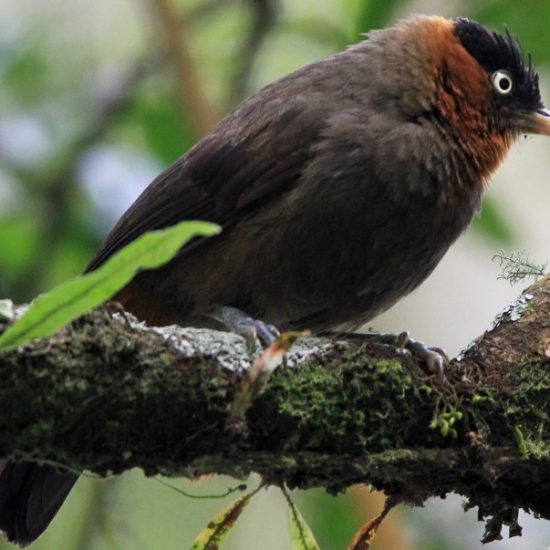
The Park is a birder’s paradise, which gives bird lovers a chance to explore over 323 bird species, of which 29 species are endemic to the Albertine Rift valley. The forest has well-marked trails which are used for bird watching, including Irebero trail, Karamba trail, Rukuzi trail, Ngabwe trail, Kamiranzovu trail, among others. Birds you can spot in Nyungwe National Park include Red collared babbler, the Rwenzori nightjar, Rockefellers sun bird, Congo bay owlet, Chapin’s flycatcher, Rwenzori turaco, Chestnut owlet, Blue headed sun bird, Crimson wing, Regal sunbird, rare Albertine owlet, Archer’s Roin- chat, Grauer’s swamp warbler, Yellow-eyed black fly catchers, stripe-breasted Tit, Purple-breasted sunbird, Eastern mountain greenbul among other birds.
How To Get There
You can get to Nyungwe National Park by using a domestic flight provided by RwandAir from Kigali to Kamembe Airport, or you can use a charter helicopter provided by Akagera Aviation, which takes about 45 minutes to reach the park. Tourists can decide to land at the lodge of their choice using a chartered helicopter. Alternatively, you can use road transport from Kigali city to the park, around a 5-6 hour drive, where you will have a chance to glance at the magnificent view of the country along the way. The trip always has different stopovers depending on your itinerary and time of arrival, including the royal palace, the Ethnographic Museum in Butare, among others.
Best Time To Visit
Nyungwe National Park can be visited year-round however, the best time to visit is during the dry seasons, which typically run from June to September and December to February. These months offer the most favorable weather conditions for wildlife viewing and hiking, with lower chances of rainfall making the trails more accessible. The park is also less muddy, making it easier to spot animals and enjoy the lush landscapes. However, some prefer to visit in the rainy season between March to June and October to November. During this period, accommodations give discounts to travelers, and the forest is green, these months favour budget travelers.