Primates in Nyungwe Forest National Park.
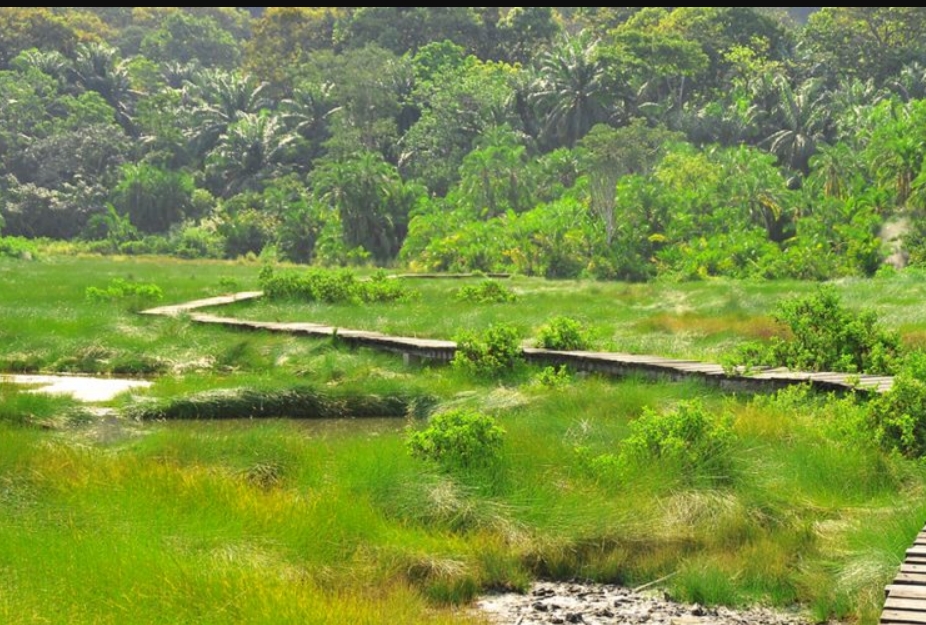
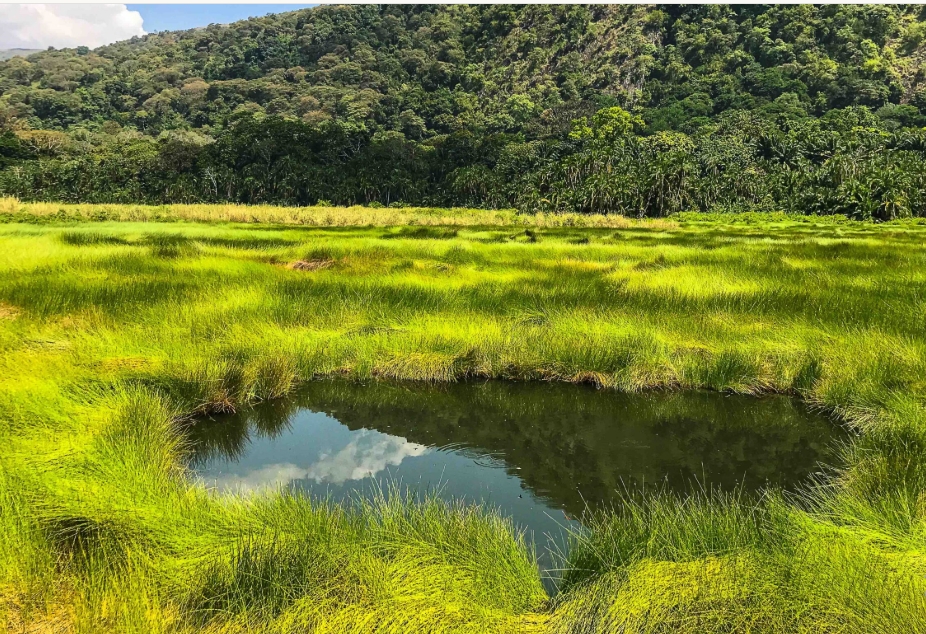
Primates in Nyungwe Forest National Park, located in the southwestern region of Rwanda, is one of the most sought-after destinations for tourists. The park boasts diverse ecosystems, including forest lands and woodlands, which provide habitats for its resident wildlife. Nyungwe Forest is home to over 13 primate species including Chimpanzees, Blue Monkeys, Colobus Monkeys, Olive Baboons, Grey-cheeked Mangabey, Red-tailed Monkey, among others, making it a remarkable destination for primate-spotting in Africa, with a quarter of the continent’s primate species residing here.
What makes this park particularly incredible is that it hosts two primate species that are endemic to the Rift region: L’Hoest’s Monkey and the Owl-faced Monkey. The park offers various activities, including chimpanzee trekking, a canopy walk, bird watching, nature walks, hiking, and colobus monkey trekking, ensuring an unforgettable African safari experience in the heart of East Africa.
Primate species in Nyungwe Forest National Park.
Nyungwe National Park has 13 primate species which can be seen while hiking, nature walk, chimpanzee trekking, Monkey trekking, canopy walk among more however, in this article we are going to talk about the 6 most commonly seen primate species while in Nyungwe forest National Park.
Chimpanzees: The chimpanzee, scientifically known as Pan Troglodytes, is a primate native to the rainforests and grasslands of Africa. These highly intelligent great apes are classified as an endangered species on the IUCN list, primarily due to population decline from poaching and habitat destruction. Chimpanzees are characterized by their black hair, long arms, large ears, and bare palms and faces.
As our closest living relatives, chimpanzees share 98% of human DNA and typically live in groups of 15 to 130 members, consisting mainly of females and infants, led by a dominant male. They are known for their problem-solving abilities, complex social structures, and communication through gestures and sounds. Their diet includes leaves, fruits, honey, tree bark, insects, and occasionally small monkeys and antelopes.
Nyungwe Forest National Park is home to two groups of habituated chimpanzees located in the Uwinka and Cyamudongo areas, which have become acclimated to human presence and are ready to be trekked. The forest supports a population of over 500 chimpanzees that call it home.
Grey-cheeked Mangabey: This is a primate found in Nyungwe Forest National Park, where they are fully habituated for tracking. This arboreal monkey is native to the central African rainforests and is recognized for its thick, dark grey fur, light grey cheeks, a golden mane around its neck, and a long, strong tail.
Grey-cheeked Mangabeys typically live in groups of 5 to 30 individuals, each member having equal rights within the group. Males remain in their birth groups until puberty, after which they leave to find females and join new groups. In contrast, females stay with their original groups for life. Their diet primarily consists of seeds, fruits, figs, and flowers.
Owl-faced Monkey: This is commonly known as Hamlyn’s monkey, which is a rare and elusive primate species found in the Congo Basin rainforest and in Nyungwe forest National Park, which is endemic to the Albertine Rift. It gets its name from the distinctive white stripe running down its nose, giving it an owl-like appearance. These monkeys spend most of their time in trees, where they feed on bamboo shoots, fruits and other vegetation. They live in small groups with one dominant male and several females. These monkeys are considered an endangered species due to habitat loss.
L’Hoest’s Monkey: This rare and beautiful monkey is easily recognisable by its dark coat and contrasting white bib-like beard under the chin. These are shy, ground-dwelling primates, making them more elusive than chimpanzees and colobus. They typically move in small groups led by a dominant male and feed on fruits, leaves and invertebrates. Nyungwe Forest National Park is one of the places to see them as they are considered an endangered species.
Red-tailed monkeys: These are commonly known for their striking reddish tail and white nose spot. Red-tailed monkeys are among the most playful primates in Nyungwe Forest National Park. They often form groups with other monkeys, especially blue monkeys and they are lively. They feed on seeds, fruits, flowers, and insects. Visitors can often spot them along the forest trails and canopy walks.
Vervet Monkeys: These are the most common primates in Nyungwe Forest National Park. They are small black faced with greenish olive bodies. Male vervets are normally bigger than the females which are easy to identify.