Bird species found in Nyungwe Forest National Park.
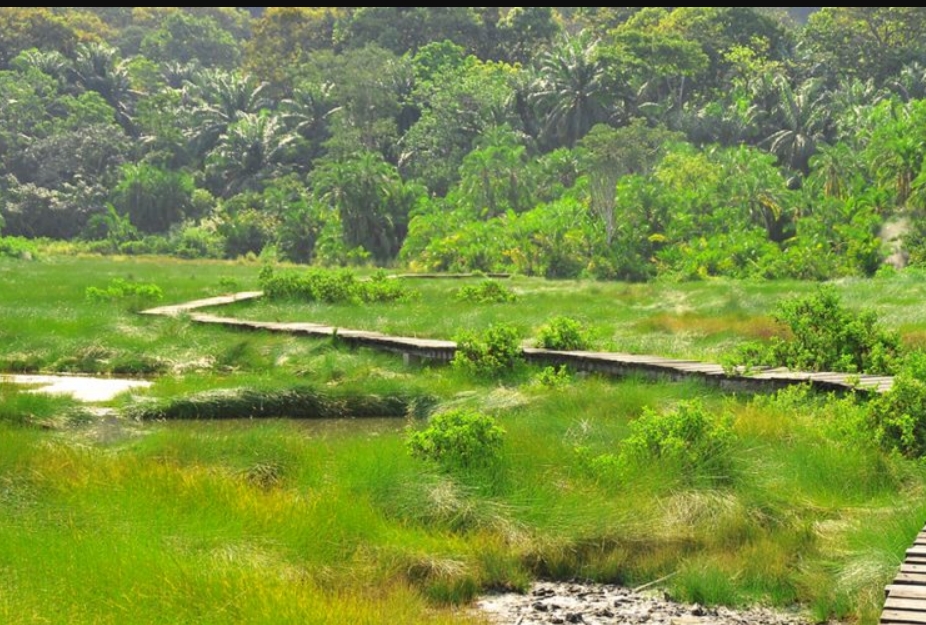
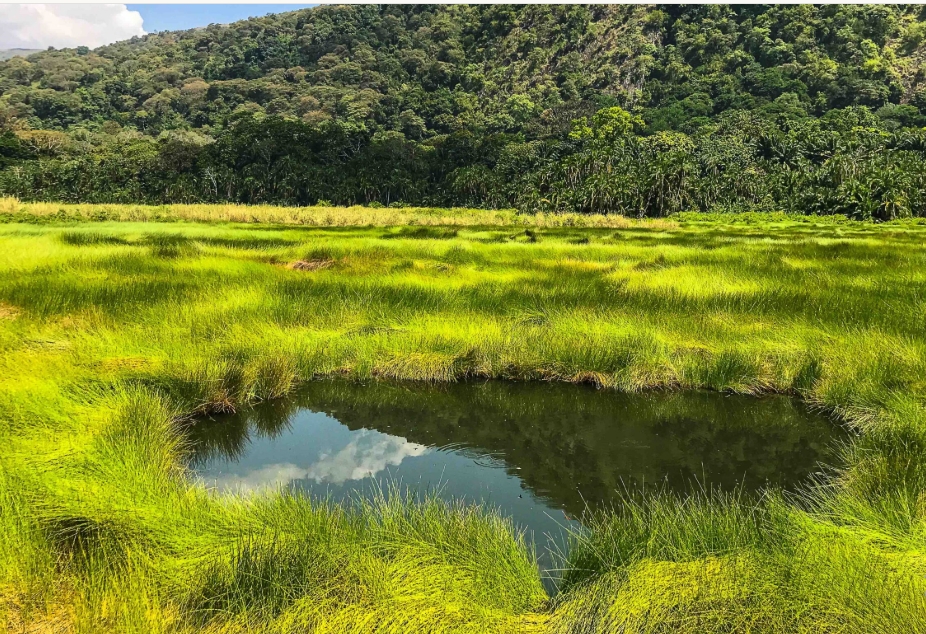
Nyungwe National Park is known as one of the best bird-watching sites in Rwanda, situated in the southwestern region of the country. It’s one of the remaining tropical rainforests in Africa, covering an area of about 1018 square kilometers. It’s one of the seven important Birding areas in Rwanda and a UNESCO heritage site. Nyungwe has diverse ecosystems such as wetland, grasslands, woodlands, and forests that provide a habitat for various bird species. The park is home to over 322 bird species, including 29 Albertine endemic species, 11 species of the Guinea Congo forest biome, and 71 species of the Afro-tropical highlands biome, which showcases the rich birdlife of the park. If you are a bird lover, Nyungwe Forest National Park should be added on your bucket list as it offers unique bird-watching experiences that cater to all visitors’ needs, whether you are an experienced birder or a beginner. It promises to give you the best. Apart from bird species found in Nyungwe Forest National Park, the park hosts various wildlife species such as primates, butterflies, mammals, plants, and trees that contribute to the park’s rich biodiversity.
Bird species found in Nyungwe Forest National Park.
- Yellow-eyed Black Flycatcher
- Stripe-breasted Tit
- Handsome Francolin
- Neumann’s Warbler
- Red-collared Mountain Babbler
- Red-throated Alethe,
- Mountain Masked Apalis
- Dusky Crimsonwing
- Dwarf Honeyguide
- Purple-breasted Sunbird
- Archer’s Robin Chat
- Regal Sunbird
- Ruwenzori Turaco
- Blue-headed Sunbird
- Collared Apalis
- Strange Weaver
- Albertine Owlet
- Rockefeller’s Sunbird
- Ruwenzori Double-collared Sunbird
- Dusky Twinspot
- Grauer’s Rush Warbler
- Shalley’s Crimsonwing
- Ruwenzori Hill Babbler
- Grauer’s Broadbill
- Kungwe Apalis
- Yellow-throated Nicator
- Willard’s Sooty Boubou
- Doherty’s Bushshrike
- Chapin’s Flycatcher
- Red-faced Crimsonwing
- Great Blue Turaco
- Black-billed Turaco
- Black Crake
- Common Sandpiper
- Yellow-backed Weaver
- Papyrus Canary
- Bar-tailed Trogon
- Black-and-white Casqued Hornbill
- Crowned Hornbill
- African Green Pigeon
- Olive Pigeon
- Tambourine Dove
- Grey Parrot
- Black Bee-eater
- White-headed Woodhoopoe
- Brown-capped Weaver
- Olive Thrush
- African Dusky Flycatcher
- Grey-chested Illadopsis
- Chestnut Wattle-eye
- Grosbeak Weaver
- Dusky-blue Flycatcher
- Hairy-breasted Barbet
- Cattle Egret
- Little Egret
- Grey Crowned Crane
- Black-crowned Night Heron
- Squacco Heron
- Black-headed Heron
- White-faced Whistling Duck
- Yellow-billed Duck
- Red-eyed Dove
- Bronze-naped Pigeon
- Red-chested Cuckoo
- Barred Long-tailed Cuckoo
- African Emerald Cuckoo
- Olive Woodpecker
- Yellow-crested Woodpecker
- Golden-crowned Woodpecker
- Ashy Flycatcher
Best Time to see Birds Park.
The park can be visited throughout the year, and the best time to see the birds found in Nyungwe Forest National Park depends on the visitor’s preferences. It experiences two seasons: the dry season and the wet season. According to past visitors’ reviews, the wet season, which runs from March to May and October to November, is the best time for birding in the park. This season receives enough rainfall, the birding trails are muddy and slippery, which makes it challenging to penetrate the forest. During this period, the park has plenty of food, which makes it easy to spot bird species as they don’t move deep into the forest to search for food, making birding easy. This is a breeding season for various bird species, and many migratory birds from Europe are found in the park during this period.
Bird watching in Nyungwe National Park can also be done during the dry season from June to September and December to February. This season is characterized by little to no rainfall, the hiking trails are less slippery and muddy, making it easy to penetrate through the forest. During this period, the park has insufficient food, which makes birds move deep into the forest, and spotting them takes time as visitors have to move deep into the forest.