Birds to See in Mabamba Swamp
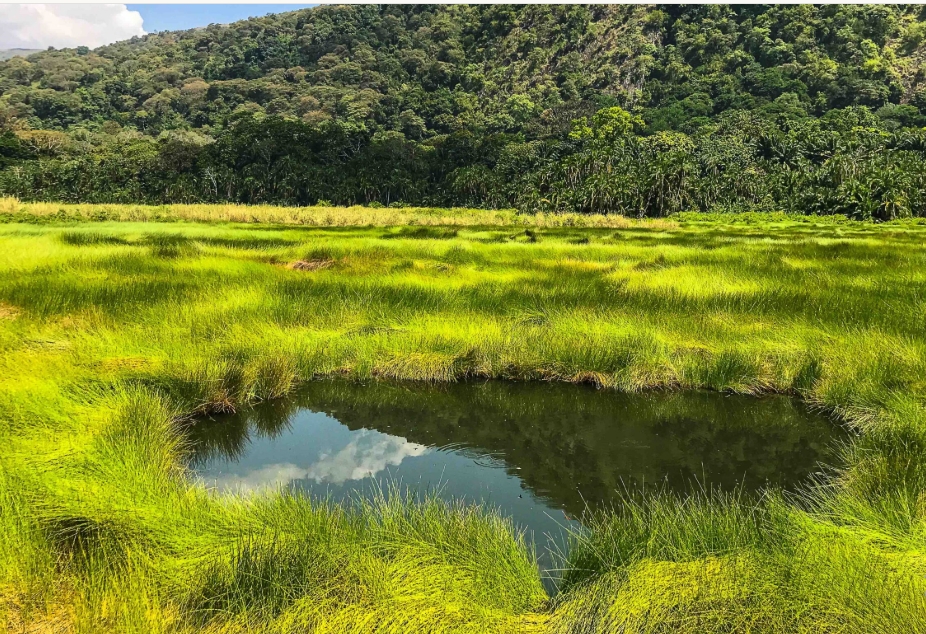
Birds to See in Mabamba Swamp, it is a top birdwatching spot in Uganda, located about 12 km west of Entebbe town on the shores of Lake Victoria. Due to its rich biodiversity, the swamp has drawn birdwatchers and other nature enthusiasts to come and explore this unique Ramsar Site that got its status in 2006 as a Wetland of International Importance by the 1971 Ramsar Convention on Wetlands due to its vital ecological importance with globally threatened species.
Apart from the famous Shoebill, it is home to several bird species, including raptors, migrants, rarities, seasonal vagrants, and water-dwelling birds. These intriguing birds attract several travelers, including birdwatchers, nature lovers, and researchers, to come and witness the beauty of these feathered wonders.
Birds to See in Mabamba Swamp
- Northern Brown-throated Weaver
- Grey Wood Pecker
- Grey Crowned Crane
- Rufous-naped Lark
- Wood Sandpiper
- Purple Swamp Hen
- Rufous-bellied Herons
- Osprey
- Ashy Flycatcher
- Pallid Harrier
- Papyrus Gonolek
- Pink-tailed Whydah
- Red-billed Firefinch
- Black-crowned Night Heron
- Pink-backed Pelican
- Pied Wagtail
- Cormorants
- White-winged Tern
- Grey Parrot
- Palm-nut vulture
- Eurasian Hobby
- Glossy Ibis
- Yellow-rumped Tinkerbird
- Yellow Wagtail
- Black-headed Heron
- Intermediate Egret
- Angola Swallow
- Yellow-billed Kite
- Common Squacco Heron
- Blue-breasted Bee-eater
- Brown Parrot
- Black-crowned Waxbill
- Flappet Lark
- African Green Pigeon
- Cattle Egret
- Long-crested Eagle
- Yellow-billed Duck
- Red-shouldered Cuckoo Shrike
- Grey Wagtail, African Pygmy Goose
- Grey Heron, Slender-billed Gull
- Green Cuckoo, Sand Martin
- Crowned Hornbill, Ross’s Turaco
- Northern Brown-throated Weaver
- Grey Wood Pecker
- Grey Crowned Crane, Rufous-naped Lark
- Wood Sandpiper
- Purple Swamp Hen
- Rufous-bellied Heron
- Osprey
- Ashy Flycatcher
- Pallid Harrier
- Papyrus Gonolek
- Pink-tailed Whydah
- Red-billed Firefinch
- Black-crowned Night Heron
- Pink-backed Pelican, Pied Wagtail
- Cormorants
- White-winged Tern
- Grey Parrot
- Palm-nut vulture
- Eurasian Hobby
- Glossy Ibis
- Yellow-rumped Tinkerbird
- Yellow Wagtail
- Black-headed Heron
- Intermediate Egret
- Angola Swallows
- Yellow-billed Kite
- Common Squacco Heron
- Blue-breasted Bee-eater
- Brown Parrot
- Black-crowned Waxbill
- Flapped Lark
- African Green Pigeon
- Cattle Egret
- Bird Species Lists
- Great Blue Turaco
- Little Egret
- Ruppell’s Long-tailed Sterling
- Common Bulbul
- White-shouldered Tit
- African Hoopoe
- Yellow-backed Weaver
- Black-headed Gonolek
- Blue-cheeked Bee-eater
- African Common Moorhen
- Banded Martin
- White-faced Whistling Duck
- Olivaceous Warbler
- Grey-headed Sparrow
- Black-winged Stilt
- Papyrus Yellow Warbler
- Pied Kingfishers
- African Pied Wagtail
- Yellow-billed Stork
- Common Waxbill
- Spur-winged Lapwing
- White-throated Bee-eater
- Fan-tailed Widowbird
- Common Greenshank
- Common Sandpiper
- Black-faced Rufous Warbler
- Fulvous Whistling Duck
- Yellow Warbler
- Double-toothed Barbet
- Brown Snake Eagle
- Common Moorhens
- Grosbeak Weaver
- Gull-billed Terns
- Lesser Jacana
- Hamerkop
- Levaillant’s Cuckoo
- Tawny Eagle
- Little Bee-eater
- Long-toed Lapwing Plover
- Little Stilt
- Speckled Mousebird
- Tambourine Dove
- Tawny-flanked Prinia
- Vieillot’s Black Weaver
- Whinchat
- Violet-backed Sterling
- Water Thicknee
- Weyn’s Weaver
- Whiskered Terns
- White-browed Cuckoo
- Bird Species List
- Black-headed Woodland Kingfisher
- Malachite Kingfisher
- Orange Weaver
- Papyrus Canary
- Long-toed Lapwing
- African Fish Eagle
- African Water Rail
- Blue Swallow
- White-winged Warbler
- Fork-tailed Drongo
- Great Cormorant
- Saddle-billed Stork
- Mosque Swallow
- Red-eyed Dove
- African Purple
- Great White Egret
- Village Weaver
- Swamp Flycatcher
- African Firefinch
- Black Crake
- Hadada Ibis
- Black-headed Weaver
- Blue-headed Cuckoo
- Striped Kingfisher
- Spur-winged Geese
- Feral Pigeon
- Grey-headed Kingfisher
- Carruthers’s Cisticola
- Goliath Heron
- Eastern Grey Plantain-eater
- Grey-rumped Sparrow
- Red-headed Lovebird
- African Jacana
- Common Stonechat
- White-browed Cuckoo
- Grassland Pipit
- Long-tailed Cormorant
- Purple Heron
- Shining Blue Kingfisher
- Red-chested Cuckoo
- Marsh Harrier
- Great White Pelican
- Slender-billed Weaver
- Swamp-hen
- Winding Cisticola, among others.
Shoebill Conservation- Birds to See in Mabamba Swamp
This remarkable swamp got its name after the lungfish species that commonly inhabits its waters, forming the staple food for shoebills’ diet. This lungfish is locally called “Mamba,” hence the name “Mabamba.” This word “mamba” is a totem and one of the most significant clans in the Buganda Kingdom. Since the local fishermen also depend on lungfish as part of their diet, they used to kill these shoebill “Bulwe” in the local language and destroy their nests as well.
Later, the International Union for Conservation of Nature formulated a partnership between the fishing communities about the shoebill and the wetland. Finally. The conservation project empowered local communities to earn a living through providing birding tours for the travellers. Additionally, due to serious sensitization of the community about the ecological and economic value of this iconic bird, they came up with an ecotourism project to manage and protect this swamp, enhancing responsible tourism.
Accommodation
Entebbe town, which is adjacent to Mabamba Swamp, offers unique accommodation options to travelers who would wish to spend a night or even more during their wildlife and birding tours. These accommodation facilities range from high-end to mid-range and affordable options, such as Protea Hotel, Papyrus Guest House, 2 Friends Beach Hotel, Best Western Premier Hotel, Jet Villas, Boma Hotel, Rock Resort Hotel, and others.
Conclusion
The swamp emerges as Uganda’s most valuable and an important birding wetland site and home to over 300 species of birds. More still, the swamp is Uganda’s top location for birdwatchers and adventure seekers with a passion to see the most intriguing and mysterious shoebill. This rare bird species was classified by the International Union of Conservation of Nature (IUCN) as a vulnerable species; hence, the need for restoration and preservation of this wetland of immense ecological importance.