Best Time of the Day to Track Shoebills in Mabamba
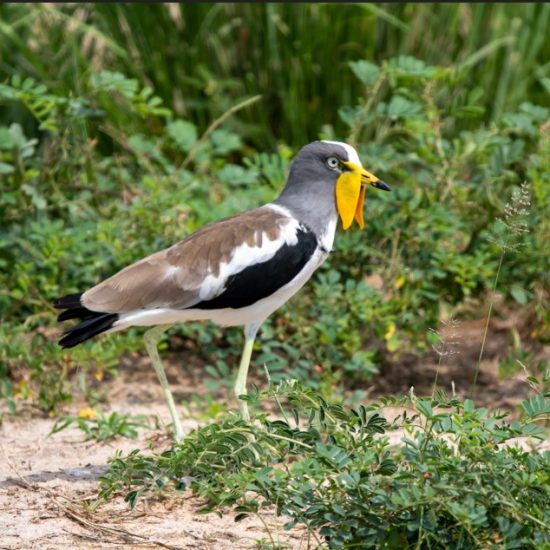
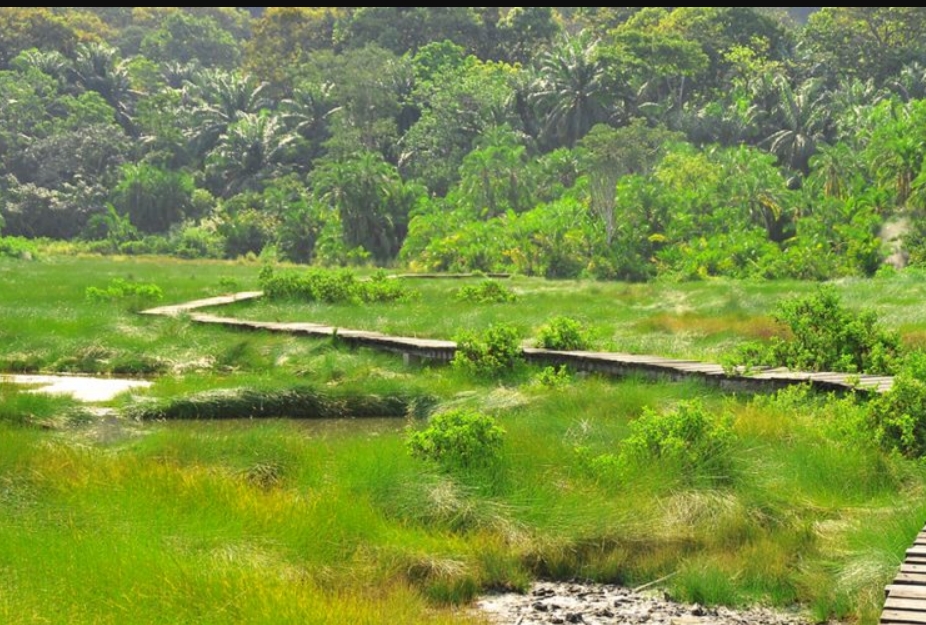
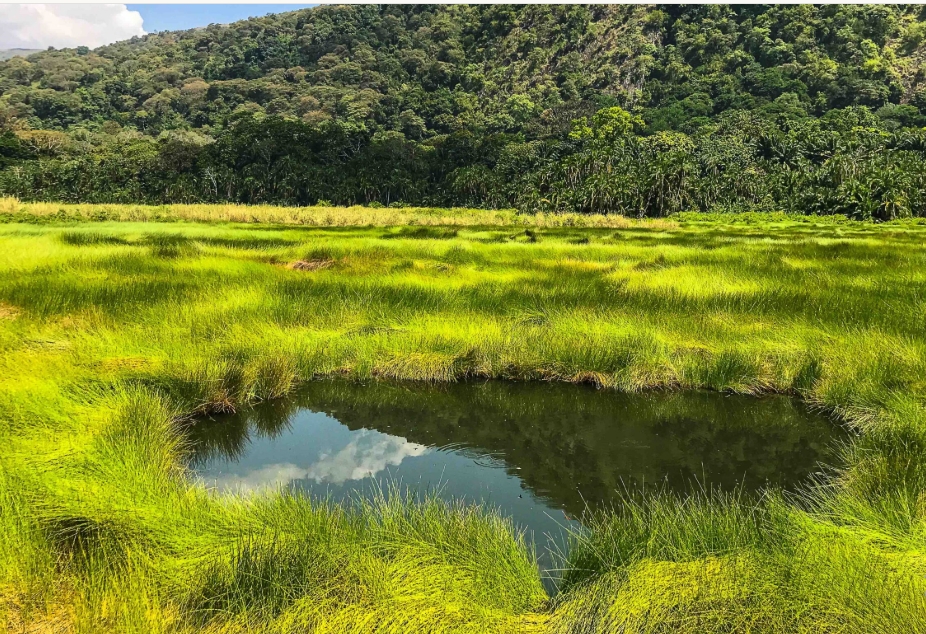
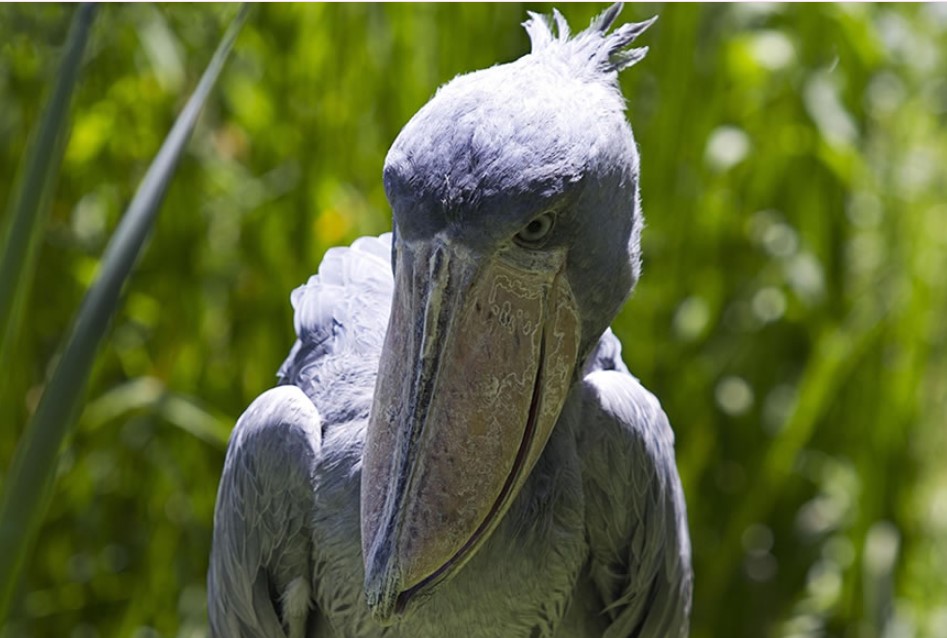
Best Time of the Day to Track Shoebills in Mabamba: Shoebill tracking in Mabamba swamp is a remarkable birding experience that is actively done throughout the year, specifically during morning and evening hours. This is the time when these birds are more active, as they show up from their nests to search for food. Mabamba Swamp is a top birding destination in Uganda, famous for its unique bird species specifically the iconic Shoebill and several other species including rarities, vagrants, migrants and water dwelling birds, among others.
The best time of the day to visit Mabamba Swamp for Shoebill tracking is during the sunrise or crack of dawn and sunset or sundown in the evening hours. The morning and evening hours are condusive for shoebill tracking, reason being, this is the time when birds are more active in search for food. On the other hand, the iconic Shoebill does its hunting when the waters and the swamp are calm, making it easier for them to stalk and ambush their prey.
More still, chances of seeing the Shoebill are higher in the morning about 99% when the weather is at rest with waning water levels, making it the best time of the day to track Shoebills in Mabamba Swamp. However, during the open day the chances of seeing this iconic bird are minimal with a success rate of 40%, since birds are always in flight and because of sunlight, they are forced to search for shade in papyrus or trees. More still, photography is also possible during the dry season due to visibility and clear views among others and vice versa.
Shoebill tracking tours operates daily morning and evening boat trips to Mabamba swamp searching for the Shoebills along the shorelines of Lake Victoria, the world’s third largest fresh water lake and largest in Africa. However, during the rainy season which receives torrential rainfall, the boatmen always provide visitors with covered boats and other equipment in the swamp. Although shoebill tracking is carried out throughout the year, during the heavy rains, there is always an alternative shelter around the swamp, and after the rains, the search for shoebills resumes, where by during the heavy rains, these iconic shoebills cannot fly; they instead remain stiff, and they wait for their prey and sunlight as well.
What is the best time to visit Mabamba Swamp
Mabamba Wetland is among Uganda’s leading birding destinations with the highest concentration of Shoebills that can be visited throughout the year. However, the dry months which run from June to September and December to February offers the best experience to birdwatchers planning to visit Mabamba swamp. During this period, the winds and water levels tend to keep low, making it easier for birdwatchers to search for bird species in the marshy and papyrus reeds primarily the Shoebill Stork. The dry season is therefore the best time for birding in Mabamba Wetland, due to the fact that birds get closer in search for food than the rainy season where birds tend to hide in deeper areas of the swamp due to abundance of food.
Other birds in Mabamba Swamp
Besides the elusive Shoebill, Mabamba swamp is a haven for several other bird species such as the Grey Wagtail, Grey Heron, Slender-billed Gull, Great White Egret, Grassland Pipit, Long-tailed Cormorant, Purple Heron, Shining Blue Kingfisher, Red-chested Cuckoo, Marsh Harrier, Great White Pelican, Slender-billed Weaver, Swamp-hen, Green Cuckoo, Sand Martin, Brown Parrot, African Pied Wagtail, Yellow-billed Stork, Rufous-bellied Heron, Black-crowned Waxbill, Flappet Lark, African Green Pigeon, Cattle Egret, Great Blue Turaco, Little Egret, Ruppell’s Long-tailed Sterling, Common Bulbul, White-shouldered Tit, Feral Pigeon, Grey-headed Kingfisher, Carruthers’s Cisticola, Goliath Heron, White-winged Warbler, Fork-tailed Drongo, Great Cormorant, Saddle-billed Stork, Mosque Swallow, Red-eyed Dove, Long-toed Lapwing, African Purple, Winding Cisticola, Long-crested Eagle, Yellow-billed Duck, and the Red-shouldered Cuckoo Shrike.
Notable birds include Black-faced Rufous Warbler, African Hoopoe, Yellow-backed Weaver, Black-headed Gonolek, African Common Moorhen, Crowned Hornbill, Ross’s Turaco, Northern Brown-throated Weaver, Grey Wood Pecker, Grey Crowned Crane, Glossy Ibis, Yellow-rumped Tinkerbird, Yellow Wagtail, Black-headed Heron, Intermediate Egret, Angola Swallows, Yellow-billed Kite, Common Squacco Heron, Blue-breasted Bee-eater, Banded Martin, White-faced Whistling Duck, Olivaceous Warbler, Grey-headed Sparrow, Black-winged Stilt, Papyrus Yellow Warbler, Pied Kingfishers, Ashy Flycatcher,
Other notable birds include Pallid Harrier, and Papyrus Gonolek. Pink-tailed Whydah, Red-billed Firefinch, Black-crowned Night Heron, Pink-backed Pelican, Pied Wagtail, Cormorants, White-winged Tern, White-browed Cuckoo, Black-headed Woodland Kingfisher, Malachite Kingfisher, Orange Weaver, Fulvous Whistling Duck, Yellow Warbler, Double-toothed Barbet, Grey Parrot, Eurasian Hobby, White-throated Bee-eater, Village Weaver, Swamp Flycatcher, Common Waxbill, Spur-winged Lapwing, Rufous-naped Lark, African Firefinch, Black Crake, Eastern Grey Plantain-eater, Grey-rumped Sparrow, Red-headed Lovebird, Common Stonechat, White-browed Cuckoo, Fan-tailed Widowbird, Common Greenshank, Common Sandpiper, and several other birds.
How to get to Mabamba Swamp-Best Time of the Day to Track Shoebills in Mabamba
The Swamp can be accessed using various routes, for example from Kampala/ Entebbe, you can access Mabamba Swamp via Entebbe Town along the Lake Victoria shores. You can board from Entebbe and drive to Nakiwogo landing site, board a ferry to Kasanje and upon arrival you will take a canoe about 20 minutes glide to Mabamba Wetland, a tour that will introduce you on to the natural ambience of the swamp and the scenic views of Lake Victoria. Alternatively, those from Kampala, drive to Mabamba Swamp via Nakawuka-Kasanje Road which takes about 1-to-2-hour drive depending on the time of the day and traffic on the road.