What Makes Kidepo Valley National Park Unique.
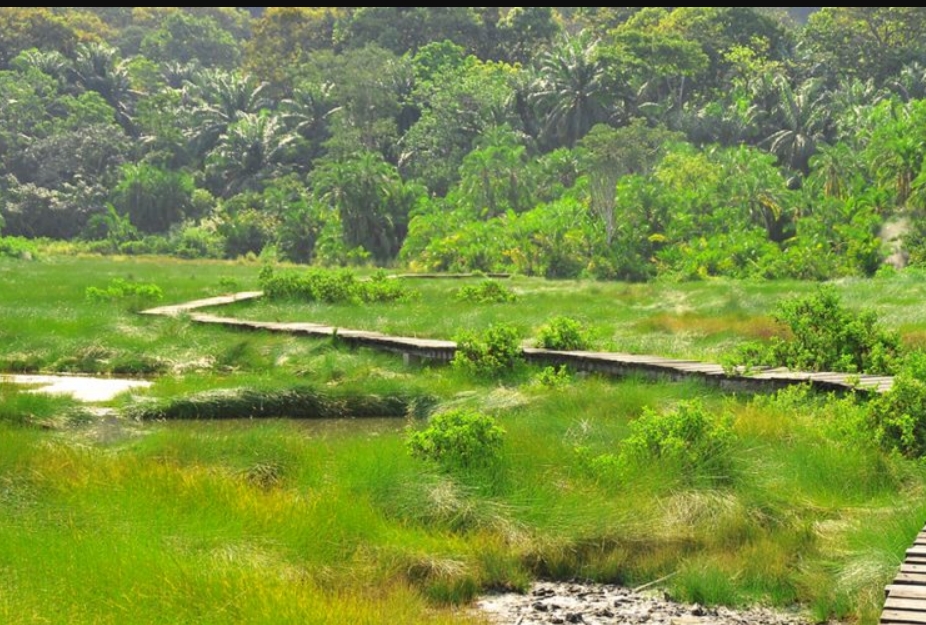
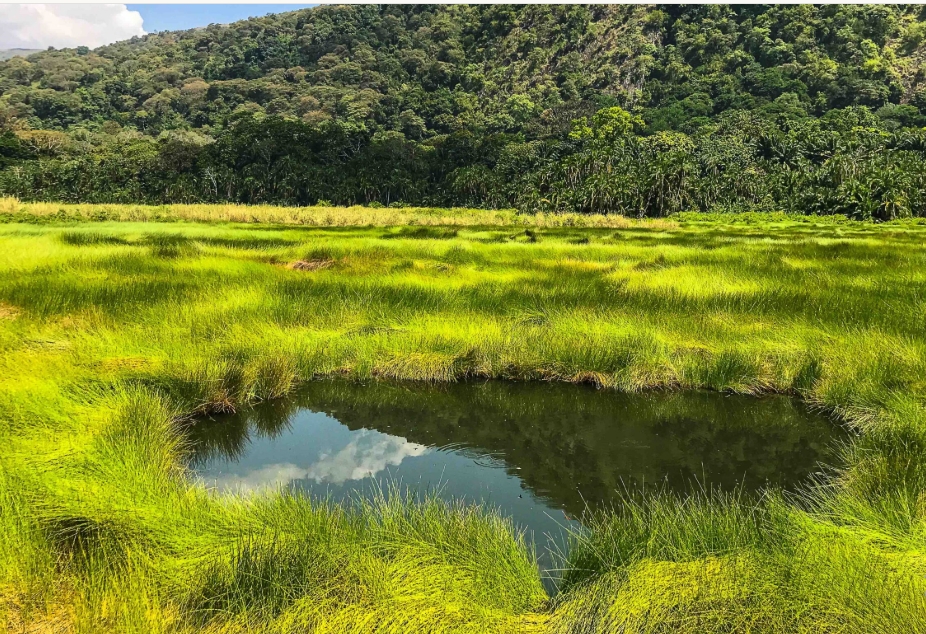
What makes Kidopo Valley National Park unique is a frequently asked question by people hearing this park for the first time, and this blog will help you understand its uniqueness. It’s one of the most remote safari destinations in Uganda, located in the semi-arid region of Karamoja. It has the breathtaking scenery of unique valleys and unspoiled wilderness. It’s home to the fastest mammal, the cheetah. Kidepo is one of the largest parks in Uganda, covering an area of about 1,442 square kilometers. It’s blessed with two unique valleys, the Narus Valley, which has the Narus River and wetlands. These water sources provide permanent water to the park’s inhabitants, making it the best place with the highest number of animals and bird species suitable for game drives and nature walks. On the other hand, the Kidepo Valley hosts the famous Kidepo River, which is a seasonal river that flows through the park to South Sudan for a few hours, leaving a river of sand. Its hosts the highest number of buffalo in Uganda, up to 11,000 individuals. It also has unique species that are only found in the park, such as caracals, cheetahs, aardwolves, Guenther’s dik-diks, stripped hyenas, ostriches, bat-eared foxes, and greater kudus. Kidepo Valley National Park is surrounded by two communities, the Karamajong and the Ik people.
Things that Make Kidepo Valley National Park Unique.
Rich Birdlife.
Kidepo National Park is a true birder’s haven with up to 490 bird species that call this amazing place home. It’s the second place in Uganda with the highest list of bird species after Queen Elizabeth National Park. These birds include the migratory birds, birds of prey, the park’s endemic species and savannah birds. It’s the only place in Uganda where bird lovers can see ostriches. Some of the park’s bird species include Purple Heron, Clapperton’s Francolin, Black-breasted Barbet, Karamojo Apalis, Chestnut Weaver, Black-headed Plover, Brown-backed Woodpecker, Rufous-chested Swallow, Brown-backed Woodpecker, Greater Kestrel, Kori Bustard, White-bellied Bustard, Buff-crested Bustard, Abyssinian Ground-Hornbill, Crowned Hornbill, African Grey Hornbill, Jackson’s Hornbill, Northern Red-billed Hornbill, Common Ostrich, African Pygmy-Goose, Knob-billed Duck, Spur-winged Goose, Helmeted Guineafowl, Western Crested Guineafowl, Stone Partridge, Crested Francolin, Secretary Birds, Northern Camine bee-eaters, Abyssinian Scimitarbill, Lesser Moorhen, Allen’s Gallinule, Black Crake, Eurasian Moorhen, African Crake, Lesser Moorhen, Gray Crowned-Crane, Black Crowned-Crane, Senegal Thick-knee, Water Thick-knee, Spotted Thick-knee, Pied Avocet, Black-winged Stilt, Black-winged Stilt, Black-headed Lapwing, Three-banded Plover, Long-toed Lapwing, Wattled Lapwing, Crowned Lapwing, Spur-winged Lapwing, Little Ringed Plover, Greater Painted-Snipe, Lesser Jacana, African Jacana, Marsh Sandpiper, Common Sandpiper, African Snipe, Green Sandpiper.
Rich Biodiversity.
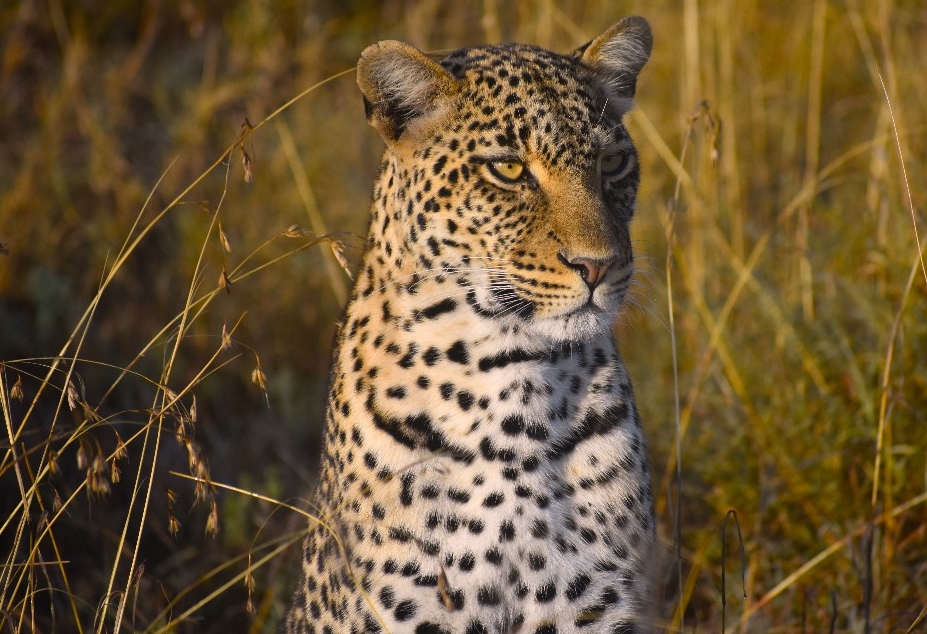
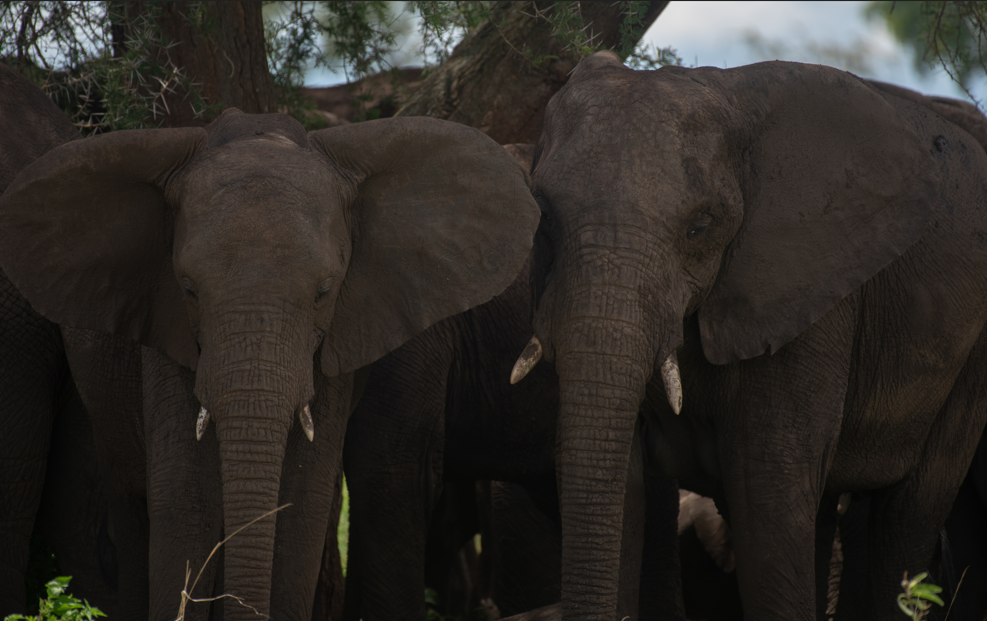
The rich biodiversity makes Kidepo Valley National Park unique; it is home to over 80 mammal species, 490 bird species, 700 plant species and 200 butterfly species. These include the park’s unique species, which are not found elsewhere in the country, like cheetahs, caracals, ostriches, aardwolves, greater kudus, striped hyenas, bat-eared foxes, and Guenther’s dik-diks. Some of the animals and birds found in the park include lions, elephants, leopards, buffalo, elands, lesser kudus, Uganda Kobs, warthogs, zebras, pata’s monkeys, oribis, waterbucks, Jackson’s Hartebeest, Bohor Reedbuck, serval, vervet monkeys, rock hyrax, genet, African Hare, African civet, striped ground squirrel, olive babons, porcupine, honey badger, African wild cat, bush duiker, Klipspringer, black-blacked Jackal and more. Bird species like Stone Partridge, Crested Francolin, Secretary Birds, Northern Camine bee-eaters, Abyssinian Scimitarbill, Lesser Moorhen, Allen’s Gallinule, Black Crake, Eurasian Moorhen, African Crake, Grey Crowned-Crane, and Black Crowned-Crane.
Beautiful Landscapes.
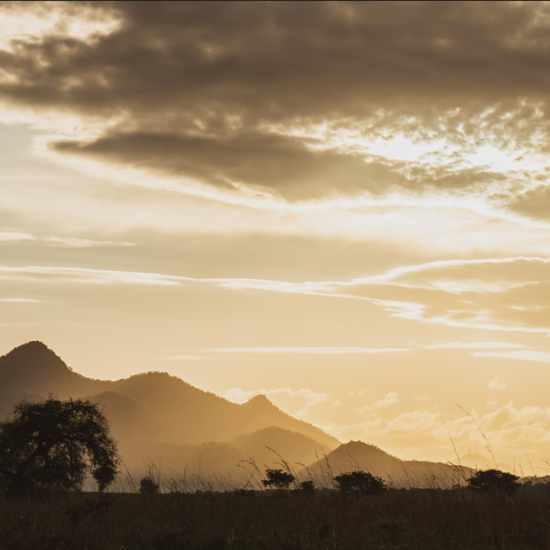
Kidepo has breathtaking scenery, which is different from most Ugandan parks. The park is dominated by wide open savannah grasslands, seasonal riverbeds, rocky outcrops, acacia woodlands, riverine forests and mountain backdrops such as Mount Morungole. The contrast between the green Narus Valley, more so in the wet season and the dry Kidepo Valley creates stunning photographic opportunities. The seasonal Kidepo River makes its interesting especially during the wet season when it flows through the park to South Sudan for a few hours, leaving behind a river of sand which animals dig and drink water from. The sunsets over the golden plains are some of the most spectacular in East Africa.
The rich cultural Heritage of the IK and Karamojong.
This is one of the things that makes Kidepo Valley National Park unique, it’s surrounded by the Ik people who stay on Mount Morungole, this is a small tribe whose traditional way of life is under threat. They are commonly known as a hunter gatherer tribe. The Karamojong people are known for being semi-nomadic pastoralists. Visitors can visit these communities and experience their cultural dances, storytelling and learn more about their lifestyles.