Is Akagera National Park Worth Visiting.
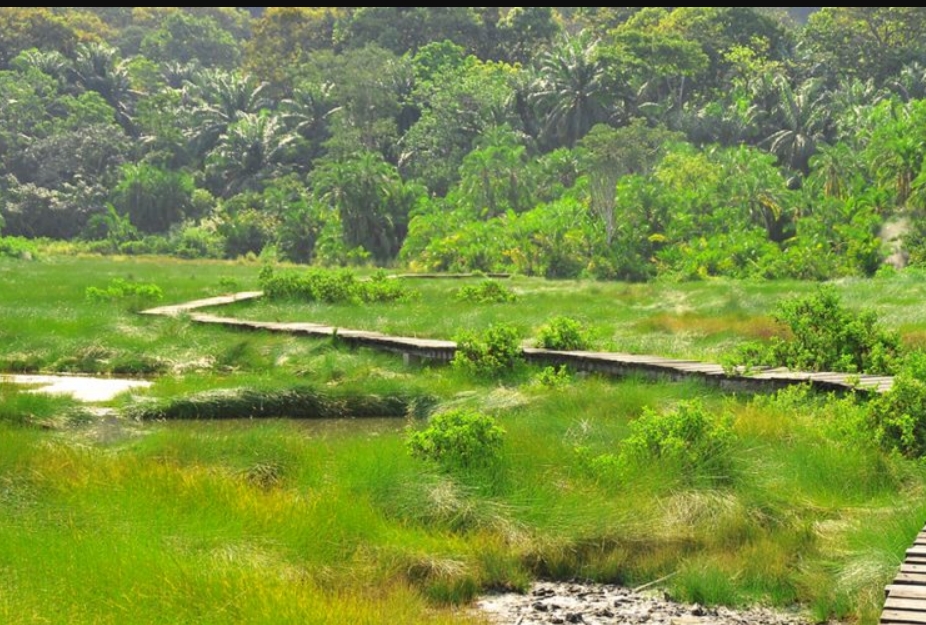
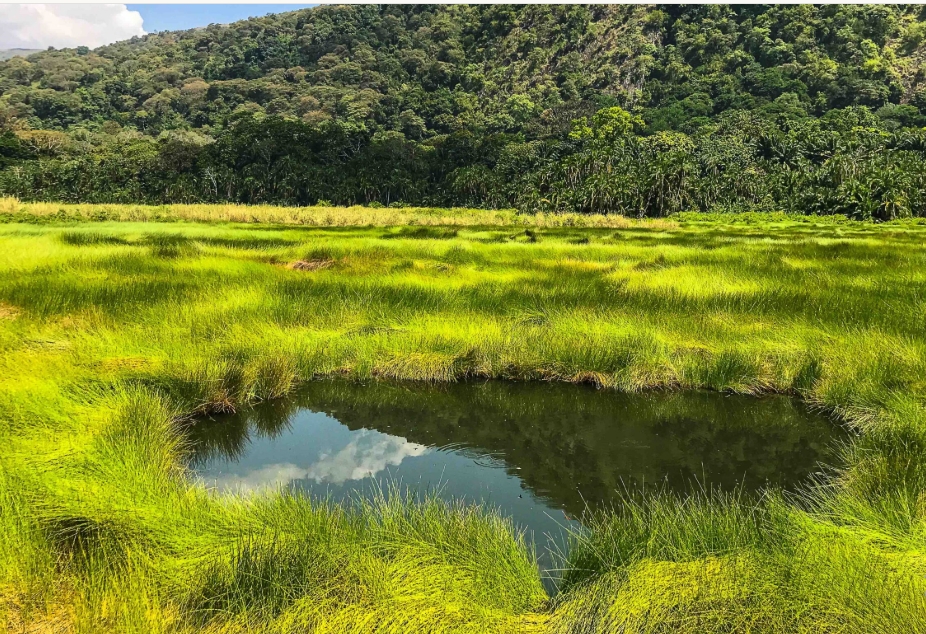
Is Akagera National Park worth visiting? This is the most frequently asked question by tourists considering a visit to the park. Yes, Akagera is worth visiting, and this blog will enlighten you on the wonderful things that make this park exceptional. Akagera National Park is a remarkable safari destination in Rwanda, located in the northeastern part of the country along the border with Tanzania. It was named after the famous Akagera River, which flows within the park and feeds a system of scenic lakes like Lake Rwanyakinga, Lake Ihema, and others. It is the only savannah park in the country and the best place to experience classic African wildlife safaris. It’s the largest park covering an area of about 1,122 square kilometers. It is known for its rich biodiversity, home to over 90 mammal species, including the African Big Five mammals, elephants, leopards, rhinos, buffalo, and lions, 200 butterfly species, and 100 amphibians and reptiles. It also has a rich avian life, up to 500 bird species, including migratory birds, savannah birds, water birds, woodland species and the park’s endemic species. The park’s rich biodiversity contributes to the diverse safari activities that make it worth visiting.
What makes Akagera National Park Worth Visiting.
Rich Avian Life.
Akagera National Park is a haven for bird watching, attracting thousands of bird enthusiasts to see over 500 bird species that call this awesome park home. These include woodland species, acacia dwelling bird species, water birds, the park’s endemic species, and savannah bird species. Some of the birds to encounter in the park include Secretary bird, White-faced Whistling-Duck, Fulvous Whistling-Duck, Red-faced Barbet, Egyptian Goose, African Pygmy-Goose, Red-winged Francolin, Dusky Turtle-Dove, Speckled Pigeon, Mourning Collared-Dove, White-crested Turaco, Ross’s Turaco, Purple-crested Turaco, Eastern Plantain-eater, Bare-faced Go-away-bird, Osprey, shoe bill stork, Knob-billed Duck, Red-billed Duck, Garganey, Blue-billed Teal, Helmeted Guineafowl, Crested Francolin, Ring-necked Francolin, Shelley’s Francolin, Coqui Francolin, Hildebrandt’s Spurfowl, Freckled Nightjar, Common Swift, African Swift, Marsh Sandpiper, Green Sandpiper, Curlew Sandpiper, Common Greenshank, Ruff, Black-rumped Buttonquail, Mottled Swift, Alpine Swift, Horus Swift, Red-chested Flufftail, African Crake, Lesser Moorhen, Gray Crowned-Crane, Water Thick-knee, Black-winged Stilt, Black-bellied Plover, Ring-necked Dove, Emerald-spotted Wood-Dove, Blue-spotted Wood-Dove, Laughing Dove, Tambourine Dove, Red-eyed Dove, Green Sandpiper, Curlew Sandpiper, Common Greenshank, Ruff, Black-rumped Buttonquail, Mottled Swift and more.
The Big Game Safari.
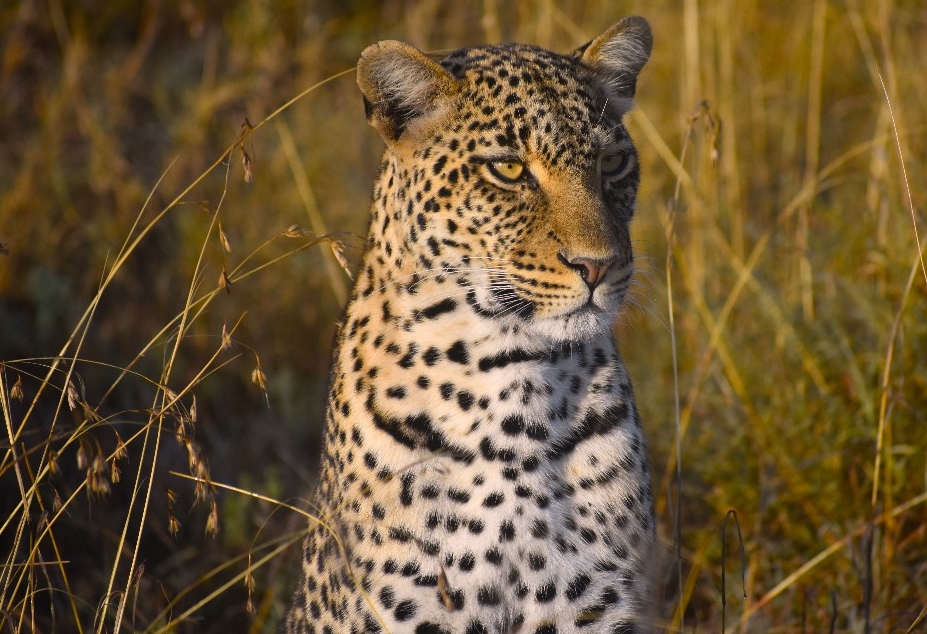
The big game safari experience is one of the top things that make Akagera National Park worth visiting. It’s the only savannah national park in Rwanda where travellers can have a complete Big Five Safari: elephants, leopards, rhinos, lions, and buffalo, which can be seen while on game drives. Game drives are done in a pop-up vehicle with an experienced guide who gives more insights about the wildlife and bird species that visitors might encounter. The park has morning game drives, evening game drives, and night game drives, which allow visitors to see nocturnal animals. Visitors get a chance to see lions roaming around the park, leopards resting in tree tops, buffaloes grazing, herds of elephants wandering the park, and rhinos gazing. This is one of the lifetime experiences that nature lovers couldn’t miss.
Conservation Success Story.
Akagera National Park is one of the parks in Africa with a remarkable conservation story. It was once threatened by poaching and human encroachment, but it has undergone a remarkable transformation. The reintroduction of lions in 2015 and both black and white rhinos in 2017 and 2021 brought back the full Big Five, marking a major milestone in Rwanda’s conservation history. Anti-poaching measures, including a dedicated ranger force, canine units, community patrols, and modern surveillance systems, have dramatically reduced poaching levels, allowing wildlife populations to grow steadily. Akagera National Park is a powerful example of how conservation can benefit both wildlife and surrounding communities.
Variety of Experiences.
This is one of the best things that makes Akagera National Park worth visiting, as it offers various safari experiences, whether you are looking for adventurous experiences or simply to immerse yourself in nature, Akagera offers exceptional experiences. Visitors can enjoy guided game drives, which allow them to explore the vast savannah grasslands and woodlands, nature walks, bird watching, community visits, boat cruises, and anglers can enjoy sports fishing. All provide unforgettable safari experiences.