What makes Akagera National Park Unique.
What makes Akagera National Park Unique is a frequently asked question by people hearing the park for the first time, and this article will help you understand why it’s one of the most visited parks in the country. Akagera National Park is a prime safari destination in Rwanda, situated in the eastern part of the country. It’s the oldest national park in the country, established in 1934, covering an area of approximately 1,122 square kilometers. It’s the nearest national park in the country, about a 2- 3 hour drive from Kigali, the capital city of Rwanda, making it accessible to travellers.
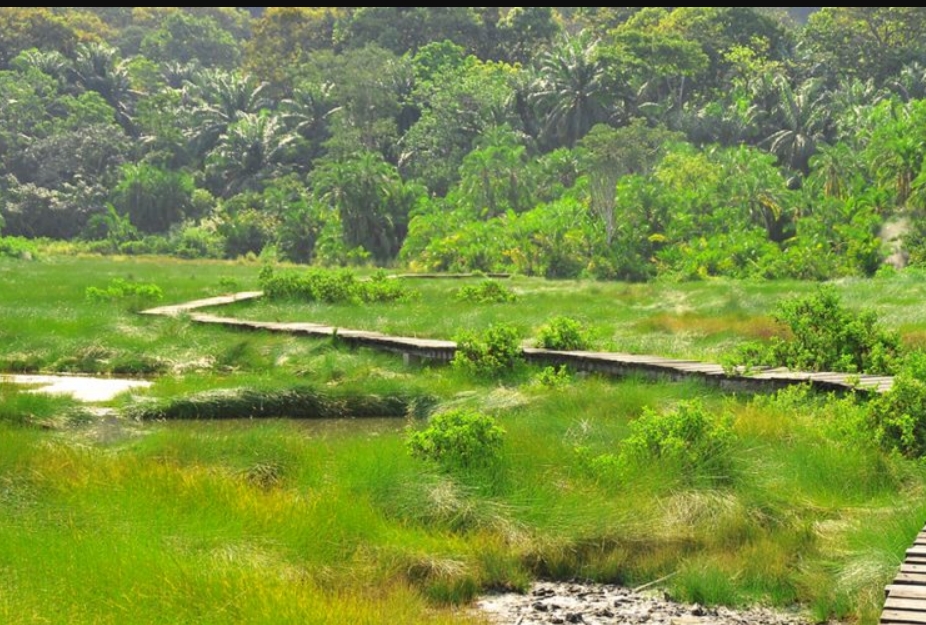
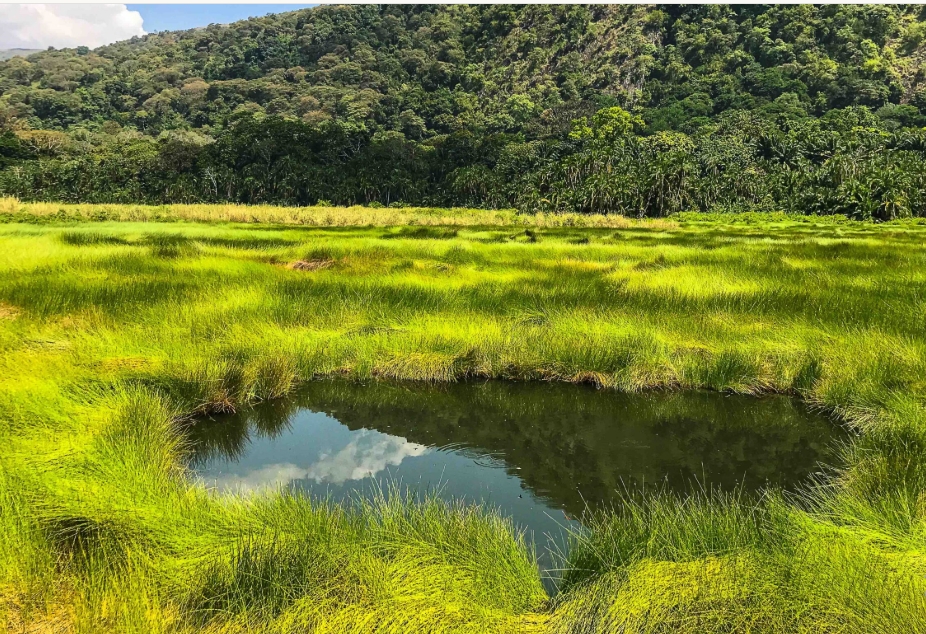
The park was named after the Akagera River that flows along its eastern boundary and feeds many scenic lakes and swamps in the park. It’s a rich biodiversity of up to 480 bird species, including migratory birds, water birds, woodland species, savannah birds, and the park’s endemic species, 200 butterfly species, 90 mammal species, including the African Big Five mammals, 50 reptiles, and amphibians, which are supported by the park’s unique ecosystems like lakes, swamps, savannah grasslands, and woodlands.
The park’s rich biodiversity contributes to the park’s diverse tourist activities, such as game drives, boat trips, sports fishing, birding, and nature walks. Akagera National Park is one of the best places to experience a true African safari as it blends classic African savannah wildlife, scenic wetlands, and a powerful conservation success story.
What makes Akagera National Park Unique.
Strong Conservation success and supporting communities.
The park is celebrated as one of Africa’s most inspiring conservation success stories, thanks to the strong partnership between the Rwandan Government and African Parks. Akagera National Park has undergone a remarkable transformation over the past decades. It was once heavily affected by poaching and habitat loss, but Akagera has been restored through strict law enforcement, professional park management, and long-term investment. The reintroduction of lions in 2015, as well as both black and white rhinos in 2017 and 2021, brought back the full Big Five and rebalanced the ecosystem, marking a major milestone in Rwanda’s conservation history. Anti-poaching measures, including a dedicated ranger force, canine units, community patrols, and advanced surveillance systems, have significantly reduced poaching levels, enabling wildlife populations to grow steadily. Tourism in Akagera National Park involves community engagement and revenue sharing with local communities, ensuring that your visit supports both conservation efforts and local livelihoods.
Rich biodiversity.
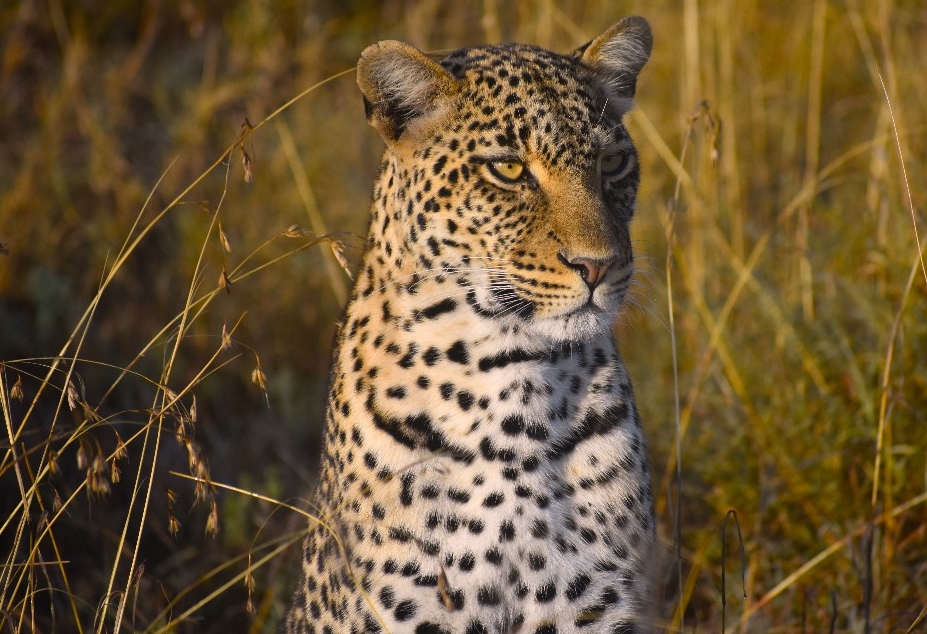
This is one of the things that makes Akagera National Park Unique; it is blessed with a rich biodiversity. It’s the only park in Rwanda where visitors can have a complete Big Five Safari and see lions, elephants, rhinos, buffalo, and leopards while on the game drives. It has a rich birdlife with over 480 bird species that can be seen on a birding safari. The park also hosts 85 other mammal species such as waterbucks, oribis, sitatunga, giraffes, hyenas, vervet monkeys, African Hare, olive baboons, topi blue monkeys, zebras, impala, elands, crocodiles, hippos, ground pangolin, genet, civet, side-striped jackal, serval, warthogs, among others. It also hosts up to 200 butterfly species like soldier pansy, common blue, African monarch, citrus swallowtail, leopard butterfly, brown pansy, African Queen and painted lady, reptile and amphibians such as savannah monitor, black mamba, African Rock Python, spitting cobra, house gecko, common river frog, guttural toad, reed frog, African Bullfrog, eastern olive toad and among more.
Rich Avian Life.
Akagera National Park is a paradise for birding with over 480 unique bird species that call is home, making it one of the best bird watching destinations in Rwanda. The bird species it hosts, include water birds, acacia dwelling species, migratory birds and savannah birds. These birds can be seen while on nature walks, boat trips, and game drives, all promise exceptional bird watching experiences. Some of the birds in the park include Osprey, White-faced Whistling-Duck, Fulvous Whistling-Duck, Red-faced Barbet, shoe bill stork, Mourning Collared-Dove, Knob-billed Duck, Secretary bird, Egyptian Goose, African Pygmy-Goose, Red-billed Duck, Garganey, Blue-billed Teal, Helmeted Guineafowl, Crested Francolin, Ring-necked Francolin, Shelley’s Francolin, Coqui Francolin, Hildebrandt’s Spurfowl, Blue Quail, Red-necked Spurfowl, Red-winged Francolin, Dusky Turtle-Dove, Speckled Pigeon, African Green-Pigeon, Denham’s Bustard, Black-bellied Bustard, White-crested Turaco, Ross’s Turaco, Purple-crested Turaco, Eastern Plantain-eater, Bare-faced Go-away-bird, Blue-headed Coucal, White-browed Coucal, Black Coucal, Blue Malkoha, Great Spotted Cuckoo, Pied Cuckoo, Thick-billed Cuckoo, Dideric Cuckoo, African Cuckoo, Madagascar Cuckoo, Klaas’s Cuckoo, Ring-necked Dove, Emerald-spotted Wood-Dove, Blue-spotted Wood-Dove, Laughing Dove, Tambourine Dove, Red-eyed Dove among others