Bird Watching in Akagera National Park.
Bird watching in Akagera National Park is one of the most thrilling safari activities that allows ornithologists and bird enthusiasts to explore the park’s unique bird species. It’s the only country’s savannah National Park and is famous among travellers interested in African Big Five mammals. It’s the oldest national park established in 1934, and it covers an area of approximately 1,122 square kilometers. The park is situated in the eastern region of Rwanda, bordering Tanzania. It is named after the Akagera River, which flows along its eastern boundary and feeds many swamps and lakes in the park.
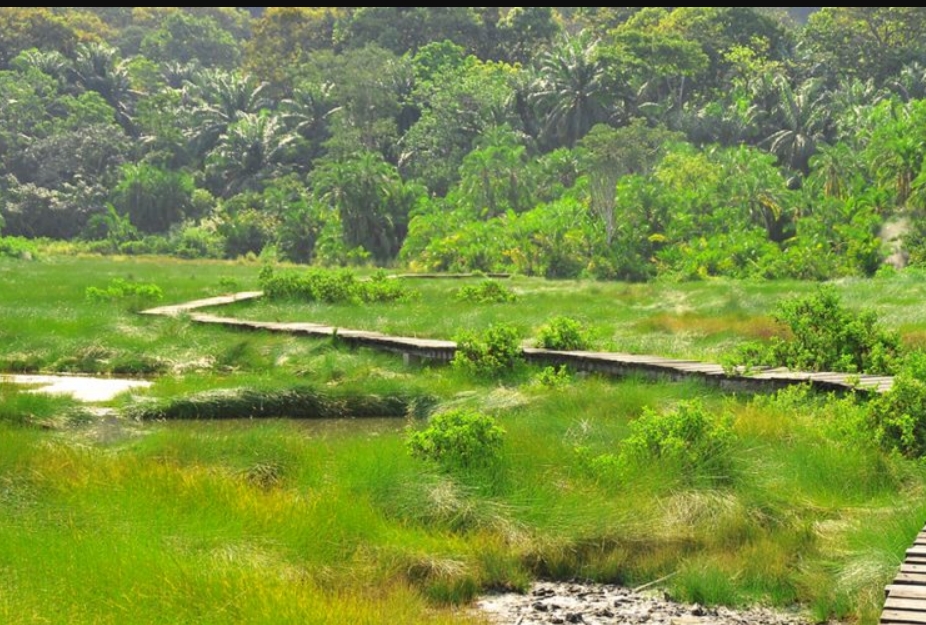
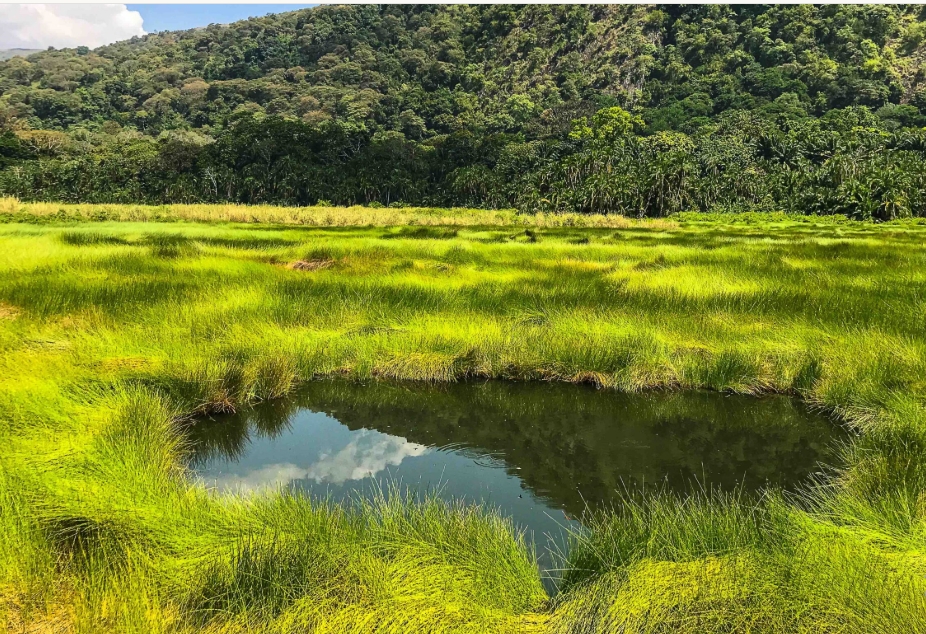
Akagera National Park has unique ecosystems, such as woodlands, lakes, savannah grasslands, and swamps that provide a habitat to various bird species. Bird lovers will be delighted by over 480 unique bird species that reside in the park, including water birds, migratory birds, woodland bird species, savannah birds, and the park’s endemics. They will enjoy the melodic sounds and songs of various bird species. Birders shouldn’t miss out on looking for the unique bird species such as the Red-faced Barbet, Sooty Falcon, the elusive Shoebill Stork, Ruaha Chat, Papyrus Gonolek, Northern Brown-throated Weaver, Black headed Gonolek, among others.
Birds to see in Akagera National Park.
Birders and photographers will find the park a paradise for bird watching, with over 480 bird species that call this amazing park home. They will have a chance to see various bird species on their safari, including , Secretary bird, Red-faced Barbet, Egyptian Goose, African Pygmy-Goose, Red-winged Francolin, Dusky Turtle-Dove, Speckled Pigeon, Mourning Collared-Dove, White-crested Turaco, Ross’s Turaco, Purple-crested Turaco, Eastern Plantain-eater, Bare-faced Go-away-bird, Osprey, White-faced Whistling-Duck, Fulvous Whistling-Duck, shoe bill stork, Knob-billed Duck, Red-billed Duck, Garganey, Blue-billed Teal, Helmeted Guineafowl, Crested Francolin, Ring-necked Francolin, Shelley’s Francolin, Coqui Francolin, Hildebrandt’s Spurfowl, Blue Quail, Red-necked Spurfowl, Blue-headed Coucal, White-browed Coucal, Black Coucal, Blue Malkoha, Great Spotted Cuckoo, Pied Cuckoo, Thick-billed Cuckoo, Dideric Cuckoo, African Cuckoo, Madagascar Cuckoo, Klaas’s Cuckoo, Swamp Nightjar, Fiery-necked Nightjar, Pennant-winged Nightjar, Fiery-necked Nightjar, Freckled Nightjar, Common Swift, African Swift, Marsh Sandpiper, Green Sandpiper, Curlew Sandpiper, Common Greenshank, Ruff, Black-rumped Buttonquail, Mottled Swift, Alpine Swift, Horus Swift, Red-chested Flufftail, African Crake, Lesser Moorhen, Gray Crowned-Crane, Water Thick-knee, Black-winged Stilt, Black-bellied Plover, Ring-necked Dove, Emerald-spotted Wood-Dove, Blue-spotted Wood-Dove, Laughing Dove, Tambourine Dove, Red-eyed Dove, African Green-Pigeon, Denham’s Bustard, Black-bellied Bustard, Corn Crake, Eurasian Moorhen, Striped Crake, Black Crake, Red-knobbed Coot, African Swamphen, African Finfoot.
Bird Watching Experience in Akagera National Park.
Birding in the park is best done early in the morning when birds are active and preparing to start their day, or late afternoon when birds are preparing to end their day. This is a guided activity led by an experienced park birder who helps participants identify birds by their sounds and songs and gives more insightful information about the bird species that you might encounter. The park offers various ways of spotting birds, like during the game drives, nature walks, and boat cruises, which all provide excellent opportunities to spot birds in the park. Birders are encouraged to prepare a birding checklist on their bird watching safari in Akagera, which helps them not to miss the key bird species that they are interested in watching, and it also makes the trip exciting as they tick off different bird species that they have encountered.
Best Time to do birding in the Park.
Bird watching in Akagera National Park can be done throughout the year, and the best time depends on an individual’s preferences. The park receives two seasons: the dry season and the wet season, both provide remarkable bird watching experiences. The wet season is the most liked season by bird lovers, and it’s from October to November and March to May. During this season, the park receives enough rainfall, and trees and plant species bear fruit, which creates sufficient food in the park. This is the time of the year when migratory birds come to the park, running away from harsh weather conditions and in search of food. However, birding can also be done in the dry season, which runs from June to September and December to February. This season is characterized by little to no rainfall, and the park is less muddy or slippery, making it easy to navigate it.