The History of Kibale National Park
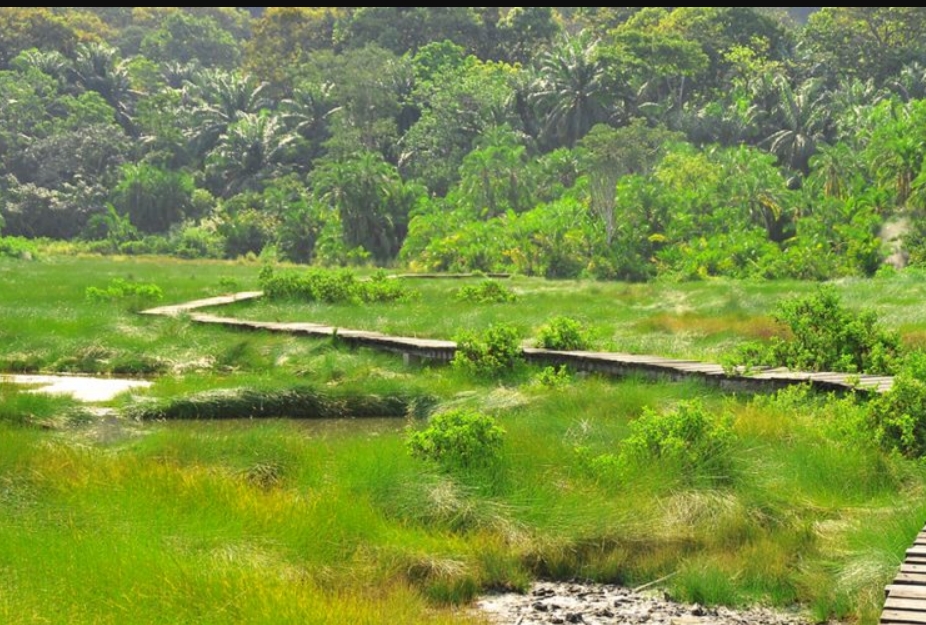
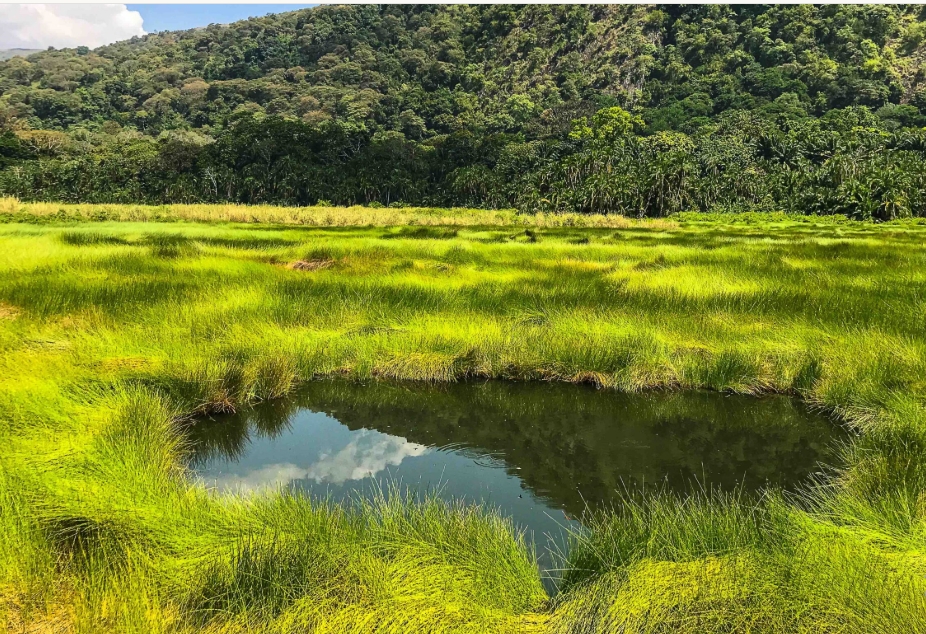
Are you curious about the history of Kibale Forest National Park? Well, Kibale Forest is a remarkable destination for its extraordinary primate diversity, located in southwestern part of Uganda. This dense forest comprises of marshy, semi ever-green forest, lakes and exotic trees. Despite being a famous destination for various primates, and Kanyanchu primate walk stands as the park’s flagship experience, the park has a rich and broad history stretching from the British colonial era.
The forest was gazetted in 1932 as a royal forest logged reserve protected by the British Colonialists. There aim was to not only to restore the forest but also to use it as a source of hardwood. After the depletion of the hardwood in the gazetted logged forest, the British embarked on afforestation, mainly exotic trees, especially in forest patches where had wood had been cleared to meet the growing demand for fuel wood and poles from near by factories such as tea factories from Fort Portal, Kasese, and others.
Kibale Forest Reserve was used as a source of timber mainly hard wood in 1948-1950 due to an increase in demand for hard wood from trees like Mahogany, Fagara and others. The high demand came from the construction project of the copper cobalt plant at Kilembe mines in Kasese town.
They used to collect hardwood from the exotic trees they had planted such as Cypress, eucalyptus, pine trees, and others and also meet the growing demand for firewood and poles in tea factories. Tree cutting continued, and after the forest was declared a forest reserve.
The history of Kibale Forest National Park: The park was officially established in 1993 in order to protect the forest and its ecosystem including diverse range of tree, plant and animal species, particularly primates. In 1994, Uganda National Parks took full charge of its conservation together with other organizations. The state body in charge of Kibale National Park and other national parks emerged with the game department of Uganda to protect, monitor and manage all protected areas, game reserves, sanctuaries and others. Due to their efforts, the Uganda wildlife Authority emerged out as an autonomous body, to protect, restore and manage Uganda’s wildlife and natural resources, including Kibale National Park. Special thanks go to the authority for its tireless efforts in managing and restoration of the country’s natural resources, including the endangered mountain gorillas. Hence, transforming Uganda and making it one of the renowned tourist destinations in Africa
To restore Kibale Forest, between 1970s and 1980s over 13000 people were evicted out of the forest to Kibaale District in 1992 due to their threatening numbers that had exerted pressure on the forest. The local people were also practising unbearable activities such as deforestation, poaching, hunting and farming using poor methods of farming, and others.
As time went by, several activities were introduced to the park starting with chimpanzee trekking whose inauguration was in 1993 up to date, mainly at Kanyanchu Centre and later other centres such as Buraiga were also established to ease the chimpanzee trekking and habituation activities for visitors resulting from their large numbers. This offers visitors especially primate lovers an opportunity not to miss out on the chimpanzee trekking activity, an Unforgettable and fulfilling adventure experience.
Where does the park get its name “Primate capita of the world”?
The history of Kibale Forest National Park: Kibale Forest National Park is a top destination with the highest concentration of primate species with over 13 resident primates. Due to its large numbers of chimpanzees, the park once recorded the highest number of visitors for quite many years. Hence it was dubbed the “primate capital” This impressive list includes the largest concentration of chimpanzees, totalling to over 1450 individuals. Other primate species include the endemic L’hoest monkey, blue monkey, red-tailed monkey, red colobus monkey, black and white colobus, grey-cheeked mangabey, olive baboons, galago, bush babies, among others.
Besides chimpanzee trekking, the park is also a famous destination for birdwatching, a birding paradise with unique bird species such as the Albertine Rift endemics including the Red-faced woodland Warbler, Blue-headed Sunbird, Purple-breasted Sunbird, Collared Apalis, Dusky Crimsonwing, Black-capped Apalis, forest birds such as Narina Trogon, Hairly-breasted Barbet, Yellow Mantled Weaver, Green-breasted Pitta, Blue-breasted Kingfisher, Red-chested Qwlet, Afep Pigeon, Blue-throated Brown Sunbird, among others.
Other activities to do in Kibale National Park include the nature walks, community experience, Forest walking safaris, Crater Lake exploration, and many others.
What is the best time to visit Kibale National Park
The best time to visit Kibale National Park is during the dry season which kicks off from December to mid March and from June to mid August towards September. These months are ideal for visitors planning to conduct their safaris in Kibale National Park, since it’s the time when there is little to no rainfall leading to dry roads and trekking trails. The vegetation cover is always thin and clear offering clear wildlife views.