Birding in Kibale National Park
Birding in Kibale National Park: Imagine stepping into a destination where birdlife is at peace and lively with unique primate species. That’s the magic with Kibale Forest National Park, one of the leading birding destinations not only in East Africa but in Africa at large.
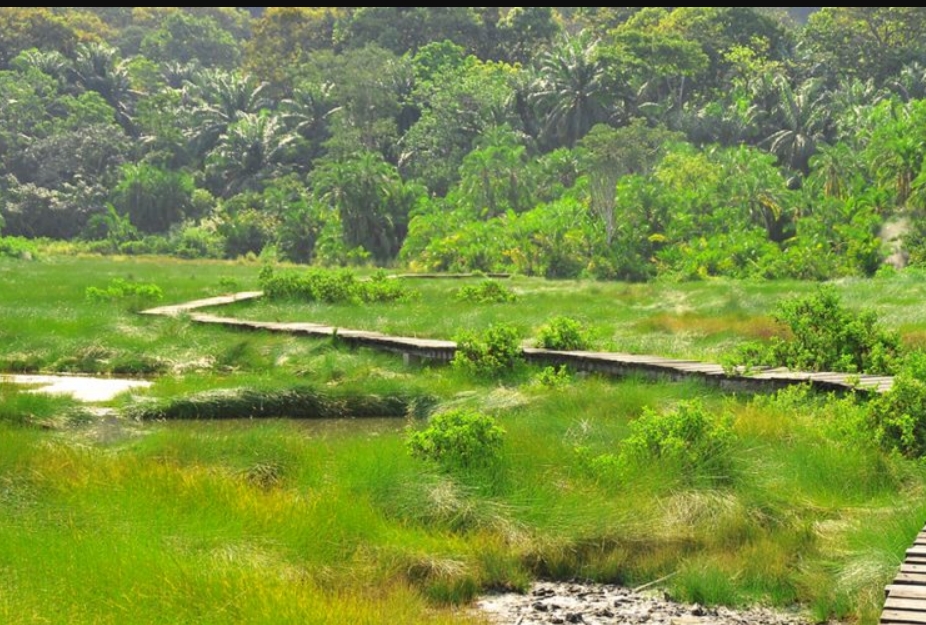
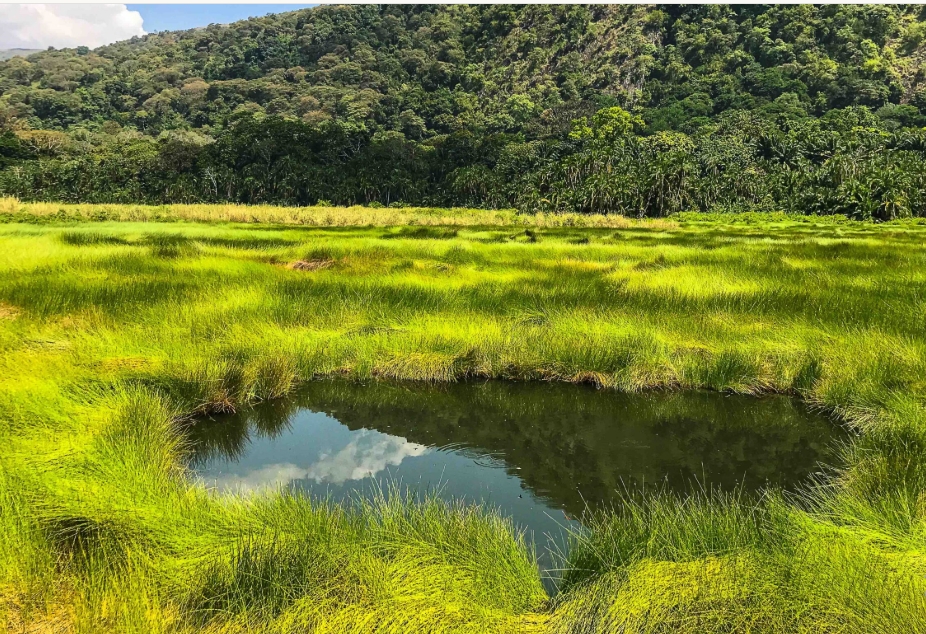
In Kibale National Park, birding is one of the most done activities after chimpanzee trekking and habituation experiences. Birdwatching mainly occurs in Kanyanchu and Sebitoli for forest birds and in Bigodi Swamp Sanctuary for wetland birds, where more than 138 species can be seen. Guided birdwatching excursions are always conducted by knowledgeable and armed ranger guides within the park areas.
The birding process in Kibale National Park
Birding in Kibale Forest National Park is mainly carried out in the morning when birds are leaving their nests searching for food and during evening hours as they prepare to rest. Upon arrival at the park headquarters, birding starts with a briefing at the Kanyanchu Information Centre.
The park wardens and guides from the Uganda Wildlife Authority check for the birding permits and sensitize visitors about the rules and regulations. Armed ranger guides then lead birders along various trails looking for birds.
Birds of Kibale Forest National Park
Kibale Forest National Park is home to numerous bird species, including the blue-headed crested flycatcher, African firefinch, dwarf honeyguide, lesser honeyguide, black-eared ground thrush, piacpiac, blue-throated roller, African dusky flycatcher, white-breasted negrofinch, Cassin’s spinetail, brown-throated wattle-eye, African black-headed oriole, speckled tinkerbird, and Abyssinian ground thrush.
Black and white shrike flycatcher, red-headed lovebird, white-naped pigeon, grey-headed kingfisher, scaly-breasted illadopsis, red-chested owlet, purple-breasted sunbird, red-winged francolin, red-chested sunbird, Cameroon sombre greenbul, bar-tailed trogon, double-toothed barbet, blue-headed bee-eater, white-winged warbler, African dusky flycatcher, African blue flycatcher, and cardinal woodpecker.
Brown-eared woodpecker, red-collared widowbird, Yellow-throated tinkerbird, hairy-breasted barbet, grey-green bush shrike, Doherty’s bush shrike, black-capped Apalis, bare-faced go-away bird, square-tailed nightjar, White-collared olive-back, pin-tailed whydah, barn swallow, yellow-billed barbet, woodland warbler, Rwenzori apalis, white-tailed blue flycatcher, and black-billed weaver, black bishop.
Brown-backed scrub-robin, African paradise flycatcher, yellow-rumped tinkerbird, slender-billed weaver, papyrus canary, superb sunbird, African shrike flycatcher, brown-chested alethe, eastern plantain eater, red-headed lovebird, various tinkerbirds, zebra waxbill, speckled mousebird, Ash flycatcher, grey-throated barbet, dusky crimsonwing, white-bellied crested flycatcher, African pitta, and green-breasted pitta.
White-crested turaco, grey-headed kingfisher, little greenbul, black bee-eater, water thick-knee, cinnamon-chested bee-eater, brown-eared woodpecker, greater honeyguide, red-chested cuckoo, African cuckoo, speckle-breasted woodpecker, plain nightjar, hairy-breasted barbet, white-browed coucal, narina trogon, and Ross’s turaco.
Red-faced barbet, crowned eagle, fan-tailed widowbird, thick-billed honeyguide, slate-colored boubou, collared sunbird, Afep pigeon, Nahan’s francolin, spot-flanked barbet, black-and-white casqued hornbill, Nubian woodpecker, African crested flycatcher, many-colored bushrike, white-spotted flufftail, yellow-spotted barbet, masked apalis, Chubb’s cisticola, and black-billed barbet.
African emerald cuckoo, grey-winged robin-chat, swallow-tailed bee-eater, black coucal, blue-headed coucal, blue-naped mousebird, red-rumped tinkerbird, black-throated wattle-eye, African pipit, ash-throated flycatcher, and African grey parrot. Brown illadopsis, blue-headed gonolek, African pitta,
Piping hornbill, great blue turaco, green-breasted pitta, collared sunbird, white-naped pigeon, African gray woodpecker, chestnut wattle-eye, western nicator, yellow-fronted tinkerbird, black-shouldered nightjar, common bulbul, chocolate-backed kingfisher, and brown-eared woodpecker.
Things to carry for birding tours in Kibale Forest National Park
Birdwatchers who are planning for a birdwatching tour should not miss out on the following gear: A camera, telescope, sunscreen, sunglasses, field guidebook, insect repellent, a brimmed hat, light backpack, long-sleeved shorts, long-sleeved shirts, a rain jacket, a sweater, binoculars, a camera, a water bottle, energy-giving snacks, waterproof hiking shoes, among others.
Where to stay in Kibale National Park
After thrilling park activities, visitors would love to spend a night or two as part of relaxation and also enjoy the natural beauty of the park. Therefore, the park offers unique accommodation facilities that range from high-end to budget options with unique services and prices as well, depending on the traveller’s budget.
These include Chimpundo Safari Lodge, Kibale Lodge, Ndali Lodge, Kibale Forest Camp, Isunga Lodge, Kibale Tourist Lodge, Kibale Forest Lodge, Primate Lodge, Turaco Tree Tope, Rweteera Safari Lodge, Little Monkey Safari Lodge, and Kibale Canopy Lodge, among others.
What is the cost of birding in the Park
The park is under the management of the Uganda Wildlife Authority. Therefore, for birdwatchers and nature lovers to participate in birding activities, they must obtain a birdwatching permit from this autonomous body. Birding permits cost $40 for foreign non-residents, $30 for foreign residents, and UGX30,000 for East African citizens.
Travellers can book a birding permit through a local tour operator like Caracal Explorers, who will coordinate with the authority to seek availability. Travellers are advised to book the birding permits for Kibale National Park in advance to ensure proper planning and preparations for the trip.
How to Access the Park
Kibale Forest National Park can be reached by road or air. Daily chartered flights to Mweya Airstrip are available from Entebbe International Airport or Kajjansi Airstrip. These daily chartered flights are organized by airline companies such as Bar Aviation Uganda, Pearl Sky, and Aerolink Uganda, mainly for luxury travelers. It is 300 km from Kampala and takes 6 to 7 hours to drive, with two main routes: one through Mityana and the other via Masaka.