Best Time to Go Birding in Kibale National Park
Birdwatching in Kibale Forest National Park comes second as one of the major activities that most visitors love to do while on their safari in Uganda. Bird lovers planning their safari often ask about the best time to go birding in Kibale Forest National Park, and this article will enlighten the best time. It is the second-best primate destination in Uganda, gifted with the unique and intelligent chimpanzees. This stunning park is known as the primate capital of the world due to its highest number of primate species.
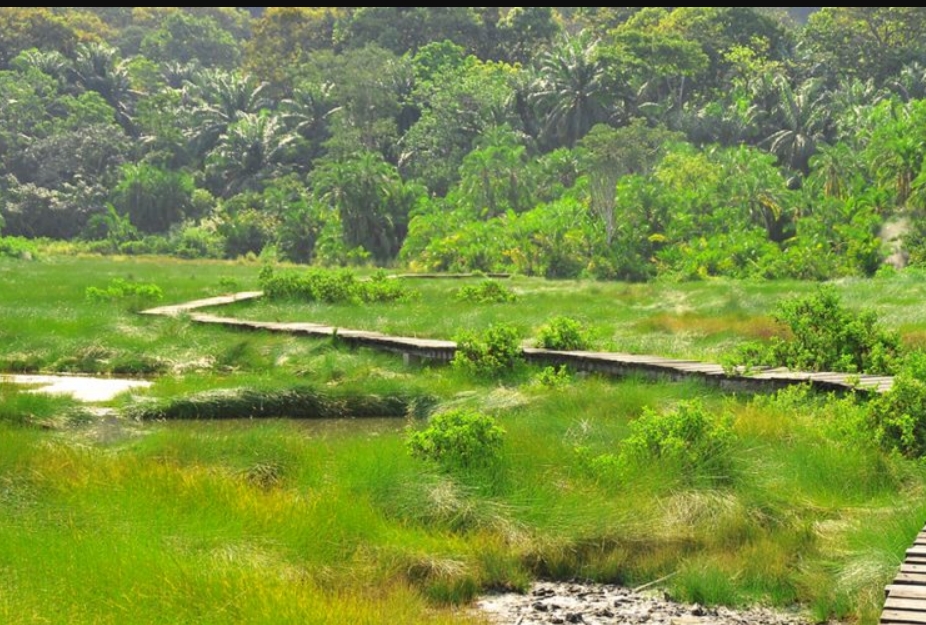
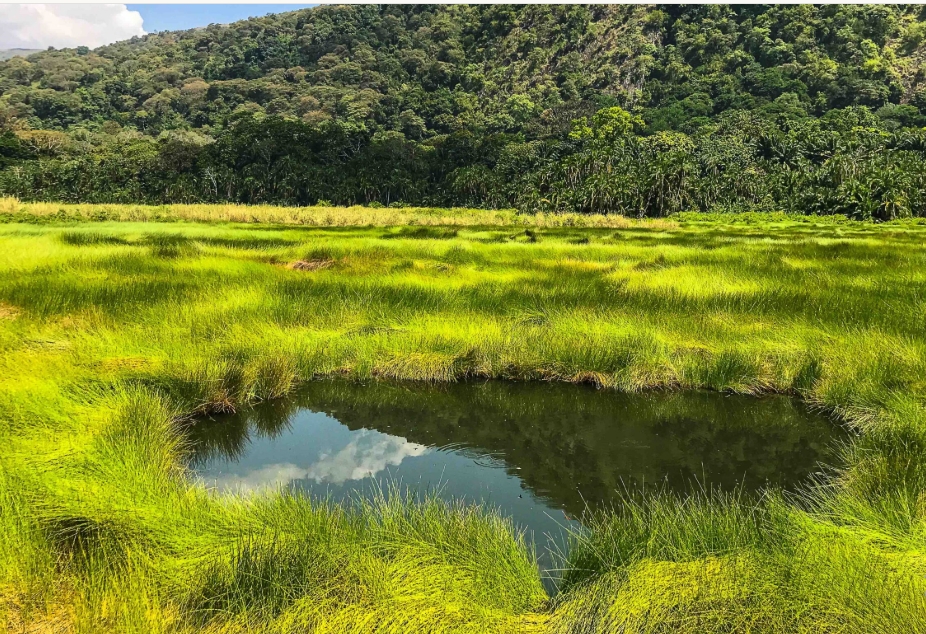
Besides primates, Kibale Forest National Park is one of the best locations for birders, with over 372 bird species recorded. The diverse bird species of Kibale National Park are as a result of a wide range of vegetation cover that is found within the park. The park consists of tropical rainforest, thick grassland vegetation, and swampy vegetation, especially in Sebitoli wetland and Bigodi wetland sanctuary, among others.
Bird watching in Kibale Forest National Park can be done throughout the year since most of the birds within this park are permanent residents. However, Kibale Forest National Park can be visited all throughout the year; serious birders need to be well conversant about the specific times of the year when birding is much more enjoyable.
Unlike the chimpanzee trekking experience, where trekkers have a 98% chance of seeing a chimpanzee family, birding has times when birdwatchers get to see an array of bird species in certain months, especially during the breeding season. Birding is very conducive in different months of the year, as discussed below. Some months receive migratory birds in the park, while others have resident birds within the park.
The Best time to go birding in Kibale Forest National Park
Kibale Forest National Park has two seasons that run throughout the year: the dry season from June to September and December to February. The dry season months are characterized by little or no rainfall, and the vegetation cover is always short and thin. These months attract most of the travelers because the activities are carried out smoothly within the park.
Kibale Forest National Park also has a rainy season happening from March to May and October to November. These months receive intermittent rainfall throughout, and it’s because of this that a lot of tourists shy away from Kibale Forest National Park, since the roads connecting to the park tend to be muddy, slick, and impassable. During the rainy season, the vegetation cover is a little tall and thick with unclear views of the wildlife species, especially bird species and several primates.
June to September
June to September is conducive to going bird watching in Kibale Forest National Park. This is because there are so many bird species within the park due to plenty of food everywhere, as it’s always the fruiting season. From June to September, the park receives little to no rainfall, which means that the birding trails are dry and birdwatchers can access most of the park’s premises.
During the dry season, which runs from June to September, the roads connecting to Kibale Forest National Park are in good condition, and this means that birdwatchers will access the park in time. The vegetation cover within the park during the dry season is always short and thin with good views of the bird species. June to September and December to February have the least rain, making the activity move on smoothly.
November to April
November to April is the best time for birders that may wish to meet migratory birds in Kibale National Park. During this time, several migratory birds from different parts of the world, like Europe, Asia, and Africa, come to this park while escaping the harsh winter conditions, and birdwatchers get an opportunity to see birds of the park as well as migratory birds. However, the months of October to November and March and April receive a lot of rain, and these might limit the duration and the birding activity.
What to carry on a birdwatching safari in the Park
Travellers planning to visit Kibale Forest National Park for birdwatching should dare not to miss carrying items such as a pair of binoculars, a camera, sunscreen, long-sleeved shorts, waterproof hiking shoes, gardening gloves, a pair of gaiters, long-sleeved shorts, a rain jacket, a sweater, sunglasses, insect repellents, a drinking water bottle, energy-giving snacks, a light backpack, and a field guidebook, among others.
Birds to see in Kibale Forest National Park
Birdwatchers should not miss out on diverse bird species in Kibale Forest National Park, such as the African gray woodpecker, grey-green bush shrike, greater honeyguide, African pitta, Abyssinian ground thrush, grey-throated barbet, brown illadopsis, white-bellied crested flycatcher, African dusky flycatcher, white-spotted flufftail, Nahan’s francolin, spot-flanked barbet, zebra waxbill, white-collared olive-back, purple-breasted sunbird, and African black-headed oriole.
Other birds include the hairy-breasted barbet, African grey parrot, black bee-eater, bare-faced go-away bird, papyrus canary, brown-backed scrub-robin, speckle-breasted woodpecker, red-winged francolin, red-chested owlet, African firefinch, black-eared ground thrush, papyrus gonolek, yellow-billed barbet, Cameroon sombre greenbul, African blue flycatcher, red-chested cuckoo, piacpiac, white-crested turaco, African emerald cuckoo, and others.