Birding Safaris in Akagera National Park.
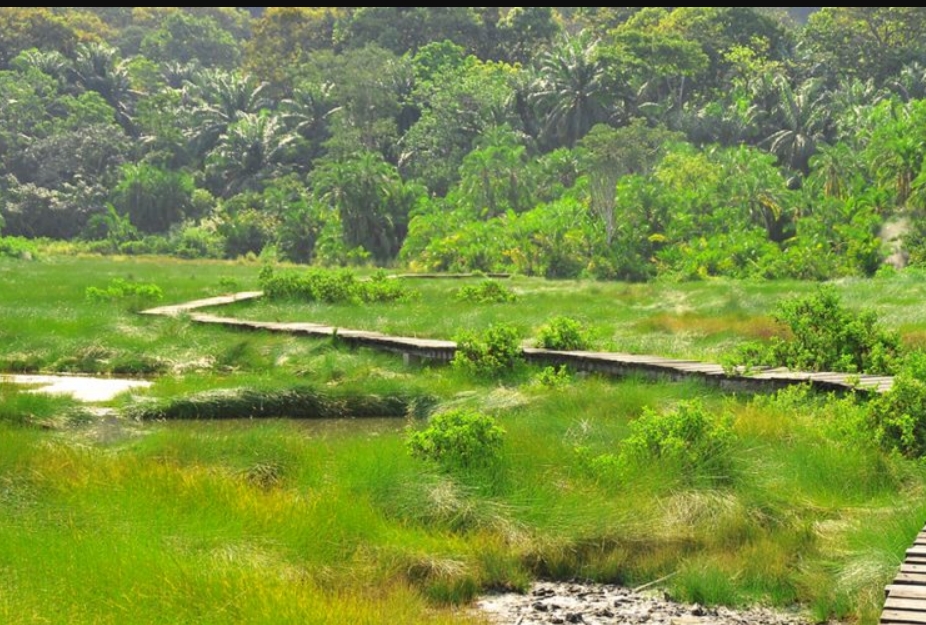
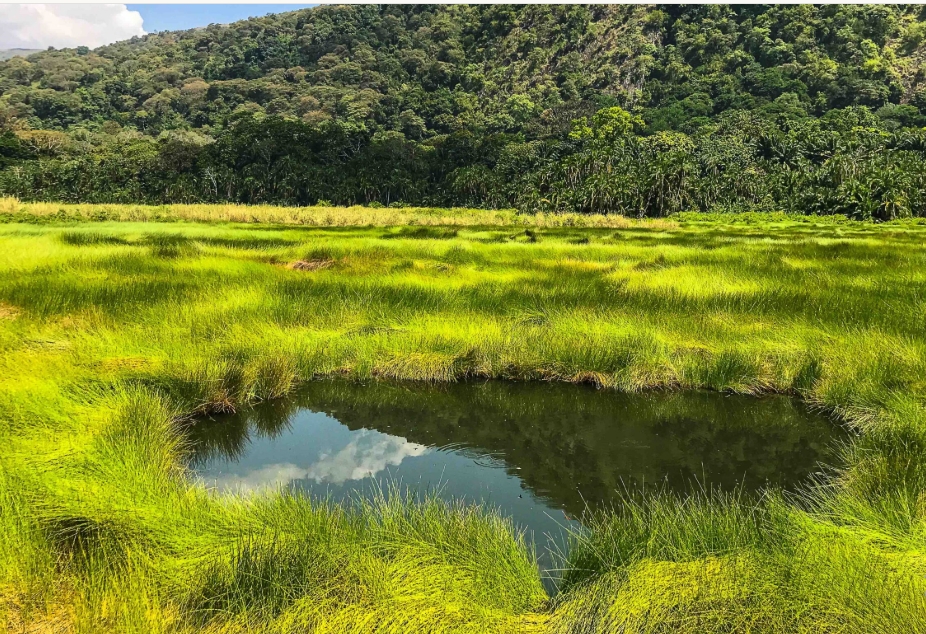
Birding safaris in Akagera National Park are one of the most exciting safaris to enjoy in Rwanda, situated in the eastern region of the country. Akagera National Park is a prime bird watching destination in East Africa, attracting various bird enthusiasts and ornithologists to explore the park’s rich avian life. It’s the largest national park in Rwanda, covering an area of about 1,122 square kilometers, and it was established in 1934. Akagera National Park is blessed with unique natural systems, including swamps, woodlands, lakes, and savannah grasslands that provide habitats to its rich avian life and wildlife species.
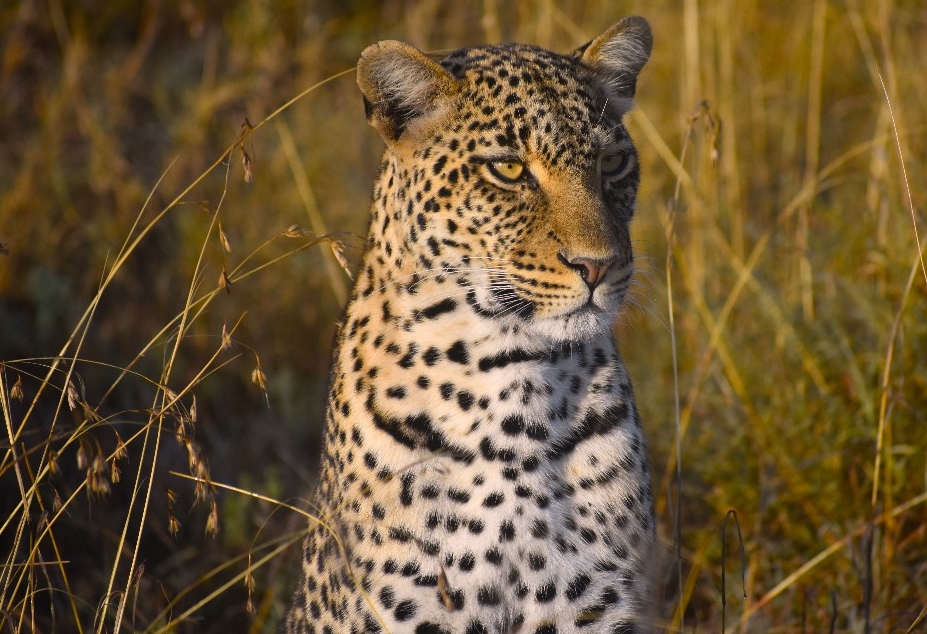
It hosts over 480 bird species, including water birds, migratory birds, acacia dwelling bird species, savannah birds, and the park’s endemic species. The park is not only known for its rich birdlife, but it’s also famous for hosting various wildlife species, over 90 mammal species, including the Big Five mammals, lions, leopards, rhinos, buffalo, and elephants, reptiles, amphibians, and butterflies can be encountered on your birding safari in the park. Bird watching safaris in Akagera National Park are guided safaris led by a knowledgeable park guide who gives more insights about the bird species that you encounter and assists visitors by identifying birds by their calls, sounds, and melodic songs. Birders planning their safari in Rwanda should consider visiting Akagera, as it offers exceptional bird watching experiences.
Birds to see on Birding Safaris in Akagera National Park.
Nature and bird lovers will find the park a haven for birding, with over 480 bird species that reside in the park, making it the best destination in Rwands with the highest number of bird species. The species to encounter on the safari include Secretary bird, Red-faced Barbet, Egyptian Goose, African Pygmy-Goose, Red-billed Duck, Garganey, Blue-billed Teal, Red-winged Francolin, Dusky Turtle-Dove, Speckled Pigeon, Mourning Collared-Dove, White-crested Turaco, Ross’s Turaco, Purple-crested Turaco, Eastern Plantain-eater, Bare-faced Go-away-bird, Osprey, White-faced Whistling-Duck, Fulvous Whistling-Duck, shoe bill stork, Knob-billed Duck, Helmeted Guineafowl, Crested Francolin, Ring-necked Francolin, Shelley’s Francolin, Coqui Francolin, Hildebrandt’s Spurfowl, Blue Quail, Red-necked Spurfowl, Blue-headed Coucal, White-browed Coucal, Black Coucal, Blue Malkoha, Great Spotted Cuckoo, Pied Cuckoo, Thick-billed Cuckoo, Dideric Cuckoo, African Cuckoo, Madagascar Cuckoo, Klaas’s Cuckoo, Swamp Nightjar, Fiery-necked Nightjar, Pennant-winged Nightjar, Fiery-necked Nightjar, African Finfoot, Gray Crowned-Crane, Water Thick-knee, Black-winged Stilt, Black-bellied Plover, Ring-necked Dove, Emerald-spotted Wood-Dove, Blue-spotted Wood-Dove, Laughing Dove, Tambourine Dove, Red-eyed Dove, African Green-Pigeon, Denham’s Bustard, Black-bellied Bustard.
Others to encounter on Birding safaris in Akagera National Park, include Freckled Nightjar, Common Swift, African Swift, Mottled Swift, Alpine Swift, Horus Swift, African Swamphen Wood Sandpiper, Marsh Sandpiper, Green Sandpiper, Curlew Sandpiper, Common Greenshank, Ruff, Black-rumped Buttonquail, Small Buttonquail, Bronze-winged Courser, Temminck’s Courser, Collared Pratincole, Black-winged Pratincole, Lesser Black-backed Gull, Gray-hooded Gull, White-winged Tern, African Skimmer, Little Grebe, Saddle-billed Stork, African Darter, Pink-backed Pelican, Bateleur, Common Ringed Plover, Senegal Lapwing, Brown-chested Lapwing, Spur-winged Lapwing, Greater Painted-Snipe, Lesser Jacana, African Jacana, Bar-tailed Godwit, Common Sandpiper, Common Snipe, African Snipe, Hooded Vulture, Lappet-faced Vulture, European Honey-buzzard, Palm-nut Vulture, Western Banded Snake-Eagle, Bat Hawk, Martial Eagle, Dark Chanting-Goshawk, Booted Eagle, African Harrier-Hawk, Western Barn Owl, Verreaux’s Eagle-Owl, African Barred Owlet, Spotted Eagle-Owl, Marsh Owl, Speckled Mouse bird, Narina Trogon, Common Hoopoe, Green Woodhoopoe, Red-headed Weaver, African Gray Hornbill, White-throated Bee-eater, European Bee-eater, Little Bee-eater, among others.
Best Time for Birdwatching Safaris in the Park.
Birding safaris in Akagera National Park can be done year-round, and the best time depends on an individual’s preferences. The park receives two seasons, the wet season and the dry season, both of which provide memorable birding experiences. The wet season is the most liked period by bird enthusiasts, it runs from October to November and March to May. During this period, the park receives enough rainfall, plant and tree species bear fruits which provide abundant food for the birds. This attracts various bird species, including the migratory birds that travel from Europe in search of food. This is a breeding season for most birds in the park, which makes it easy to spot them. However, bird lovers should be aware that the park is always muddy in this period. Bird lovers can also enjoy birding during the dry season, which runs from June to September and December to February. There is little to no rainfall in this season; the park is dry, making it easy to penetrate.